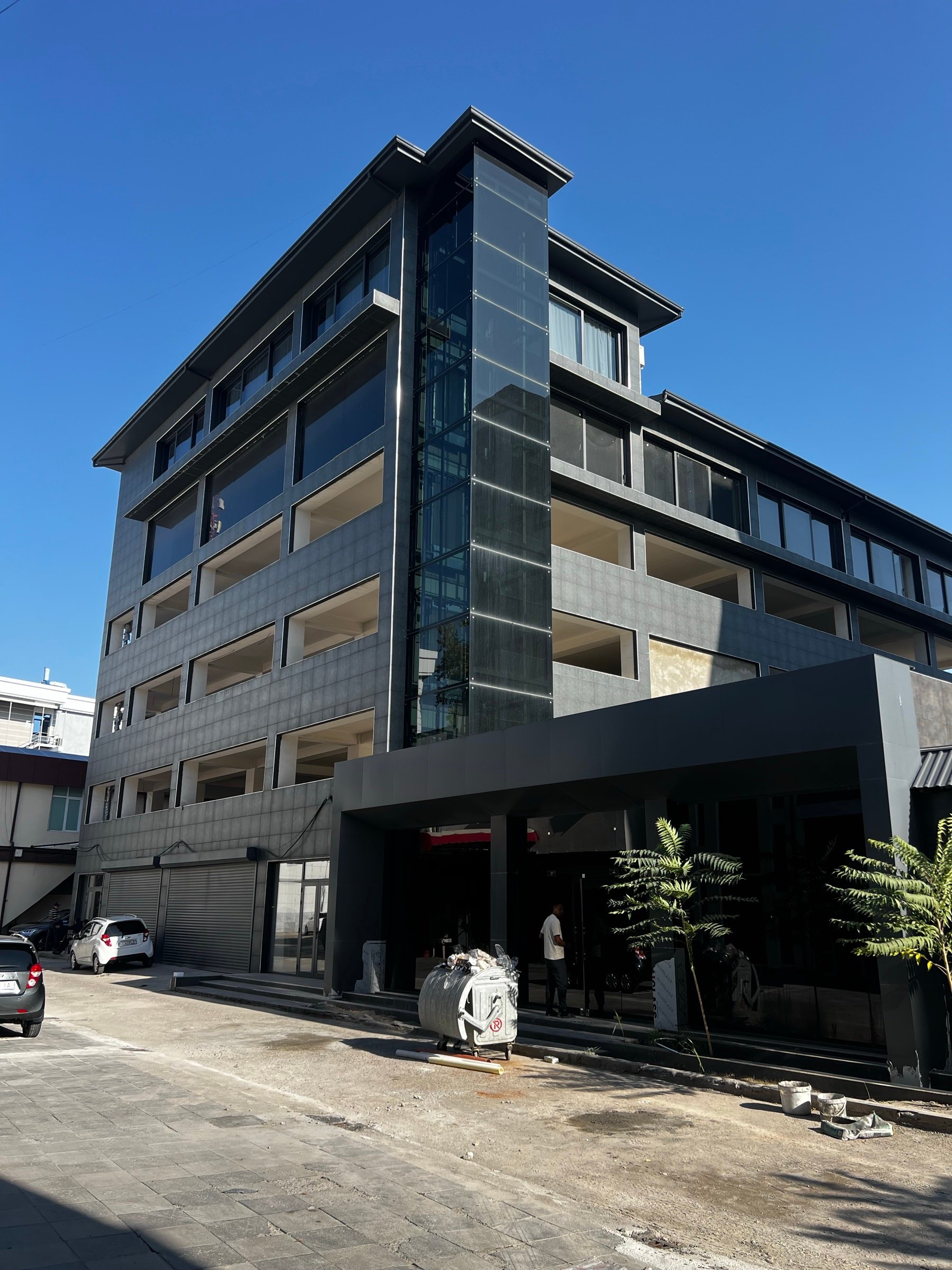
Commercial real estate#000676
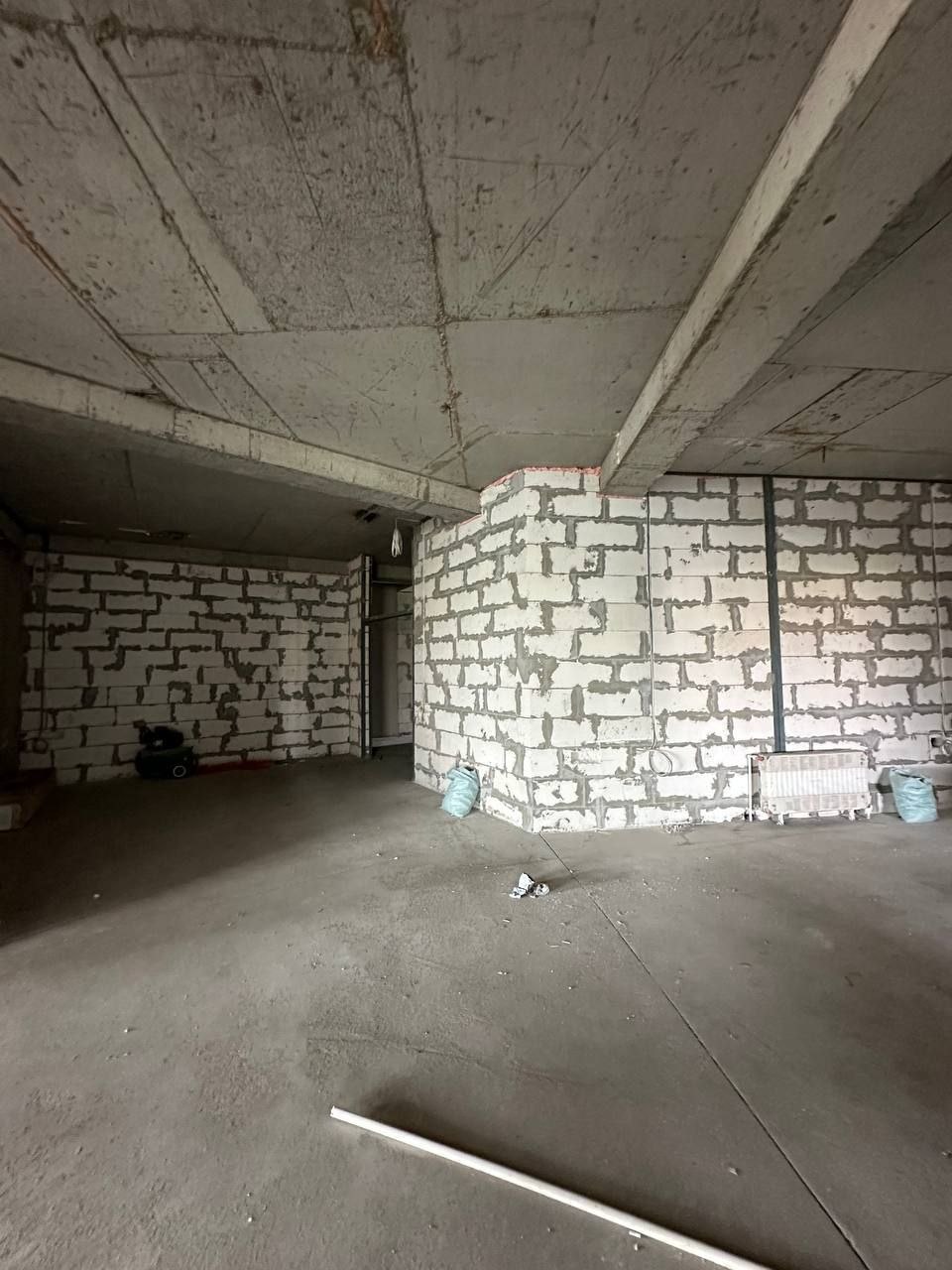
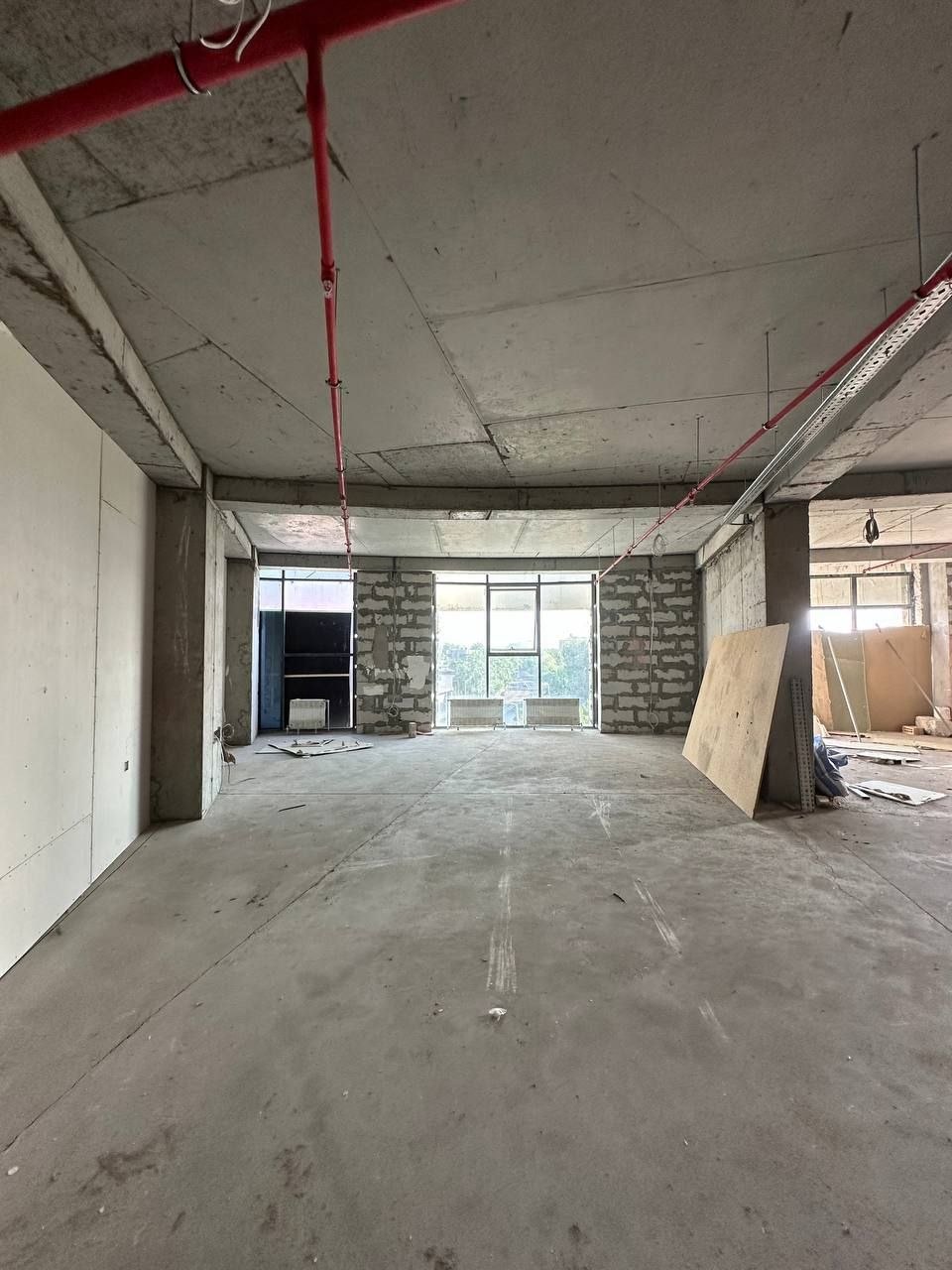
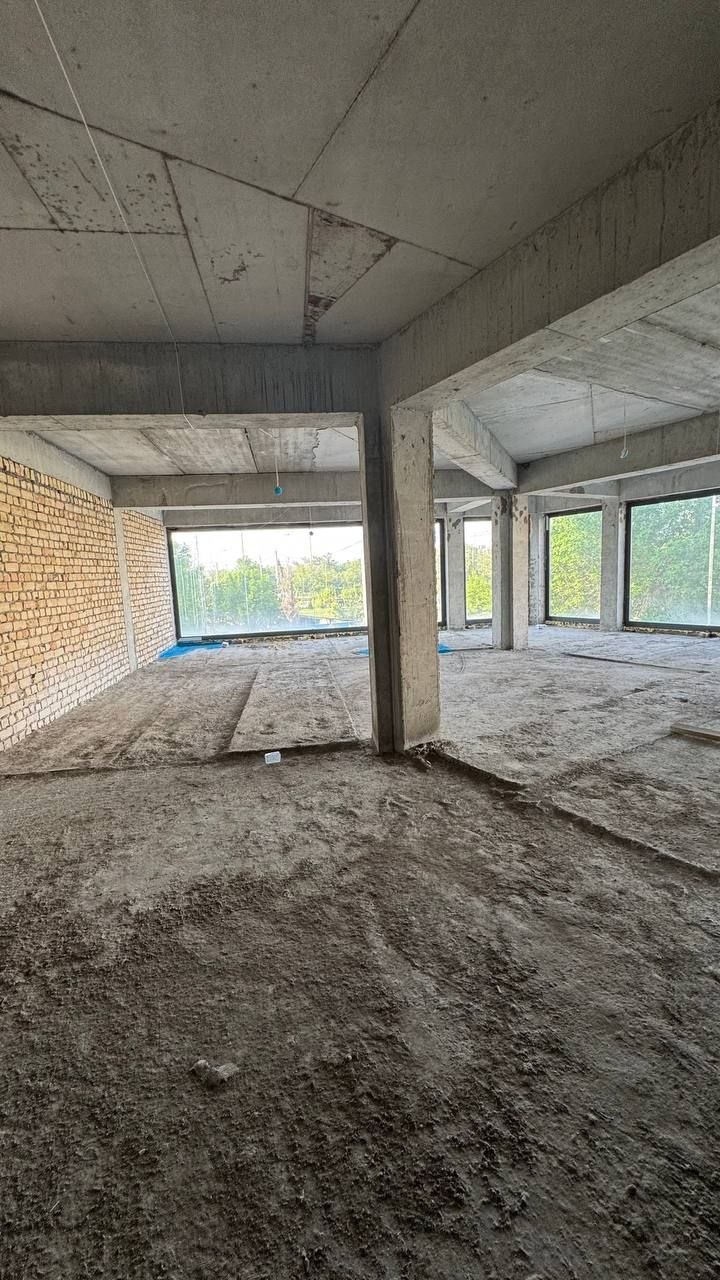
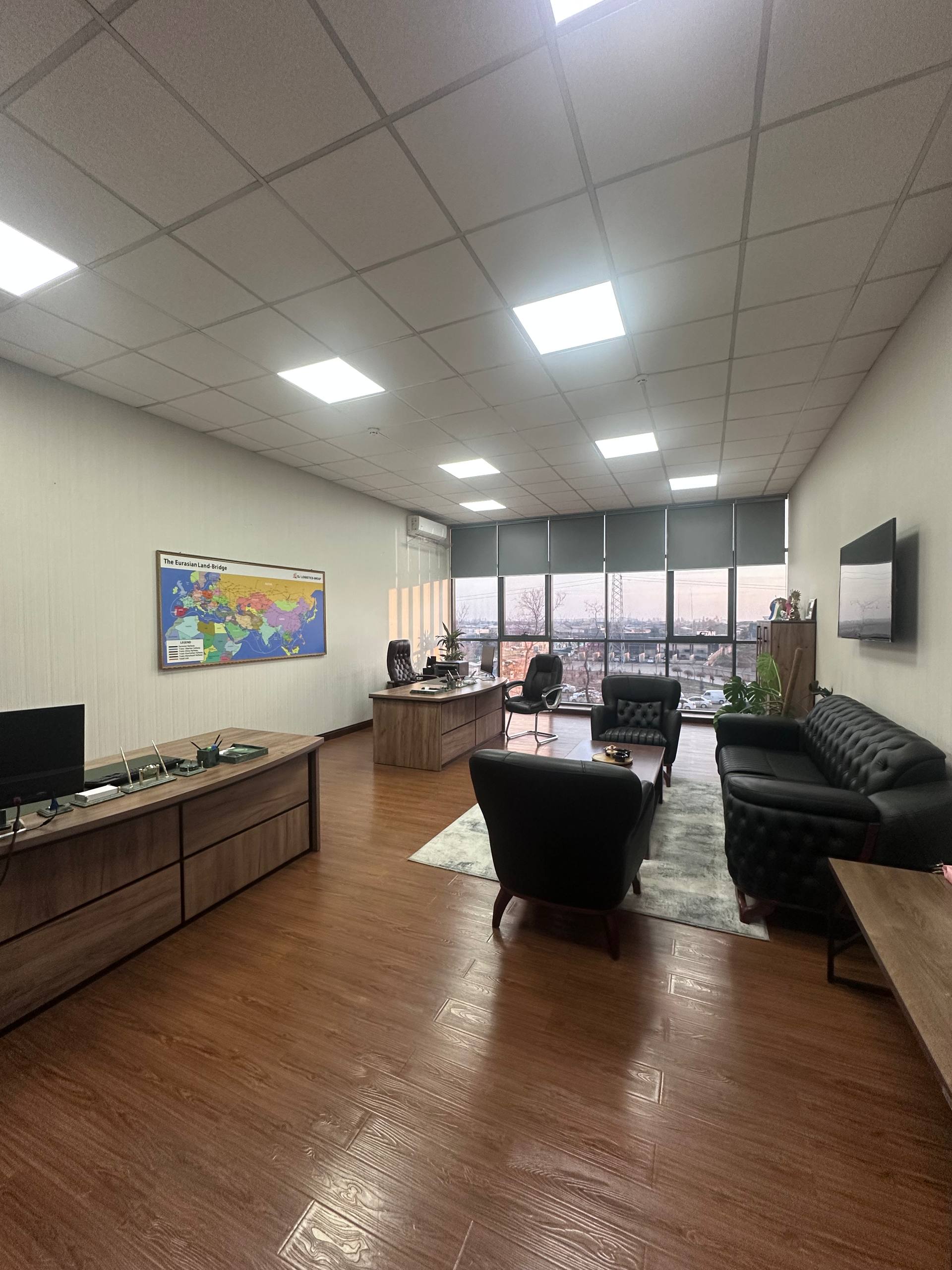
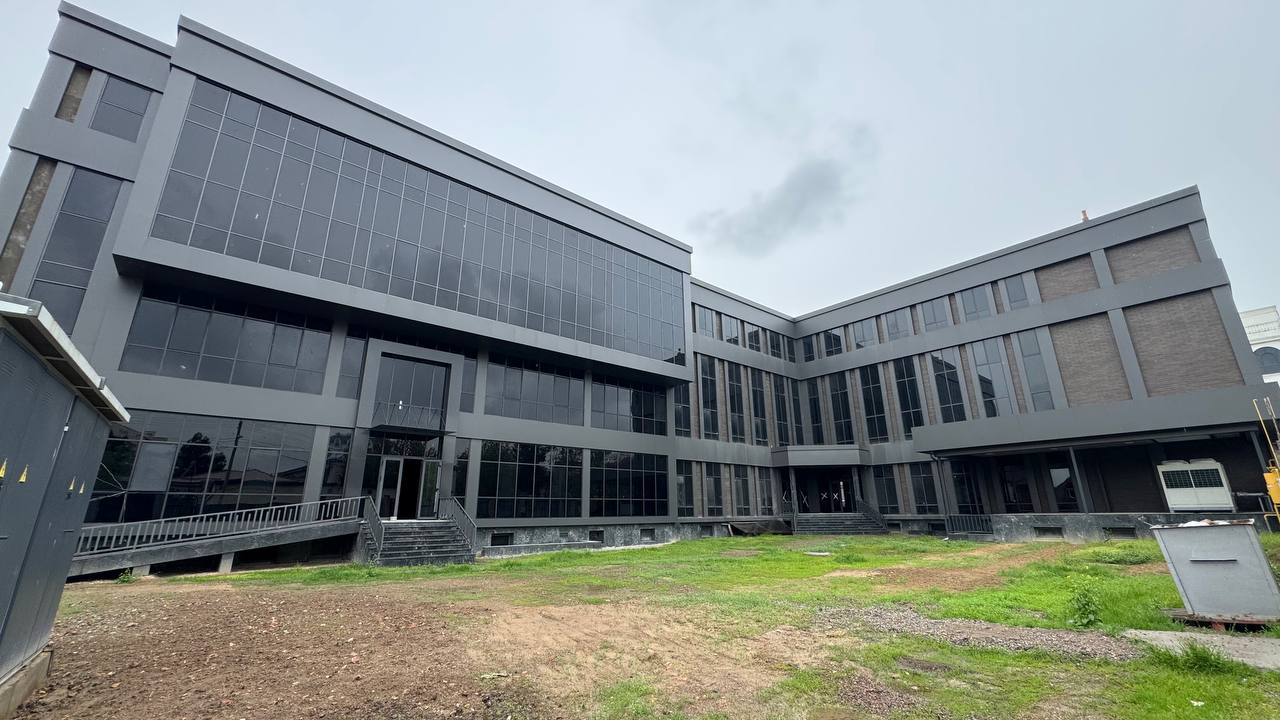
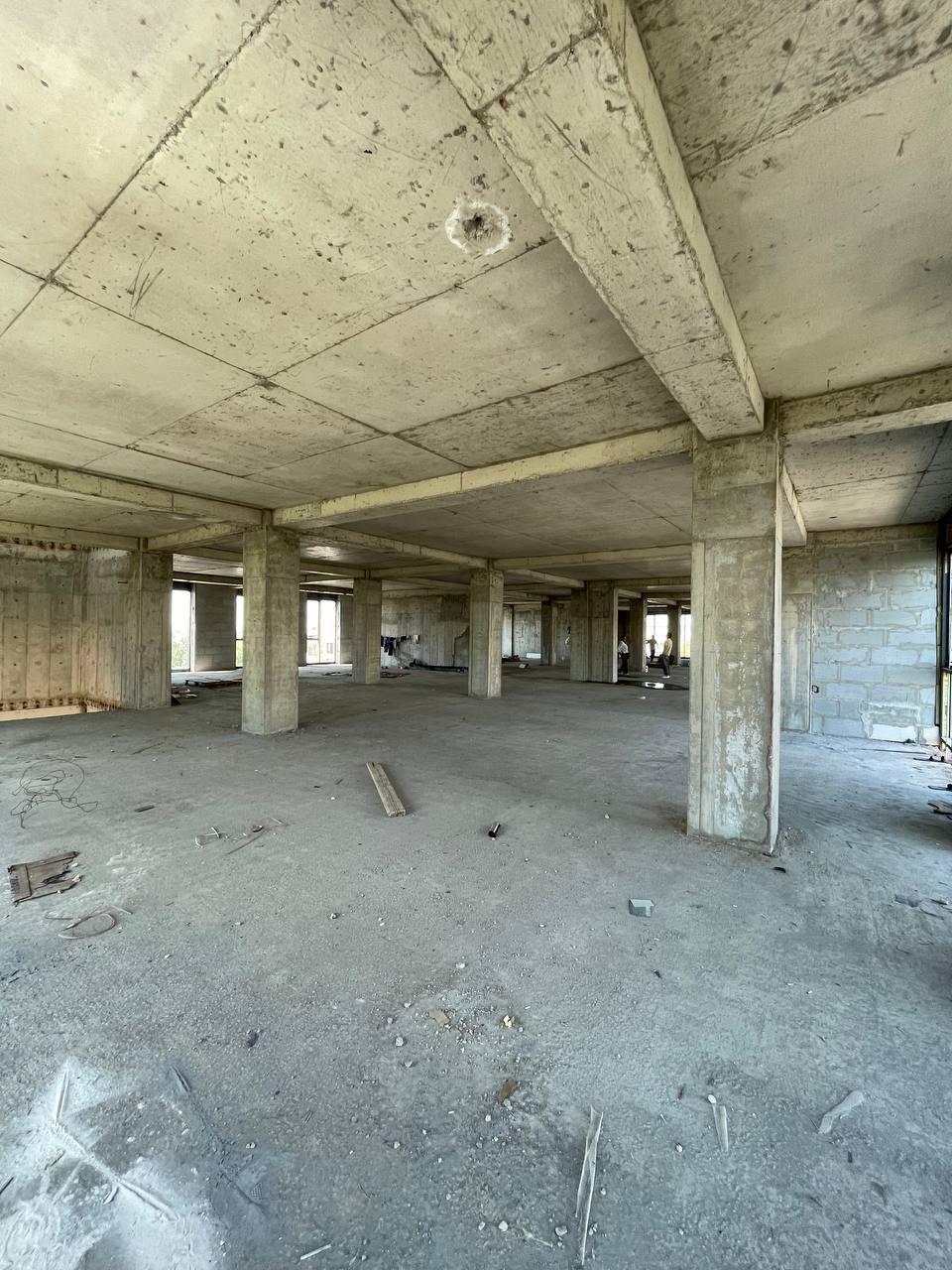
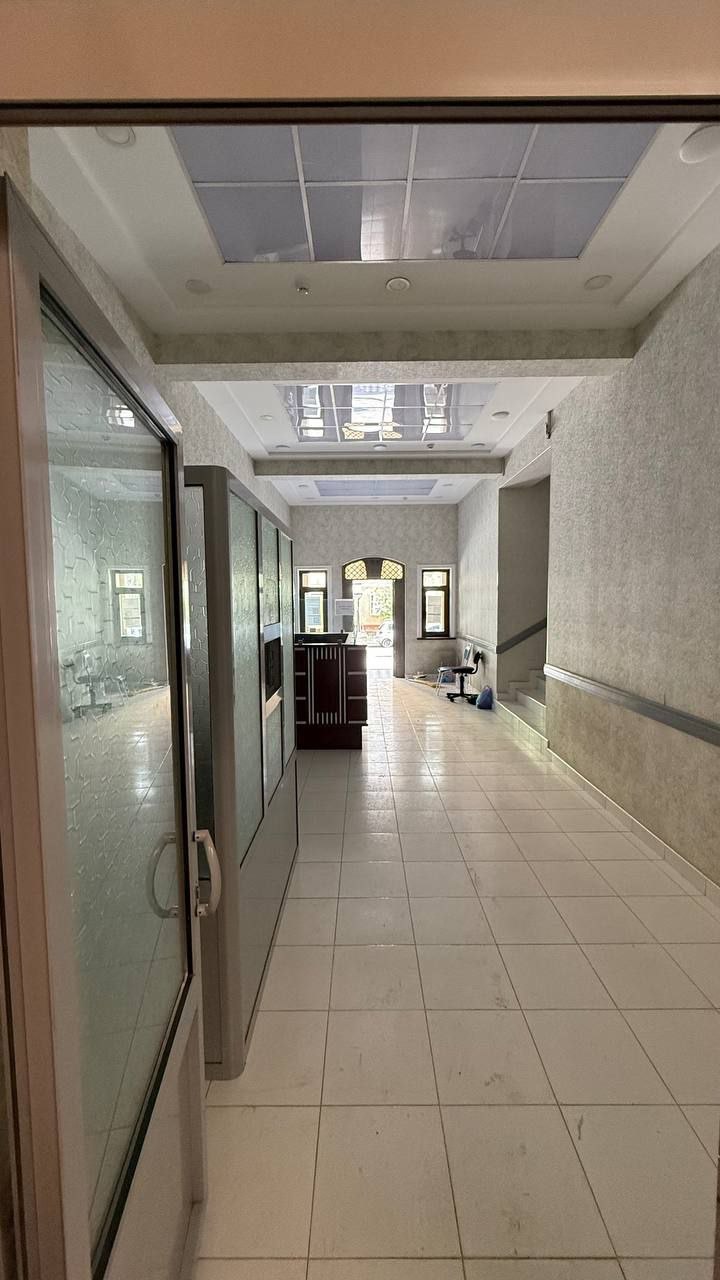
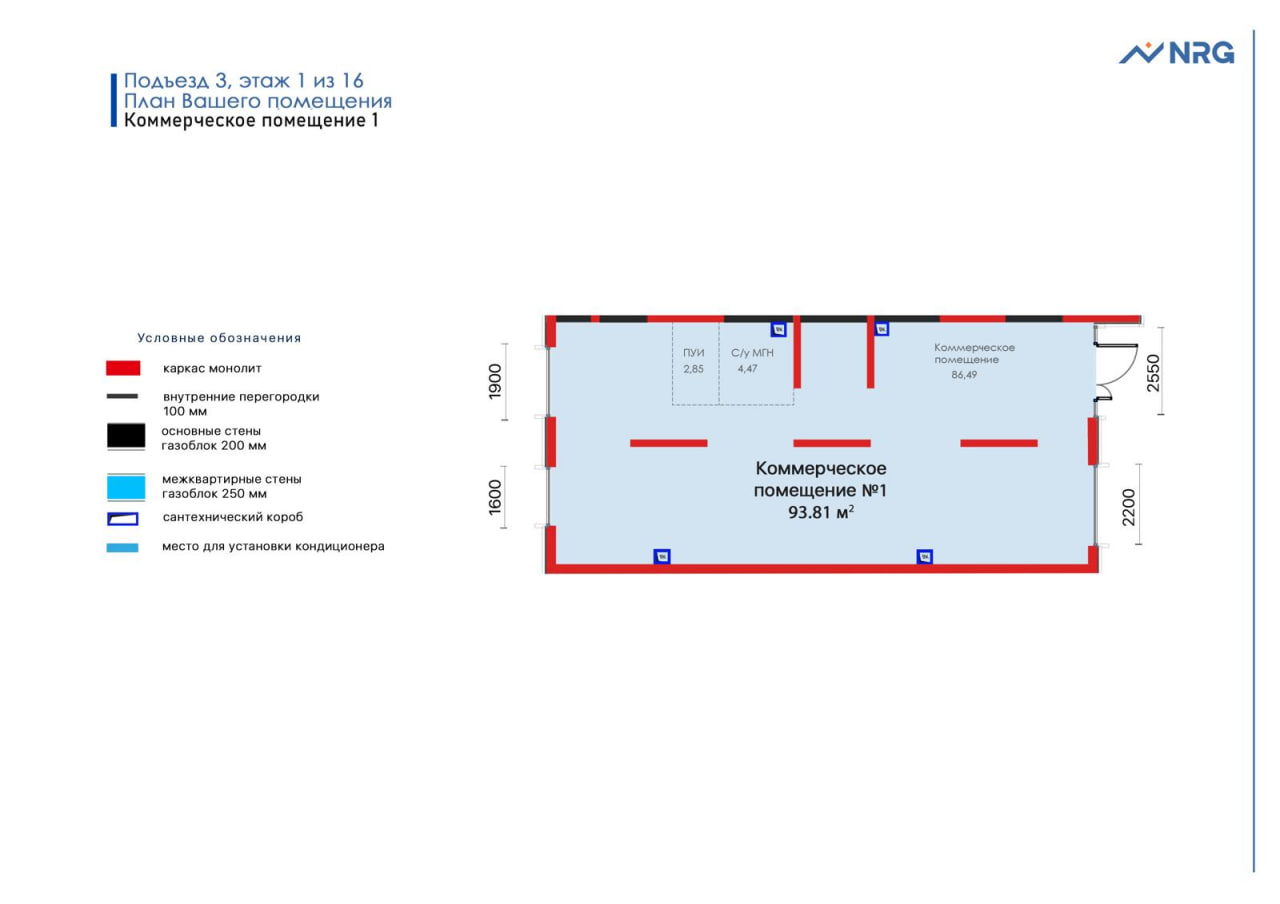
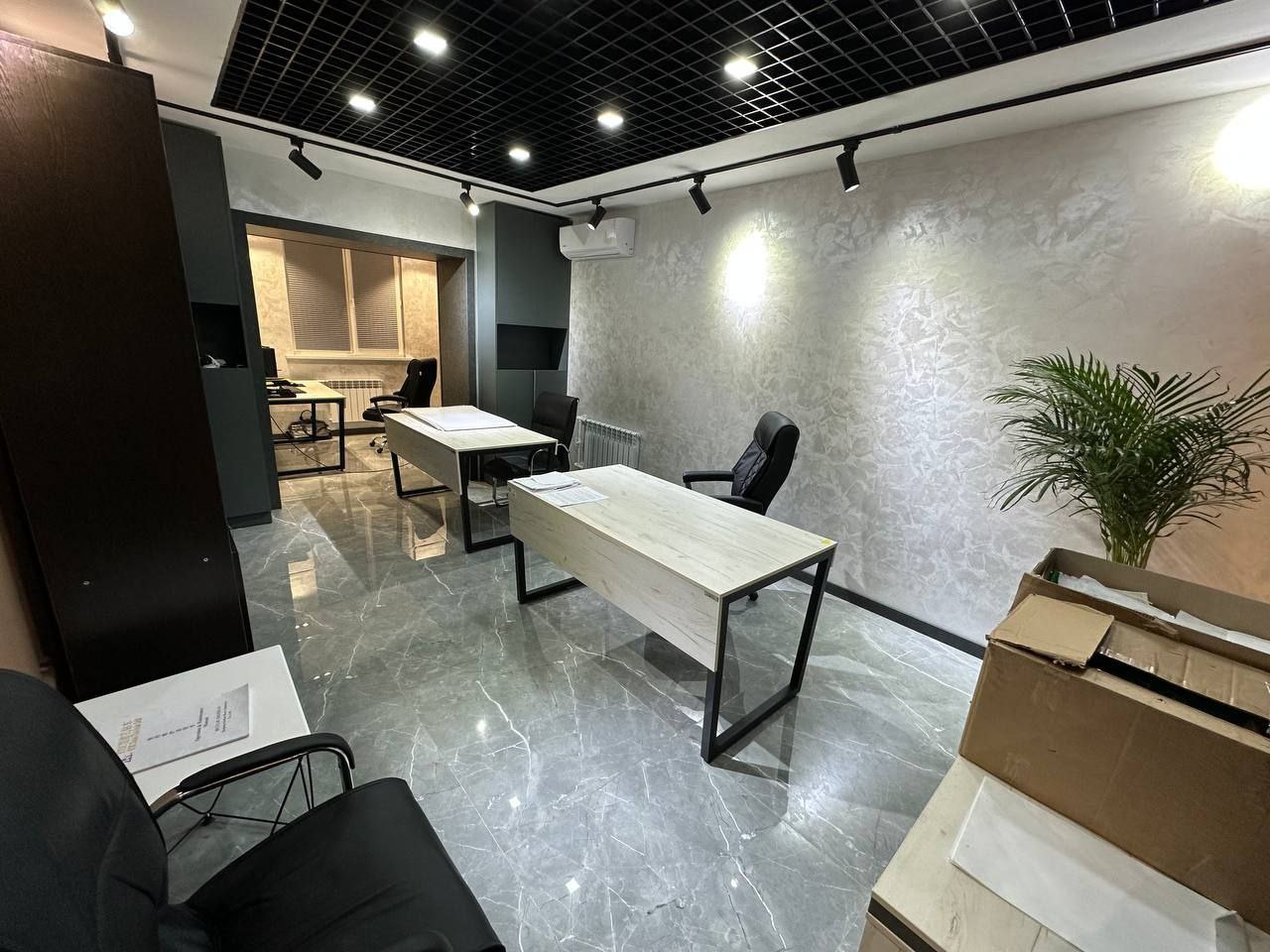
Commercial real estate — Mirzo Ulugbek district
2 200 000 conventional units
We work from 10:00 to 20:00.
71-200-01-16Deal type
Expert article
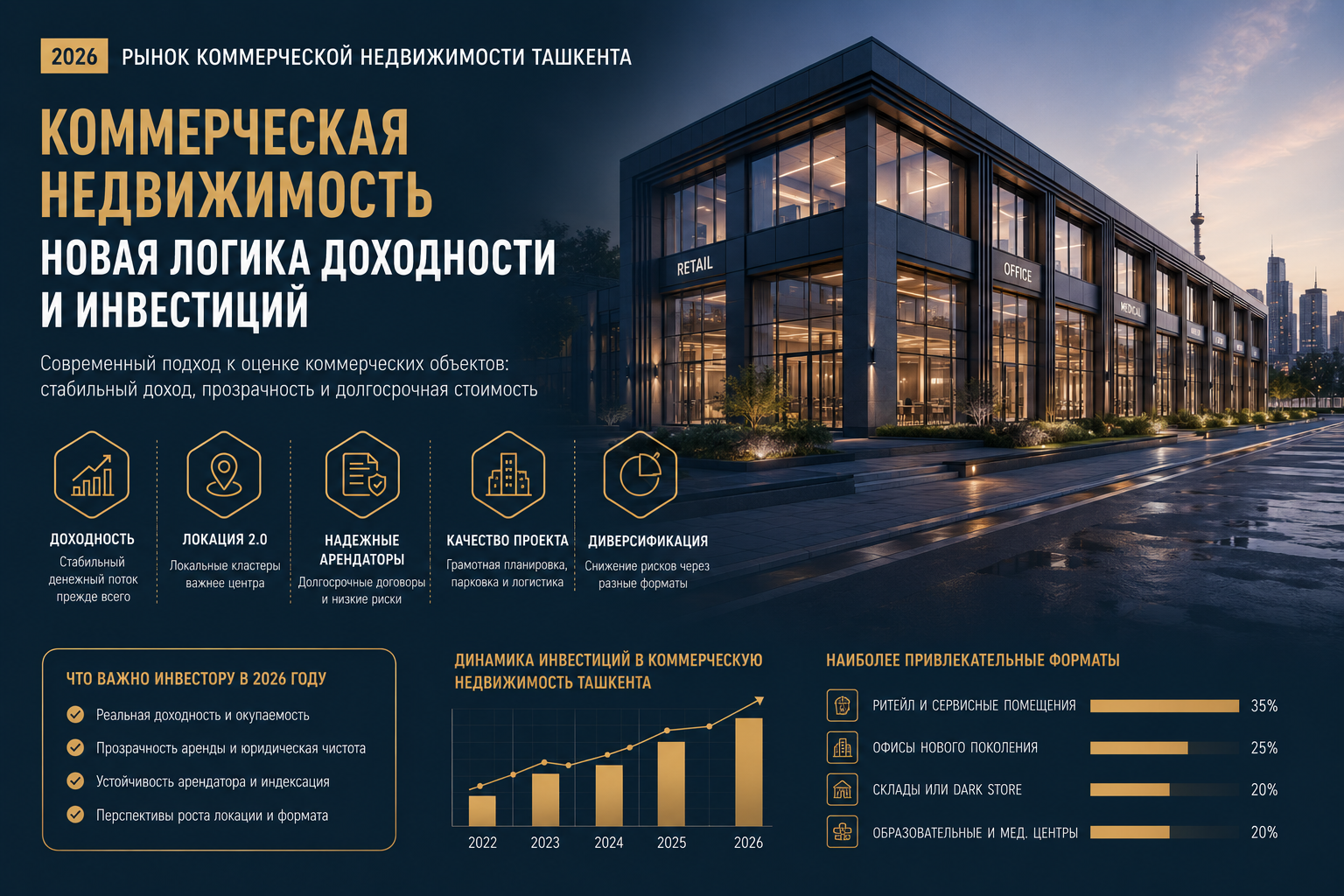
Why the traditional commerce model is outdated The classic formula: first line high pedestrian traffic universal use no longer guarantees success. Today, you can see situations where: first-line premises sit vacant tenants change frequently yields are unstable The reason is a shift in business and consumer behavior. 1. Cash flow matters more than location A modern investor in commercial real estate in Tashkent analyzes not so much “where the property is located,” but rather: who the tenant is on what terms the lease is signed whether there is indexation how resilient the tenant’s business is A property with a long-term contract and a stable tenant often costs more than a unit in a “stronger” location without a tenant. 2. Specialization instead of universality Universal premises are gradually losing liquidity. They are being replaced by specialized formats: premises for medical centers dark store (warehouses for online delivery) educational spaces new-type offices (flexible, compact) Such assets are harder to repurpose, but they provide more stable income. 3. Yield as the main KPI If previously buying commercial property was perceived as “capital preservation,” now the key metric is yield. Investors assess: actual rental rate vacancy operating/maintenance costs payback period The market’s average benchmark is shifting toward systematic calculation rather than intuitive decisions. 4. Local clusters instead of the city center Tashkent’s center is no longer the only point of attraction. New commercial zones are forming: within residential complexes in densely populated bedroom districts near transport hubs Business goes where there is a stable flow of the target audience, not just “prestige.” 5. The developer’s role in commercial real estate Project quality has become a critical factor: competent subdivision of areas proper tenant placement availability of parking well-thought-out flow logistics A strong developer can create a commercial ecosystem where tenants reinforce each other, increasing the asset’s overall yield. 6. The asset’s risk profile: a new investor approach In 2026, commercial real estate is evaluated through risks: dependence on a single tenant industry risks (e.g., decline of offline retail) legal transparency flexibility of use The lower the risk, the higher the property value and the lower the required yield. How the commercial investment strategy has changed The modern investor in Tashkent: chooses cash flow, not premises analyzes the tenant’s business prefers long-term leases assesses the property as a financial asset This leads to the market becoming more professional and analytical. Conclusion Tashkent’s commercial real estate in 2026 is a market of structured investments, not spontaneous purchases. The winners are not the most “visible” properties, but those that: generate stable income have a clear management model are embedded in the right urban context These are the assets that build long-term capitalization and become the foundation of investment portfolios.
Featured listings
Commercial real estate — Mirzo Ulugbek district
2 200 000 conventional units
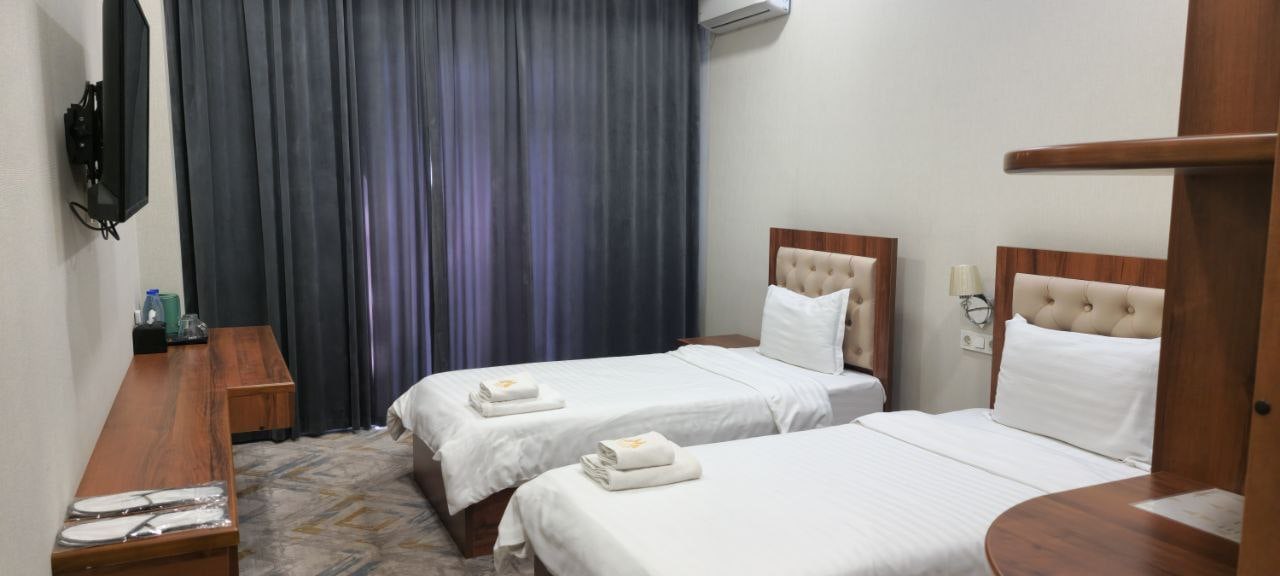
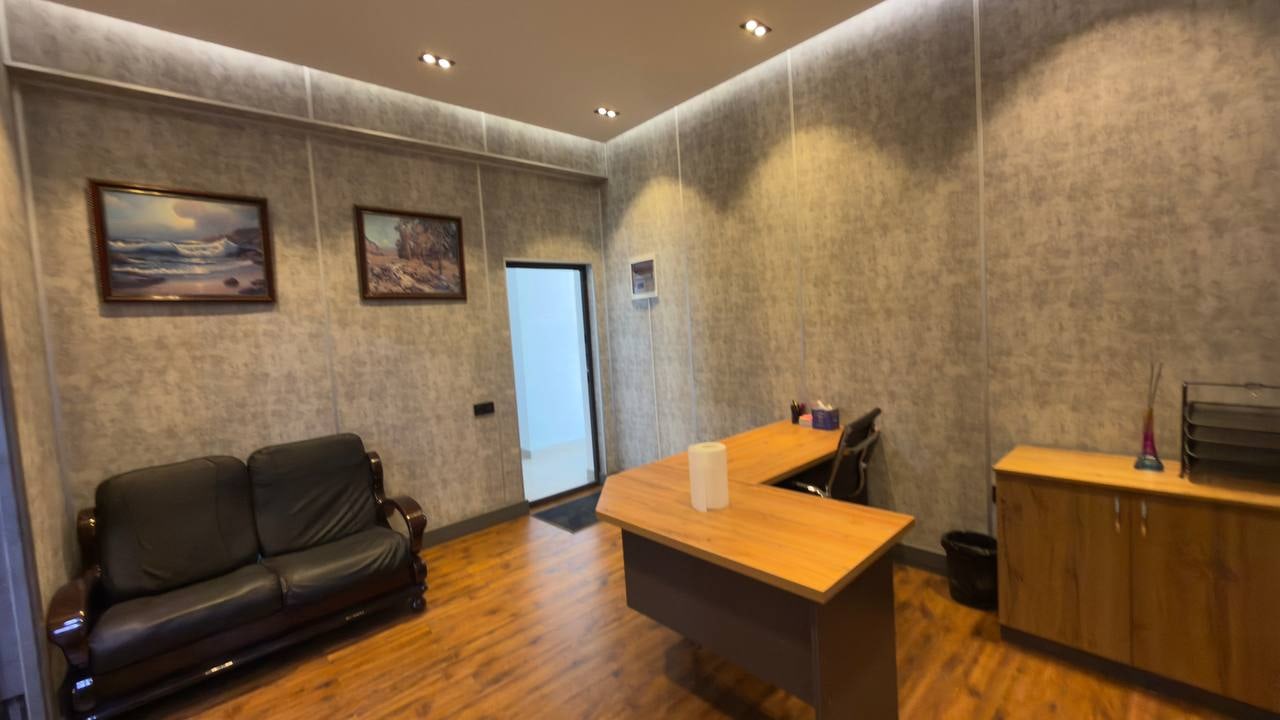
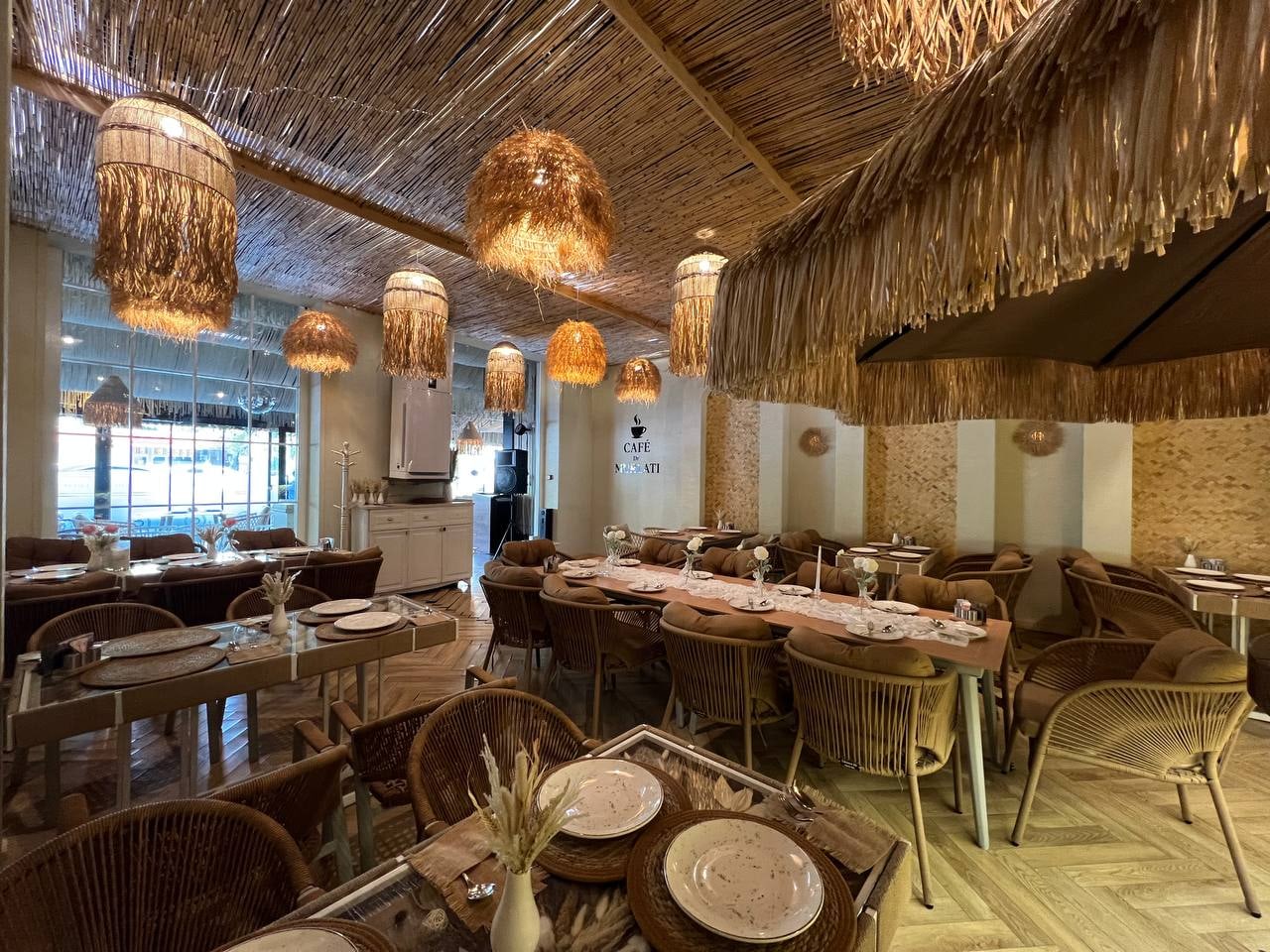
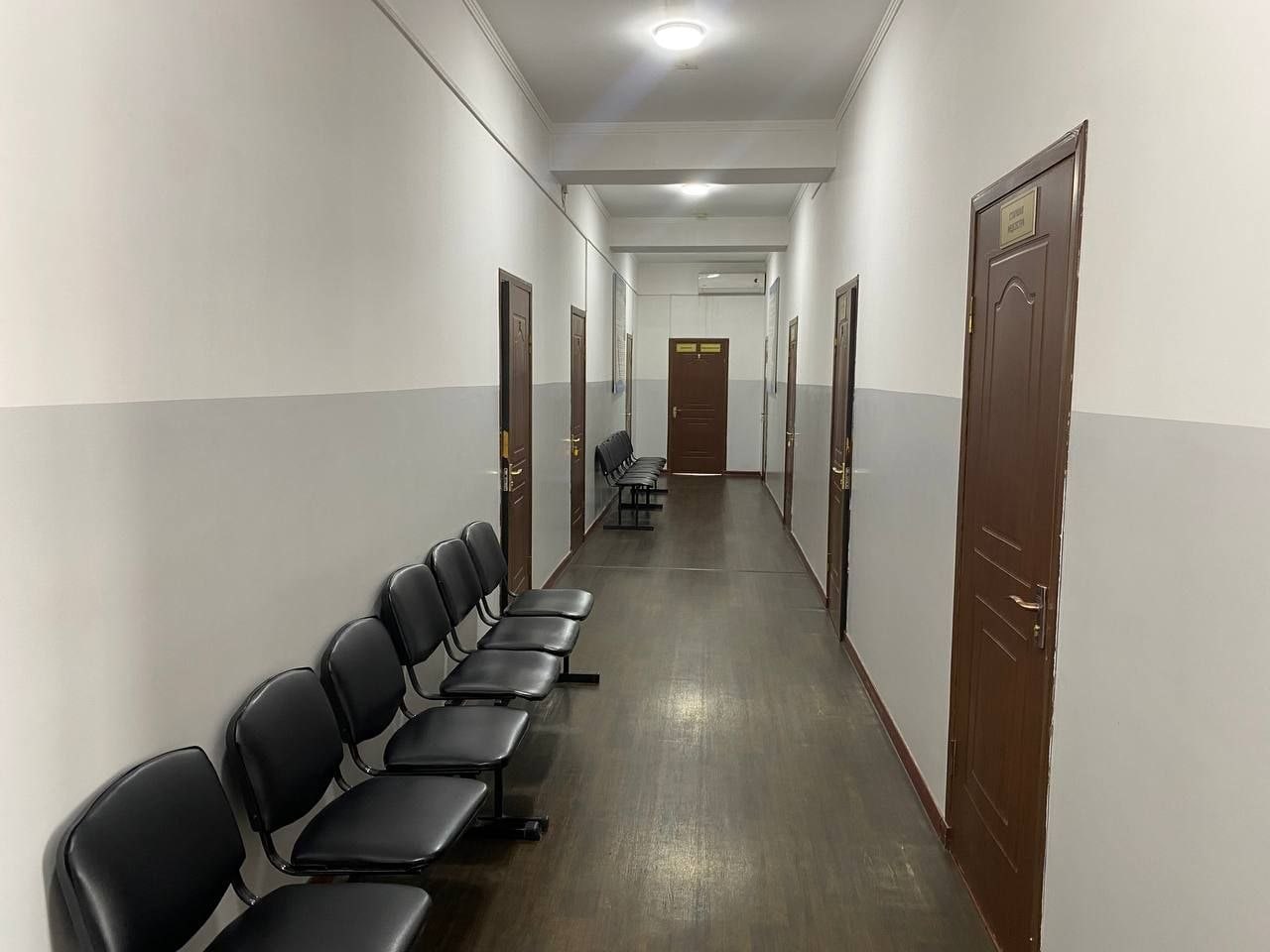
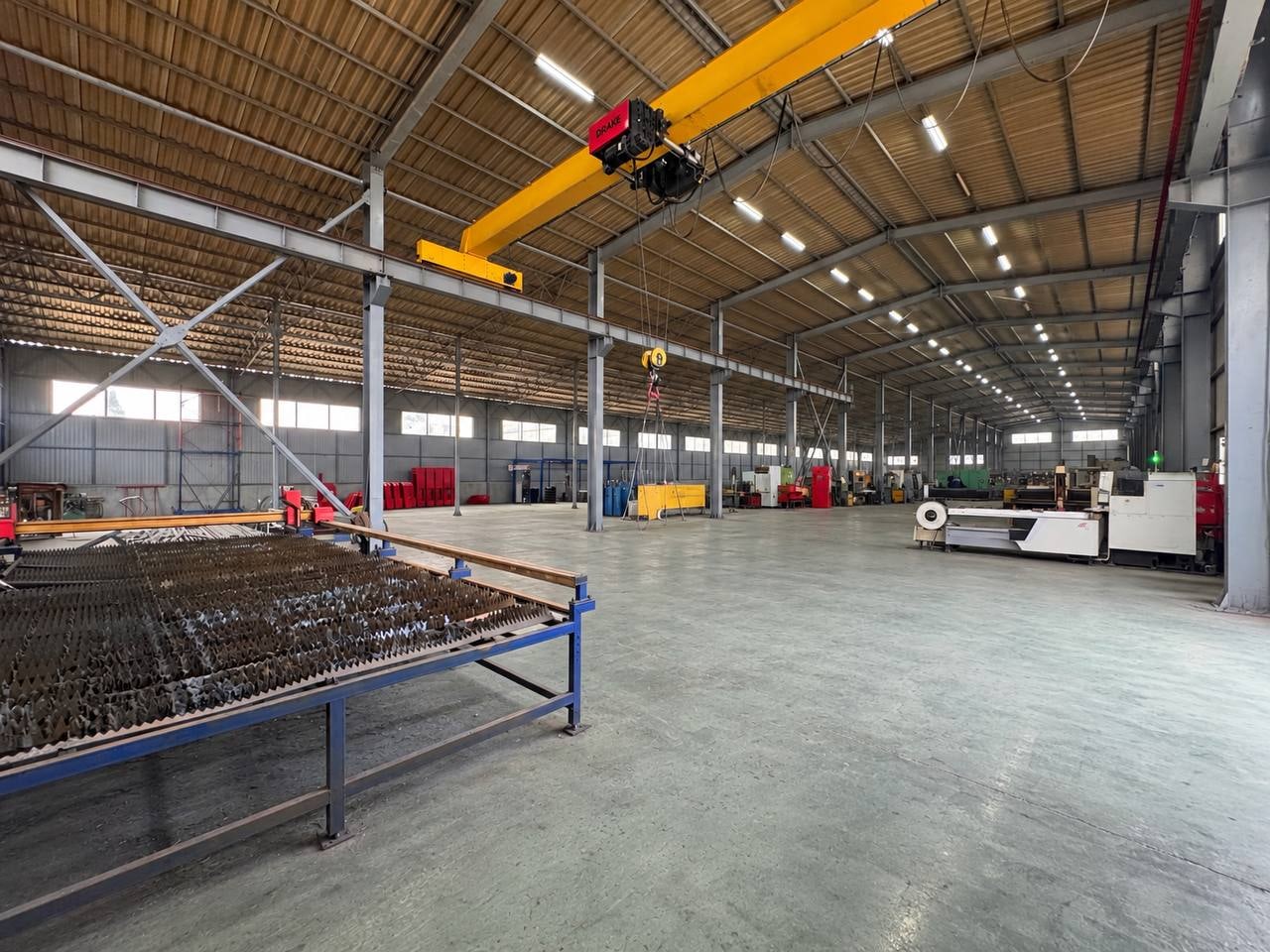
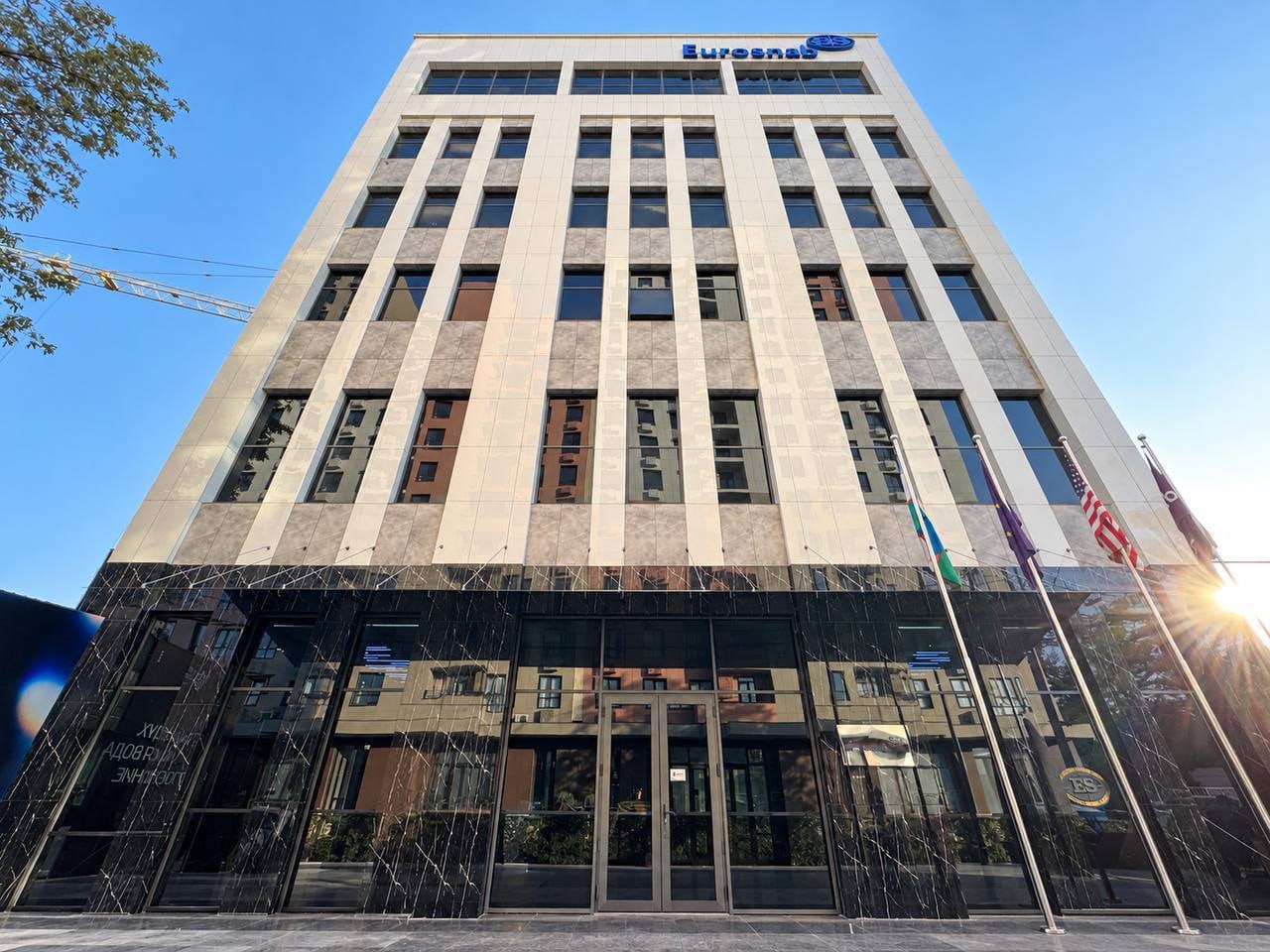
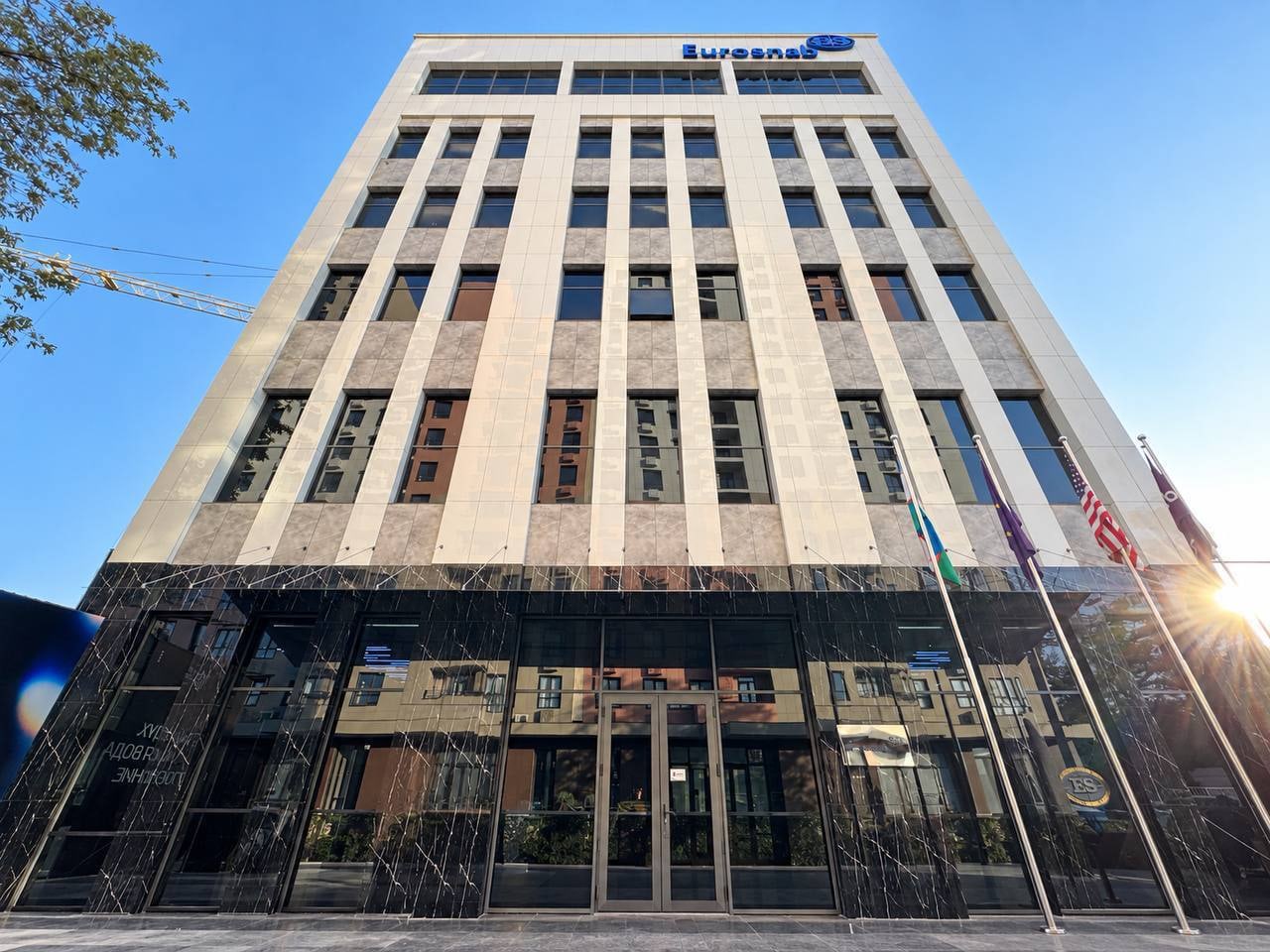
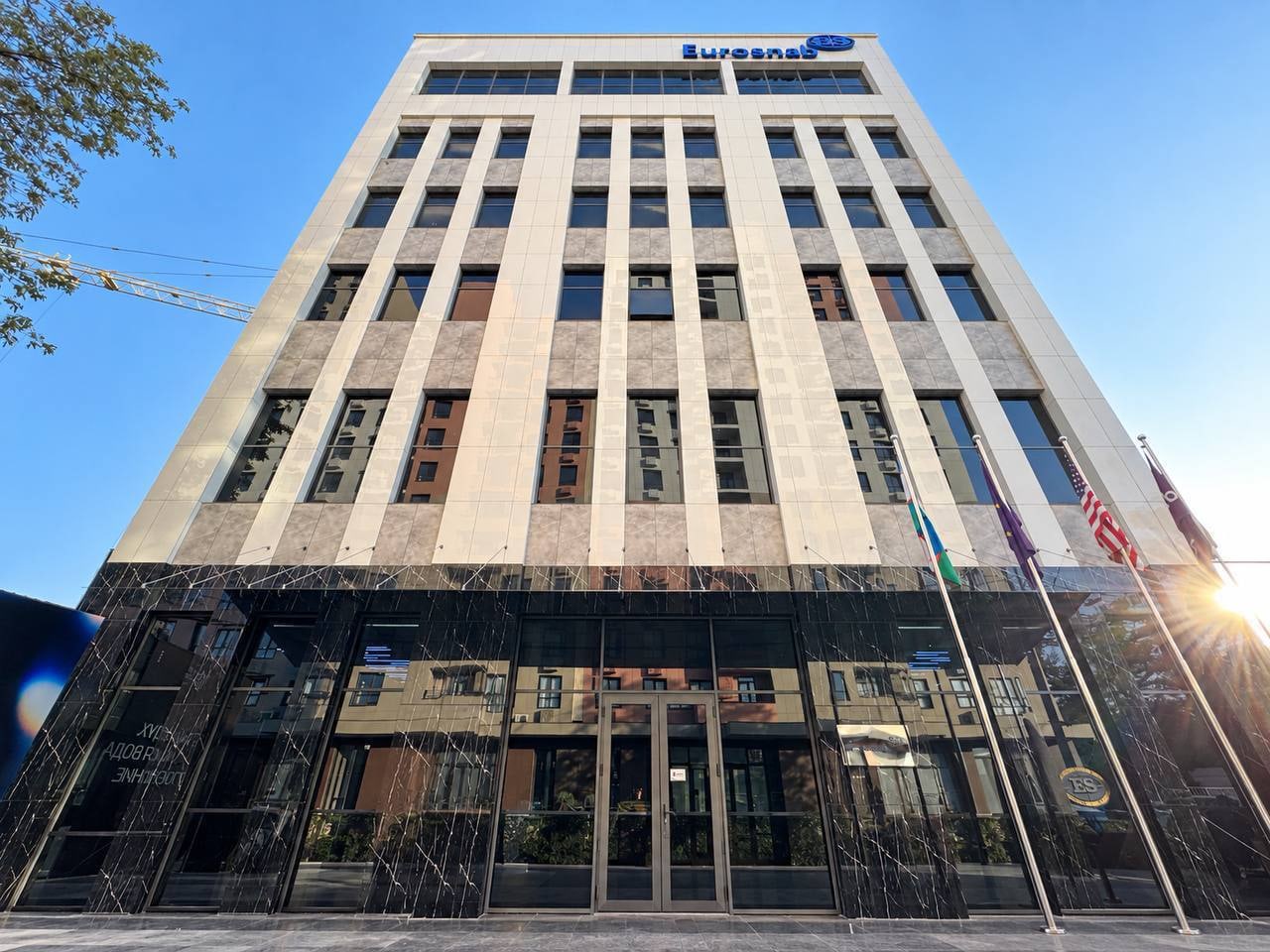
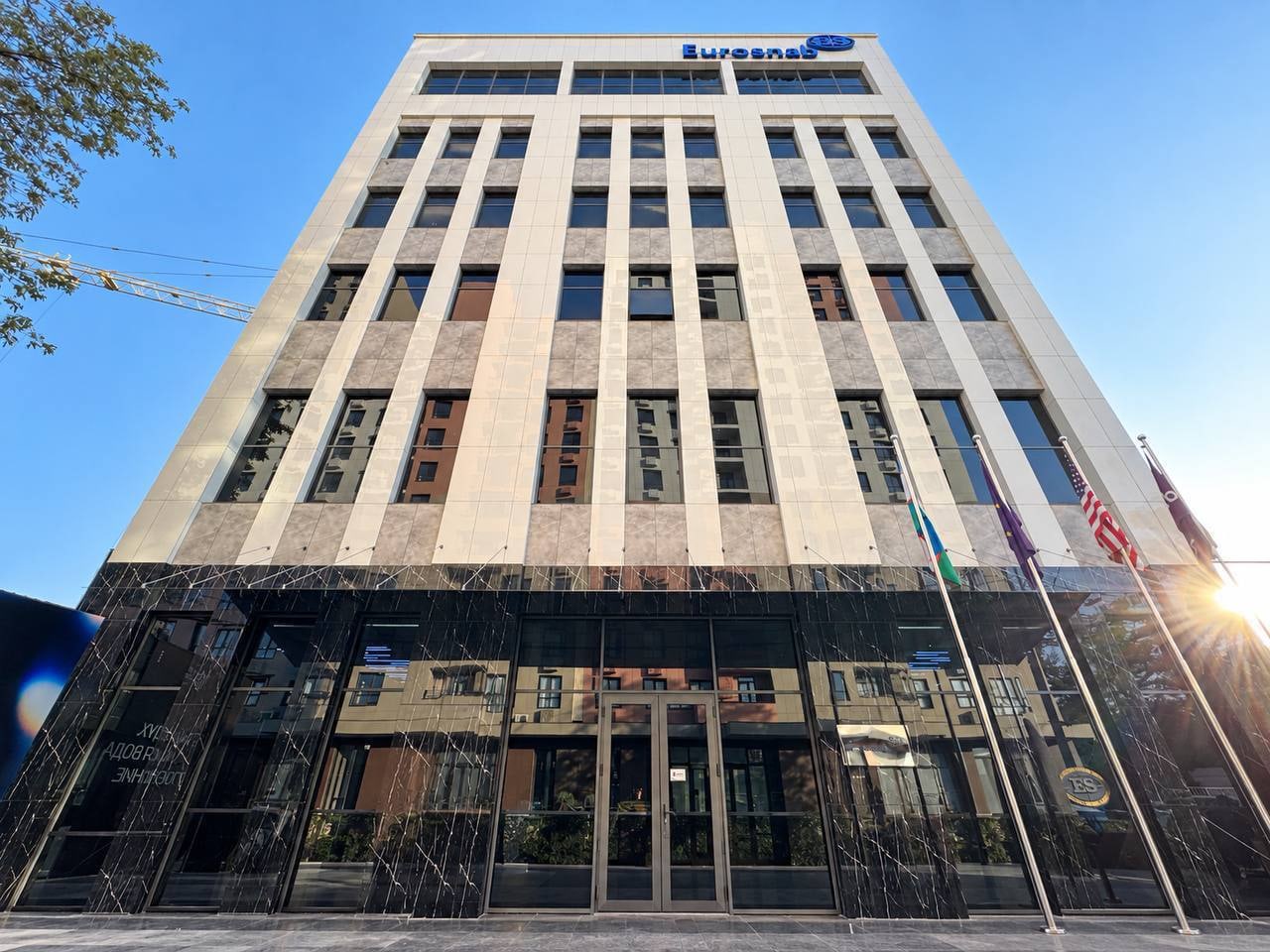
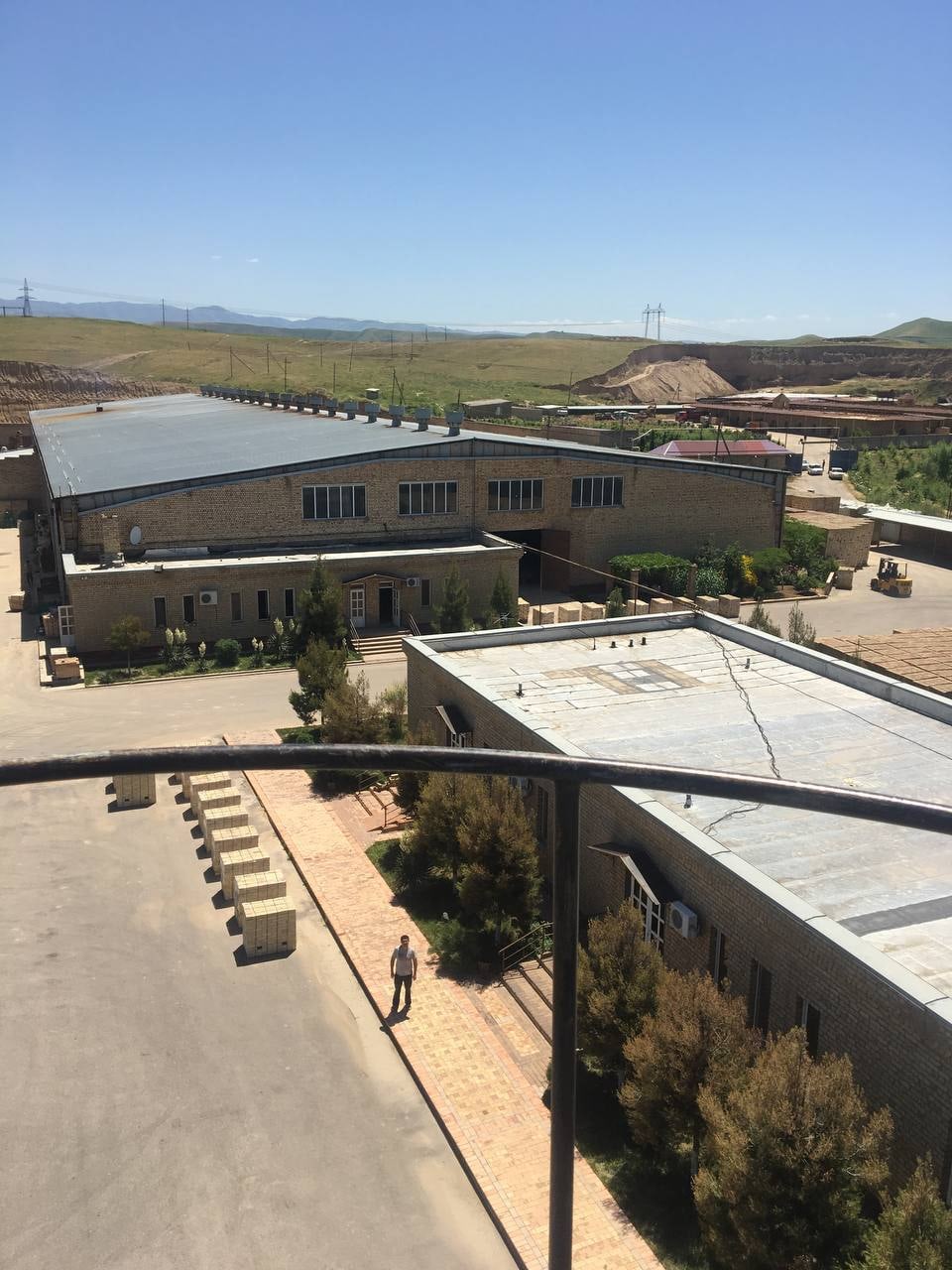
Commercial real estate — Yukorichirchiq district
2 500 000 conventional units
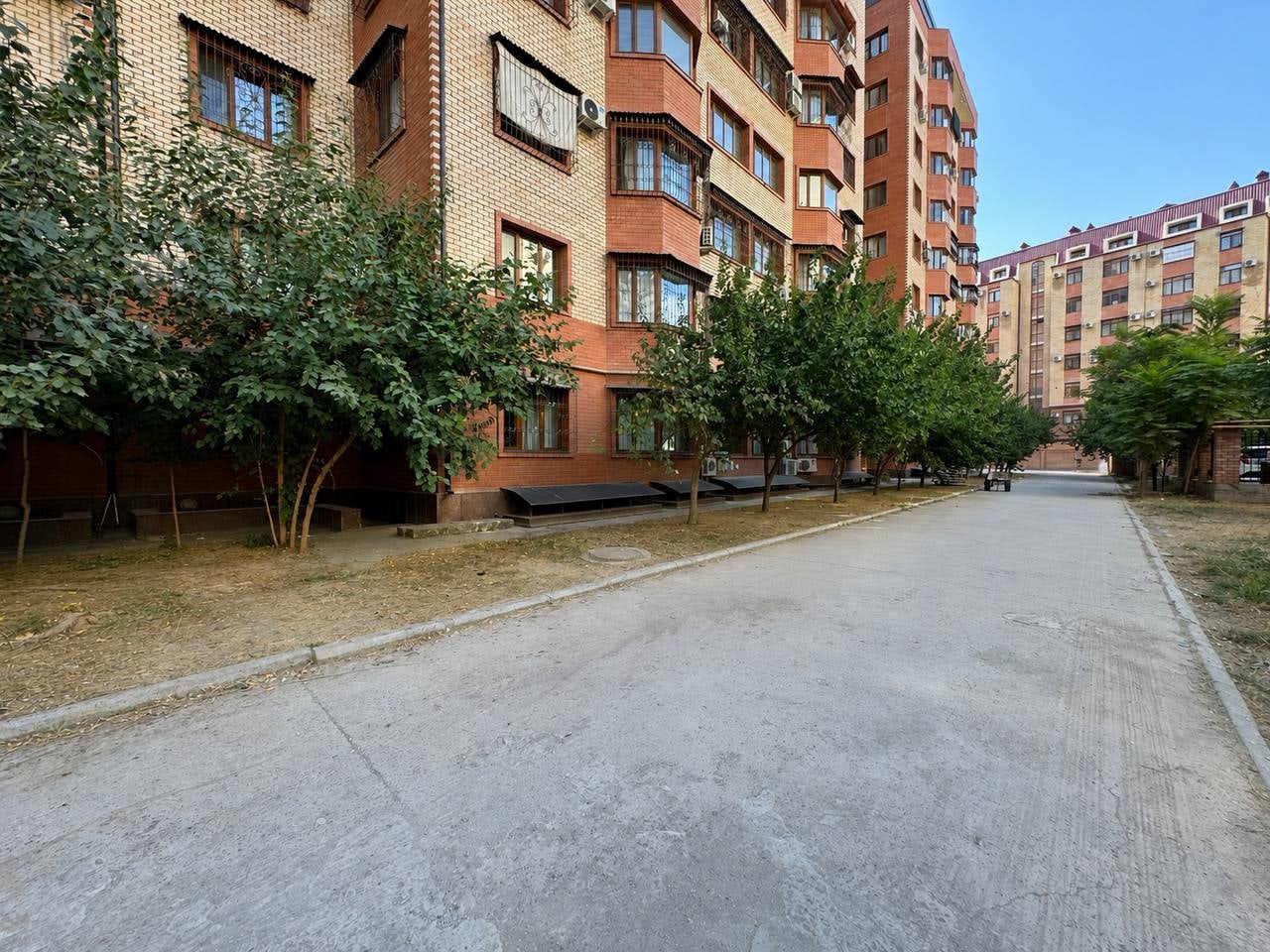
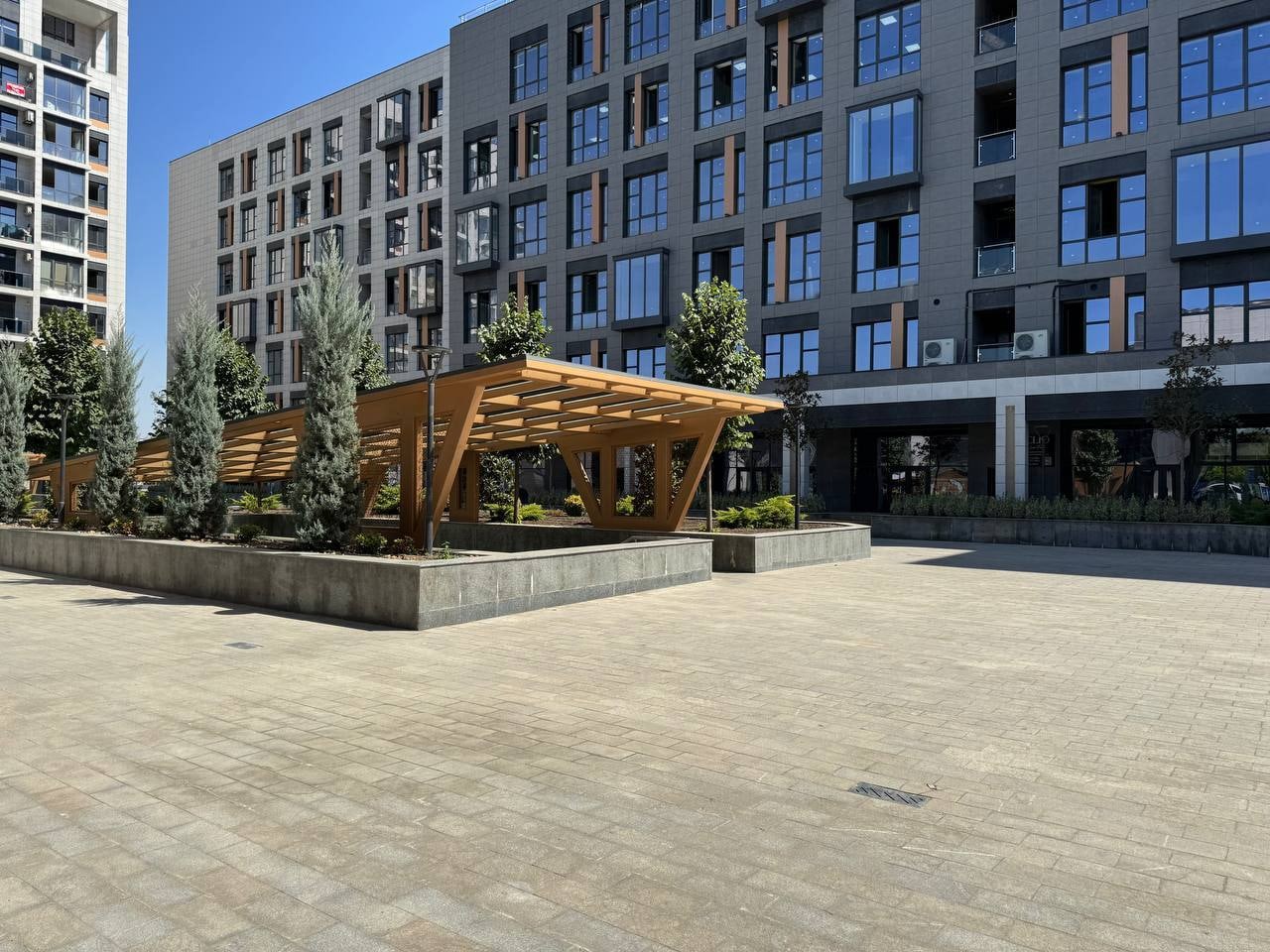
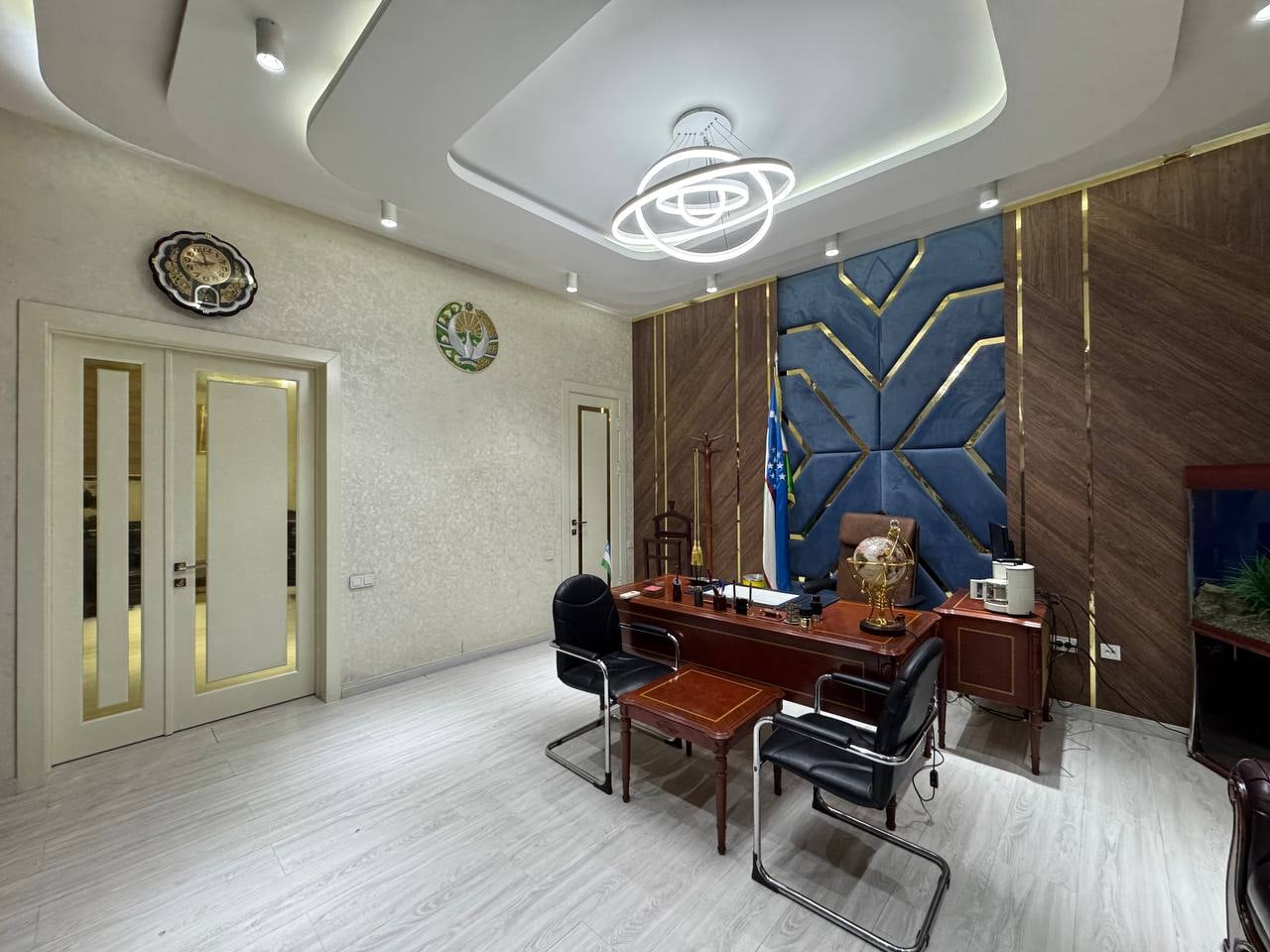
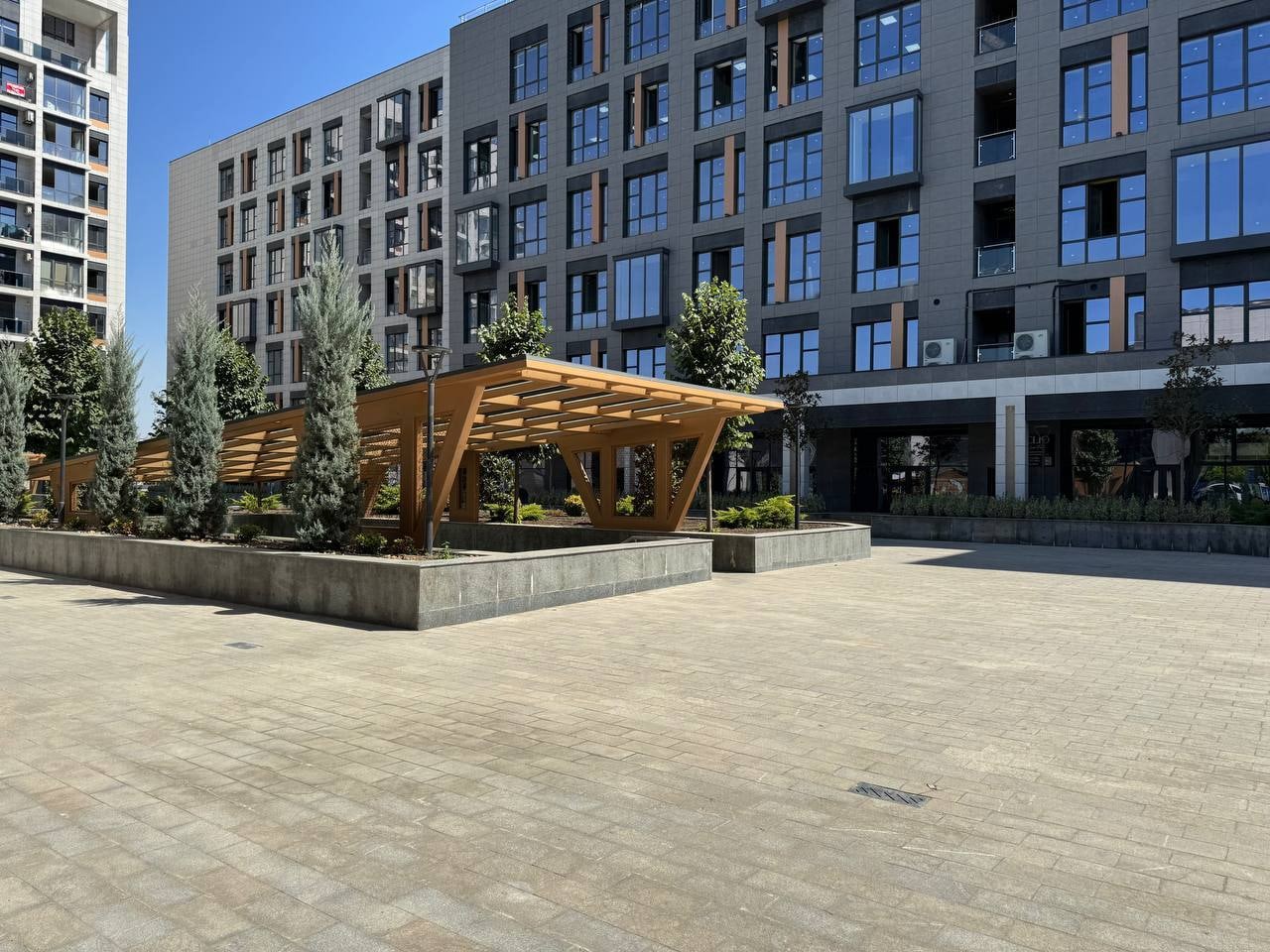
Commercial real estate — Yashnabad district
2 500 000 conventional units
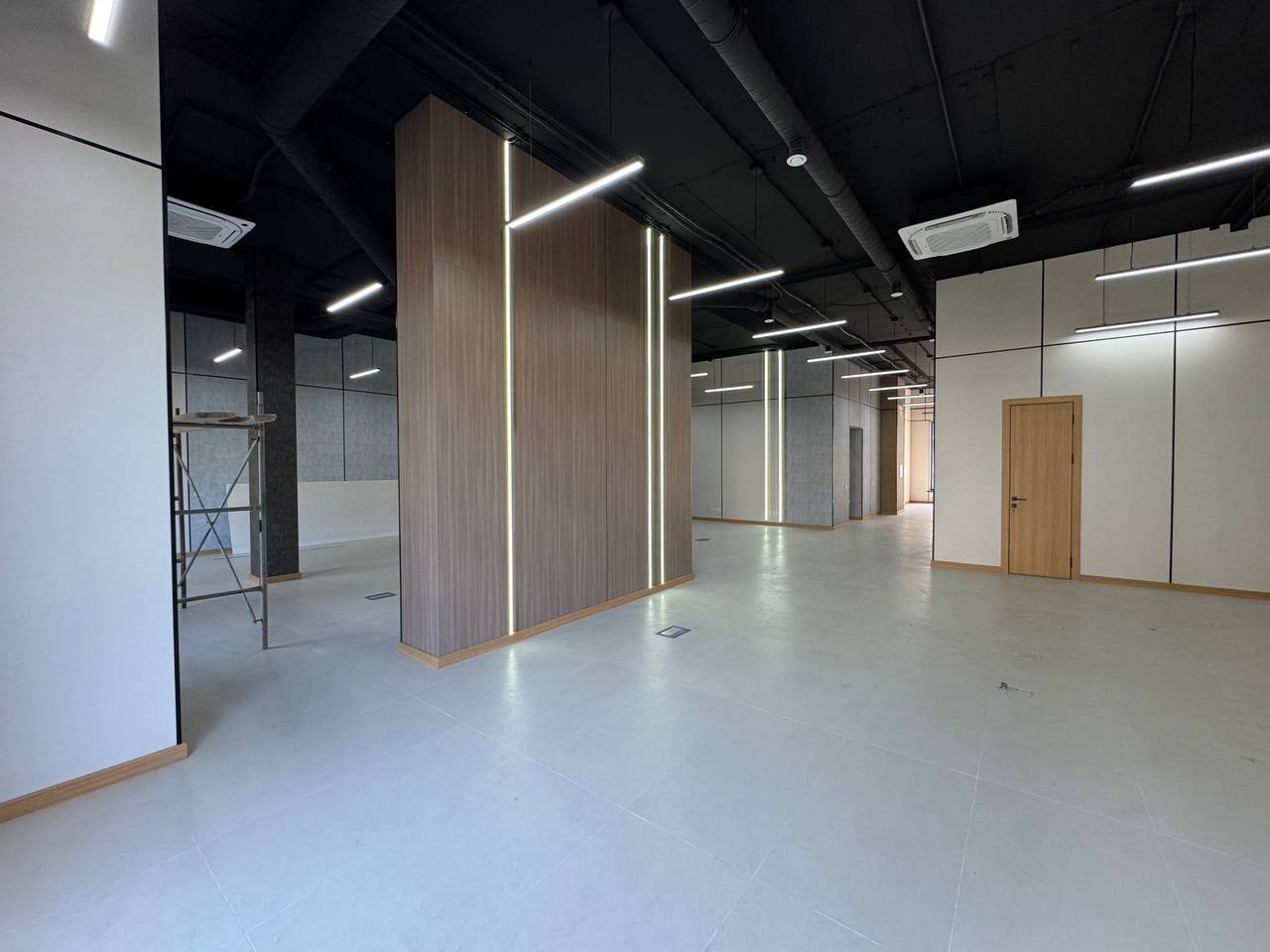
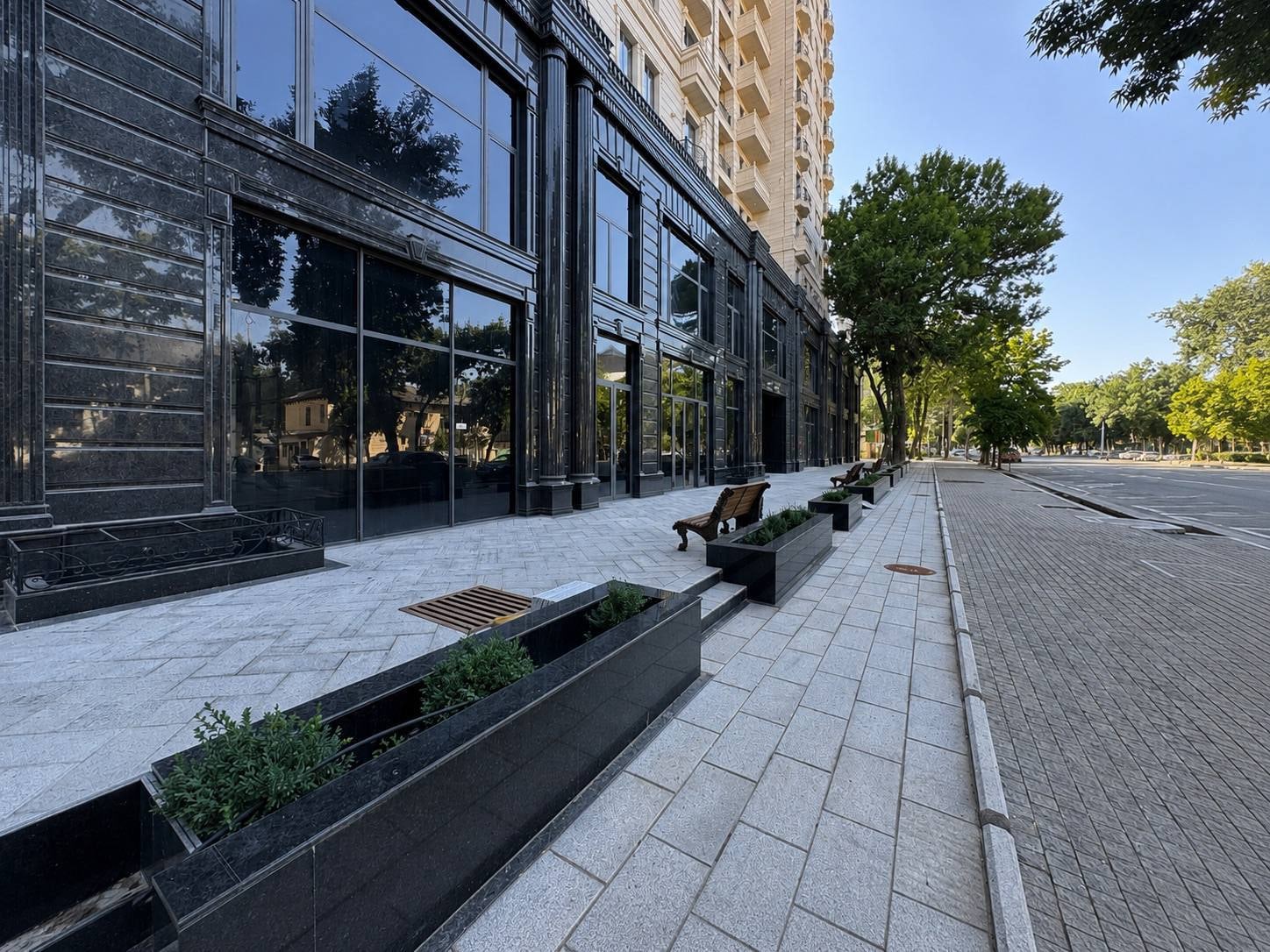
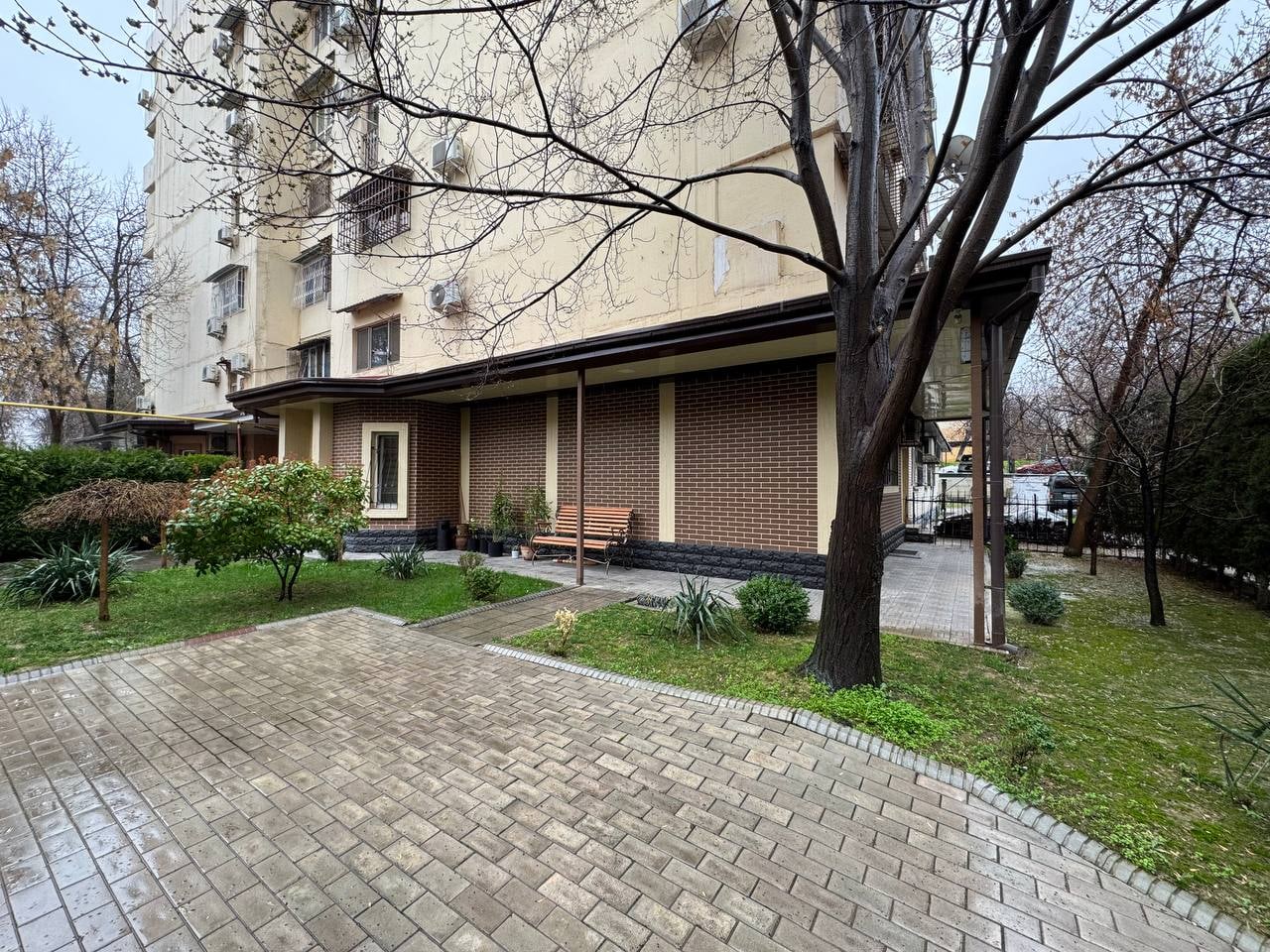
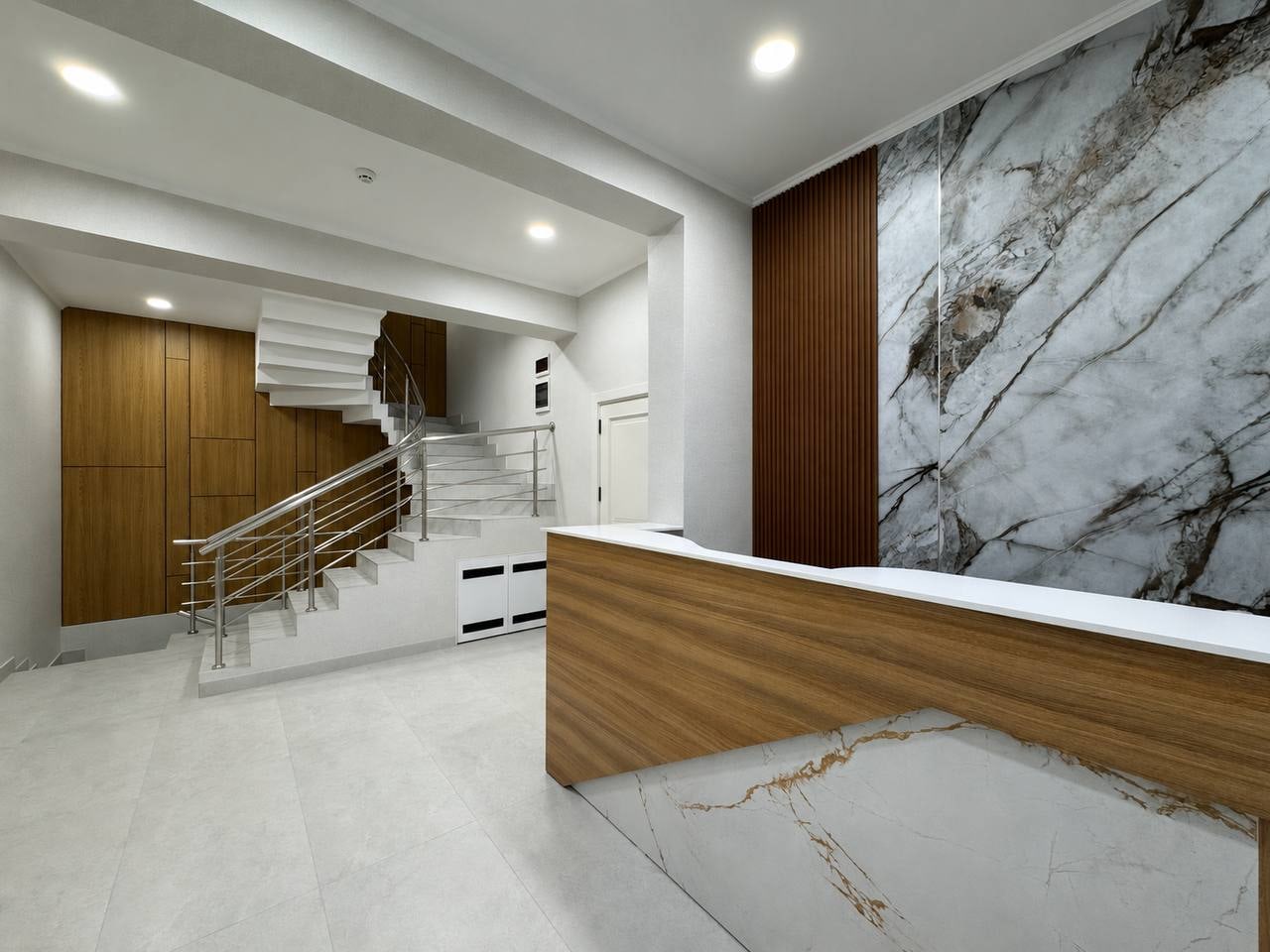
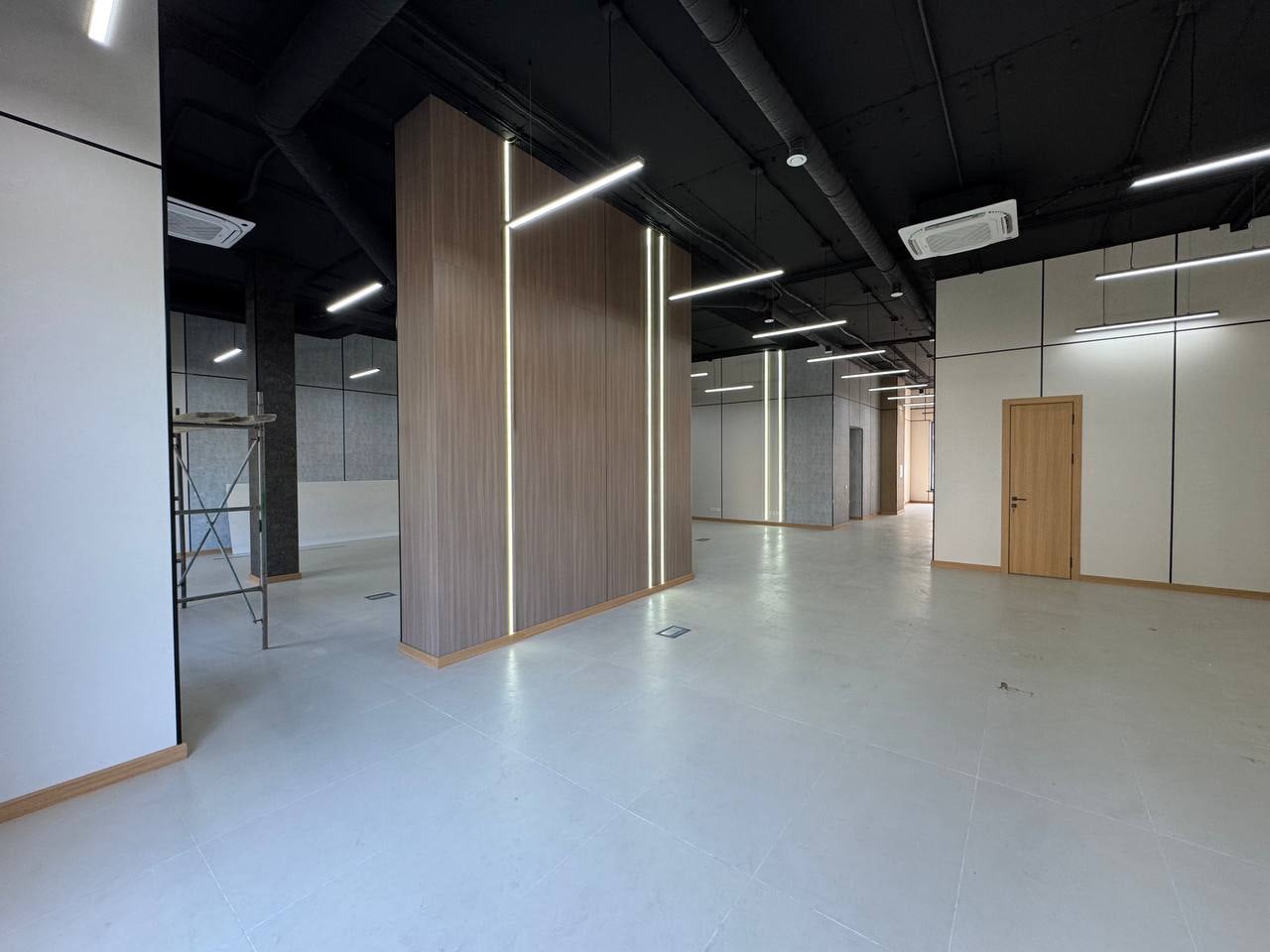
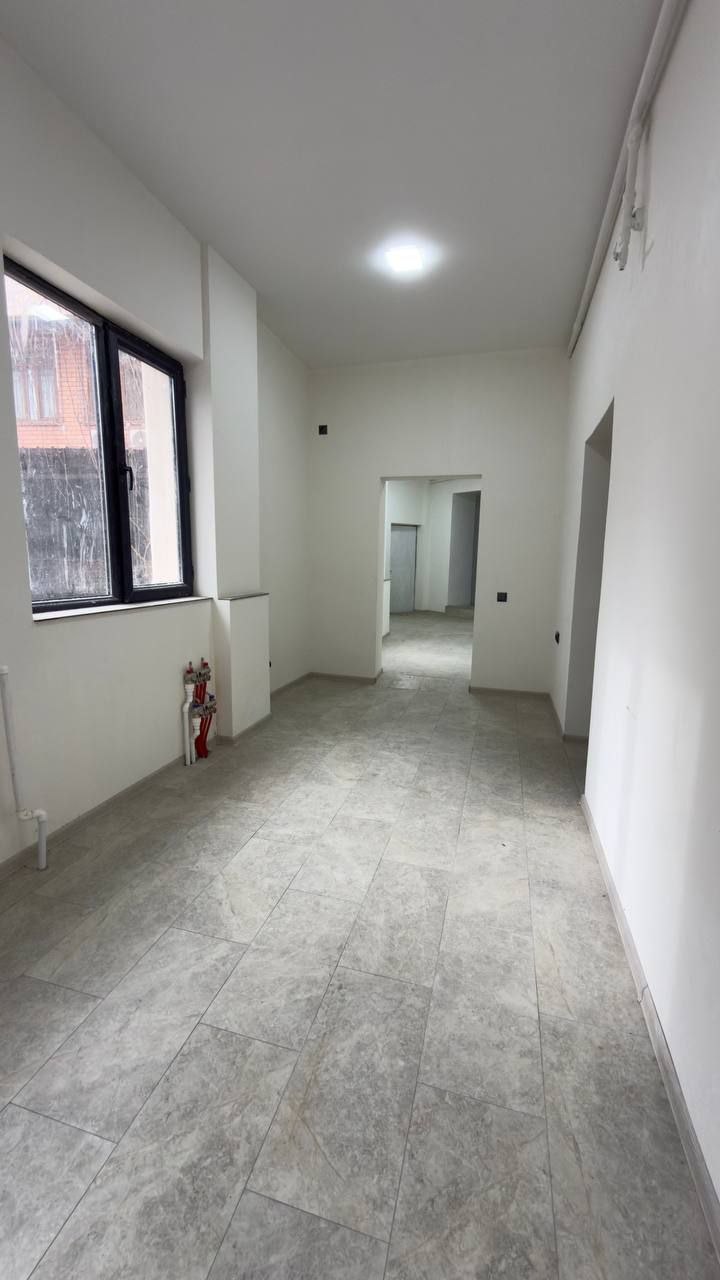
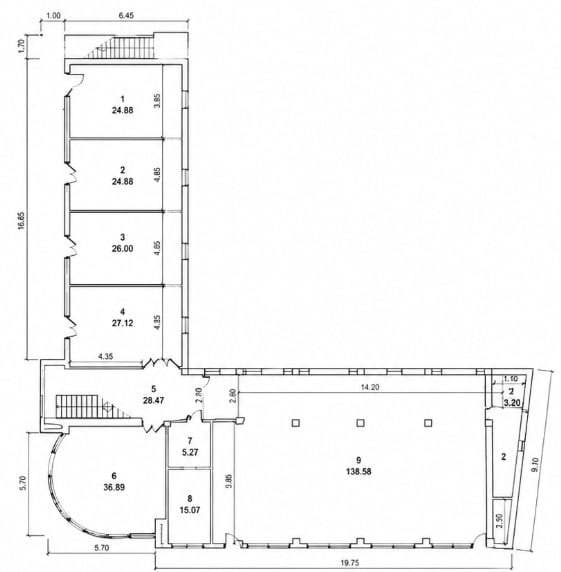
Commercial real estate — Shaykhantokhur district
1 950 conventional units
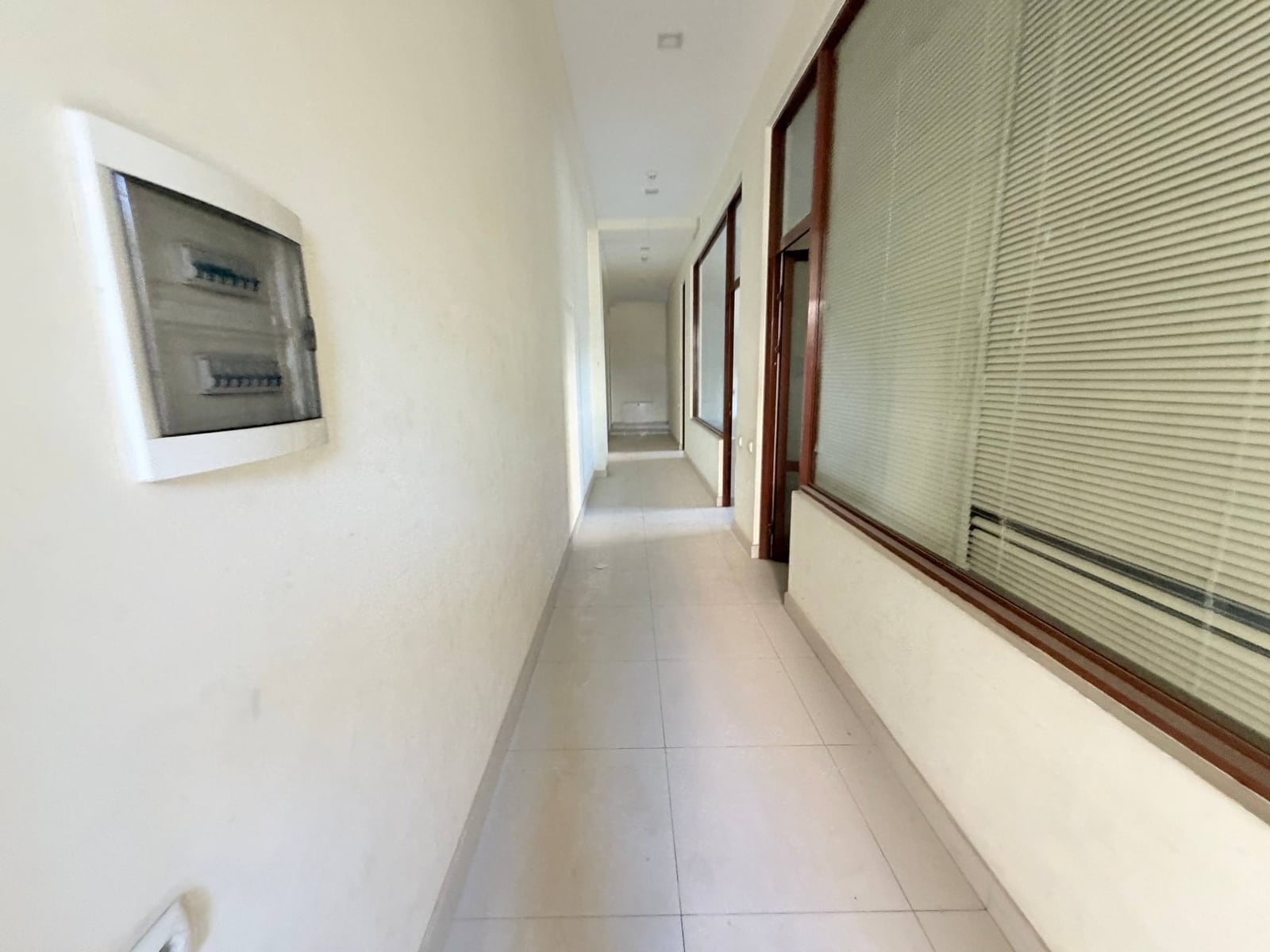
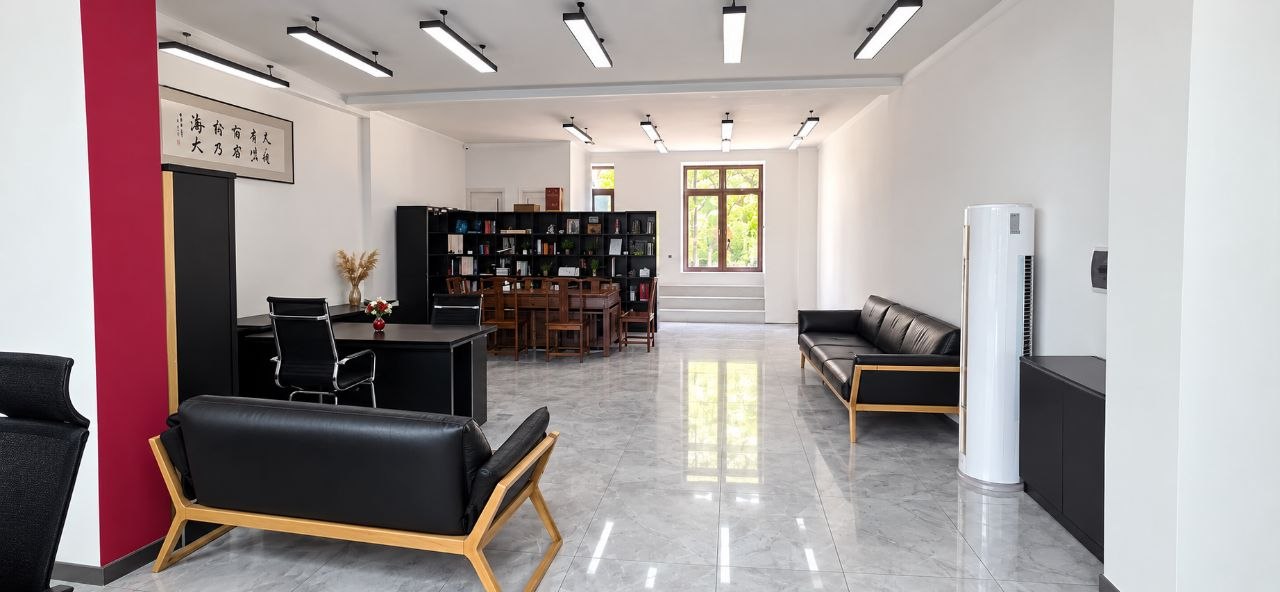
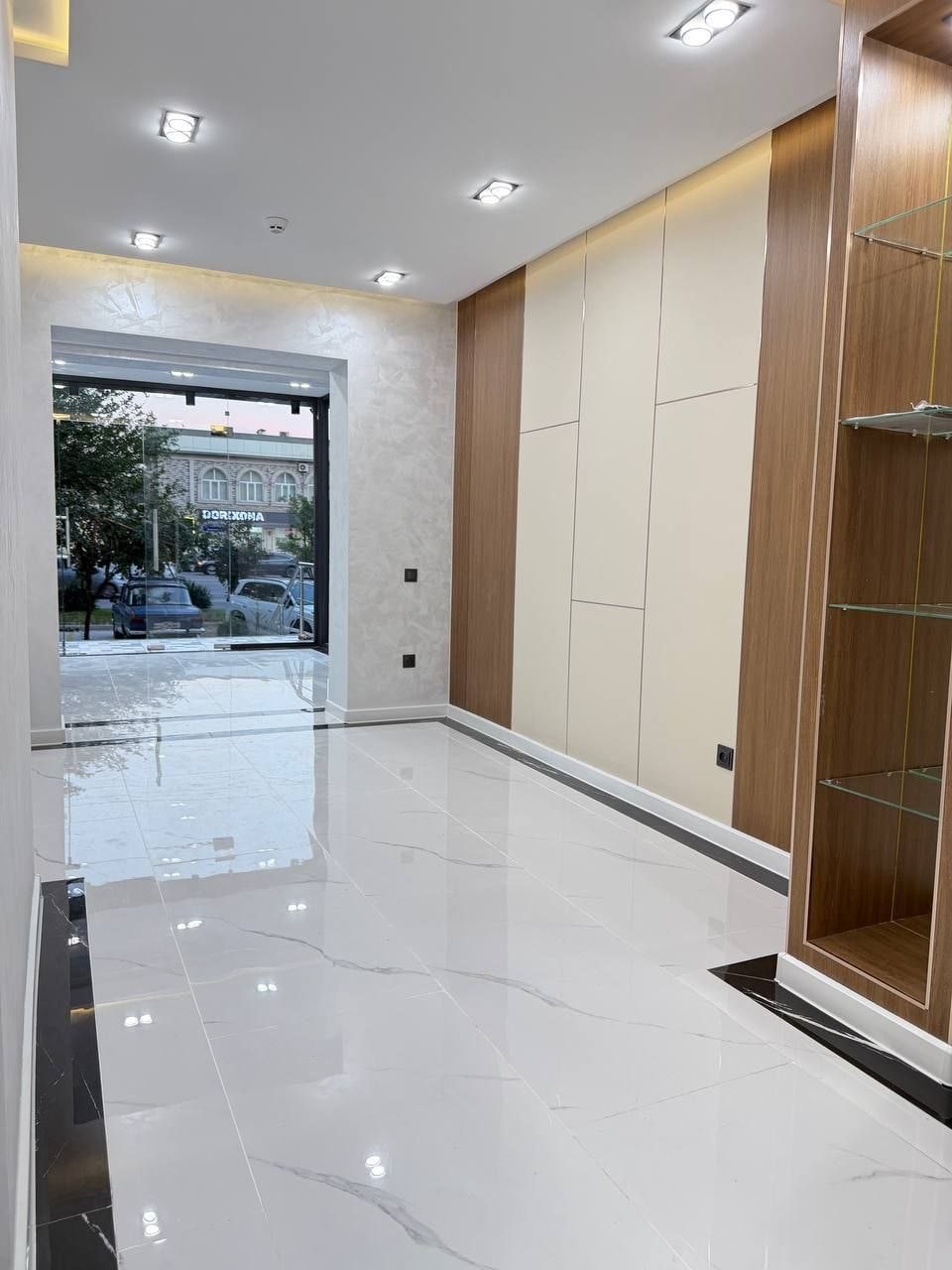
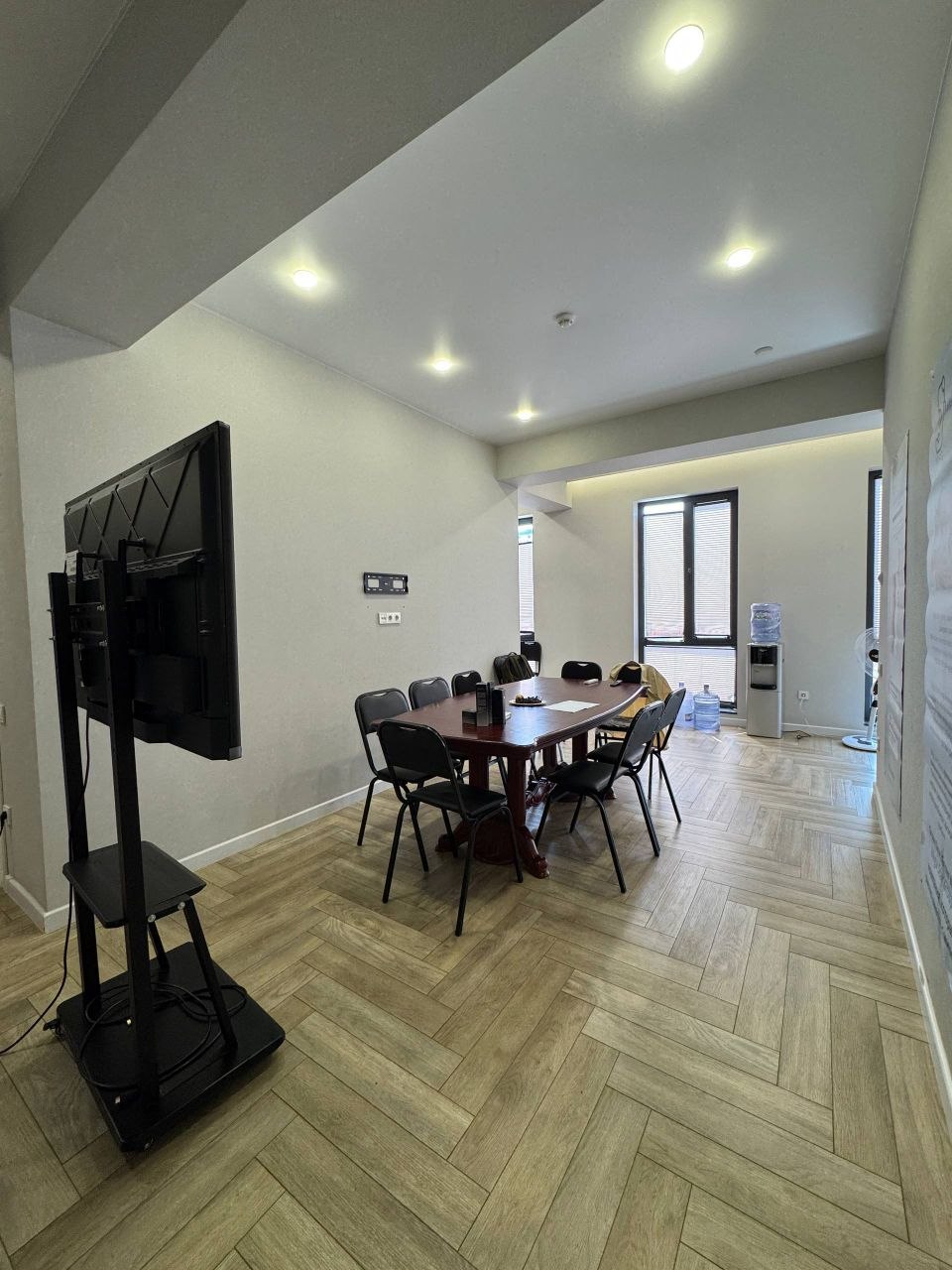
Commercial real estate — Mirzo Ulugbek district
1 300 conventional units
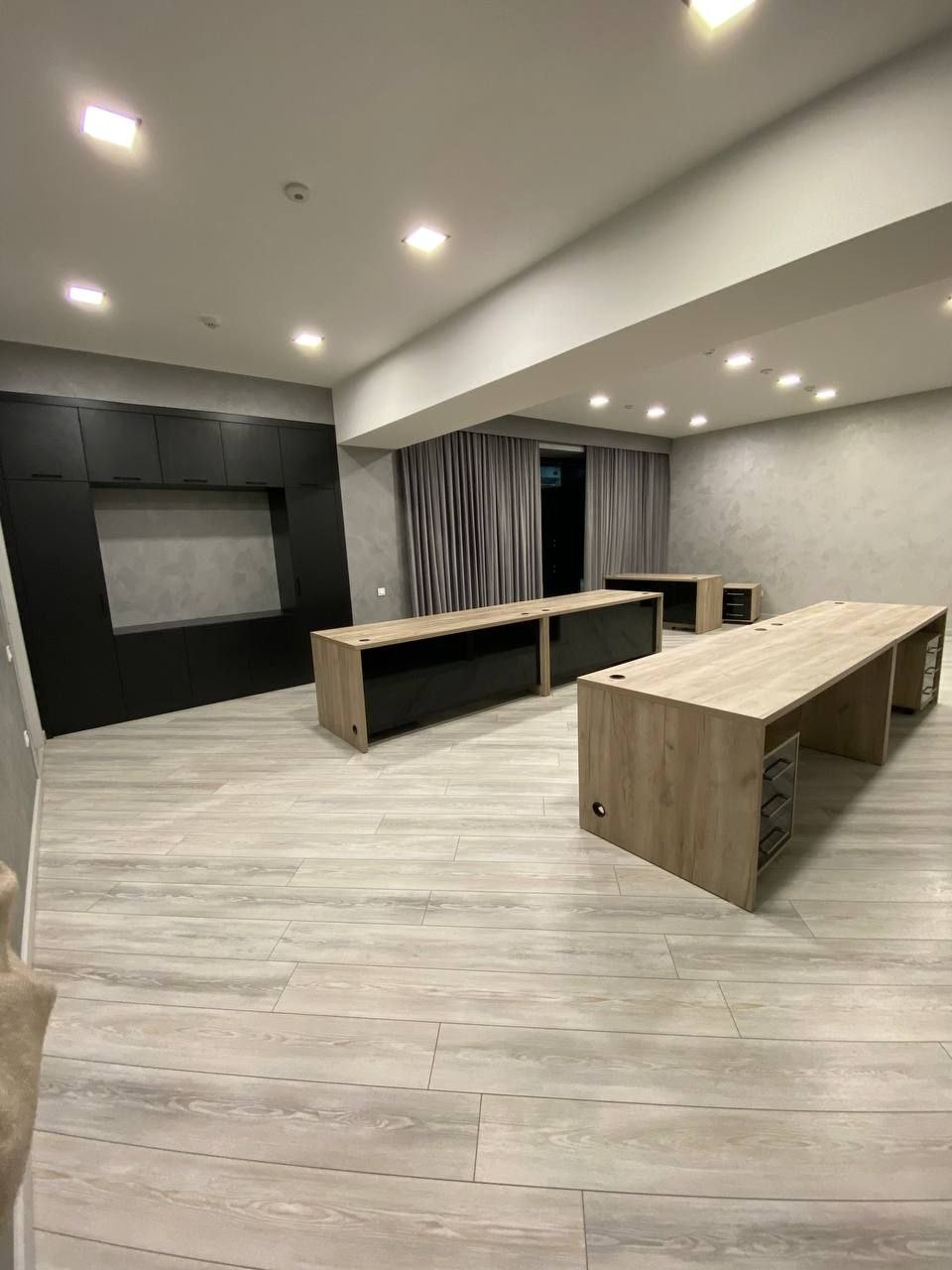
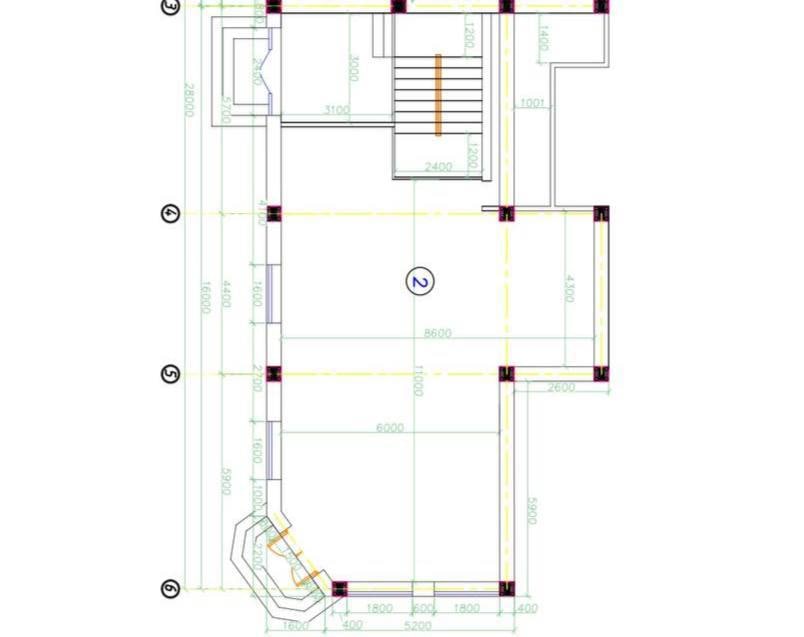
Office space for rent in Darkhan. Available from October
1 700 conventional units
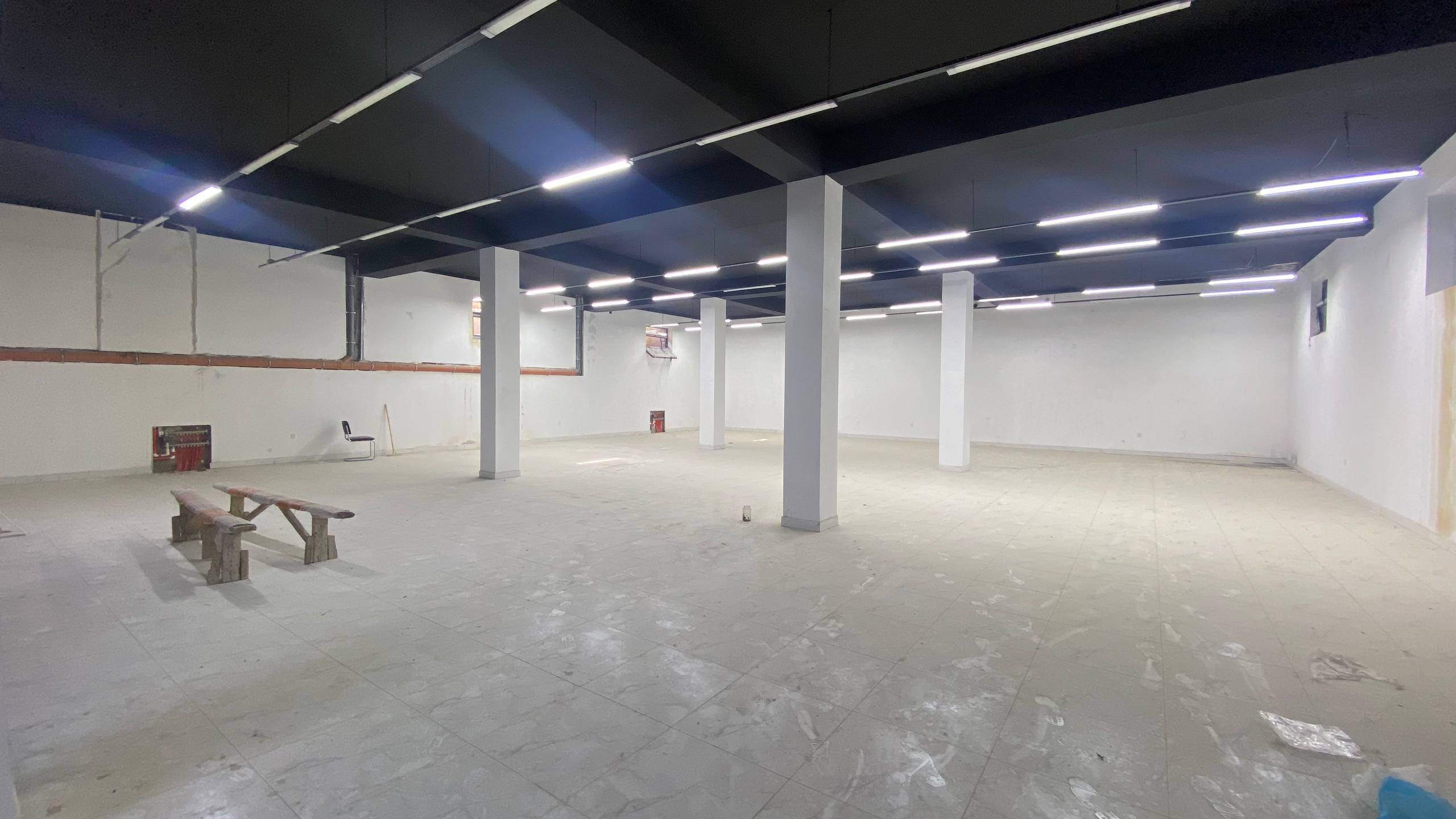
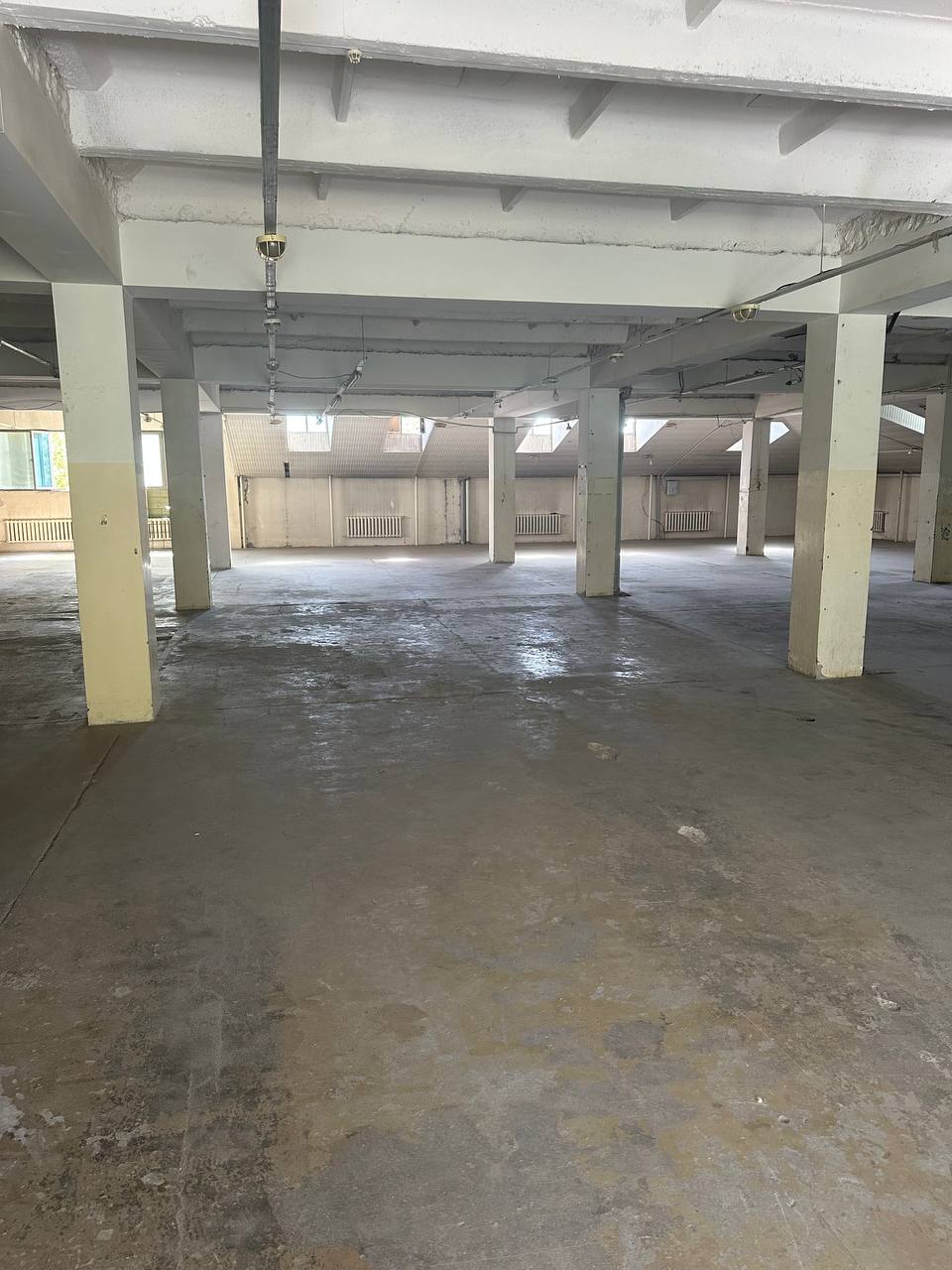
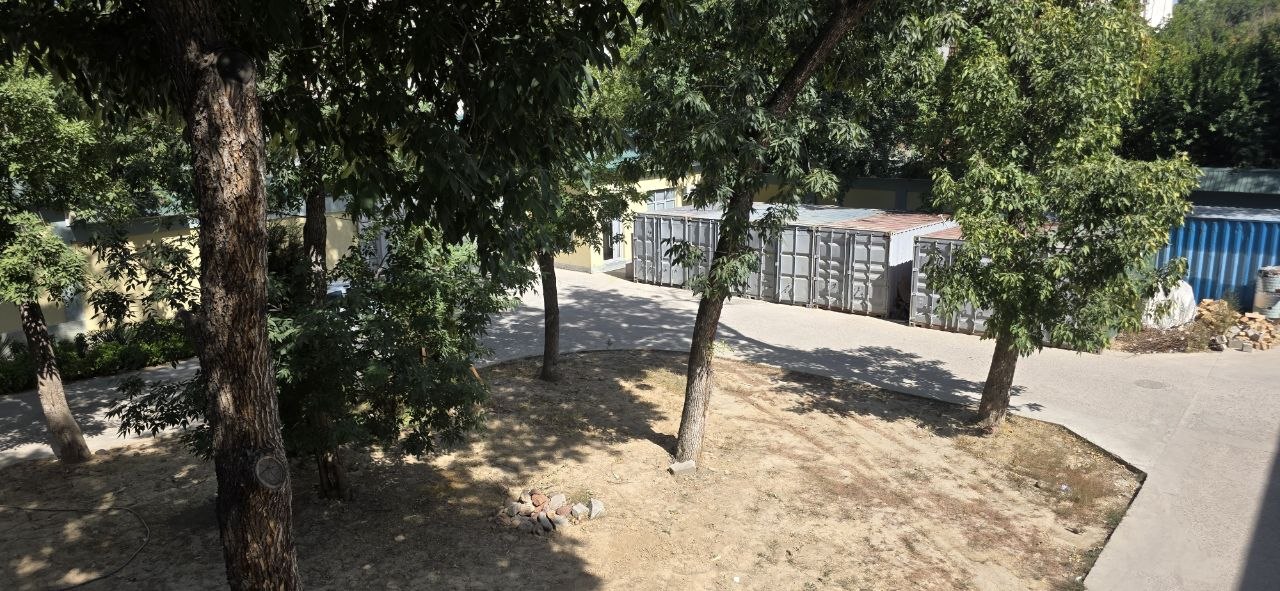
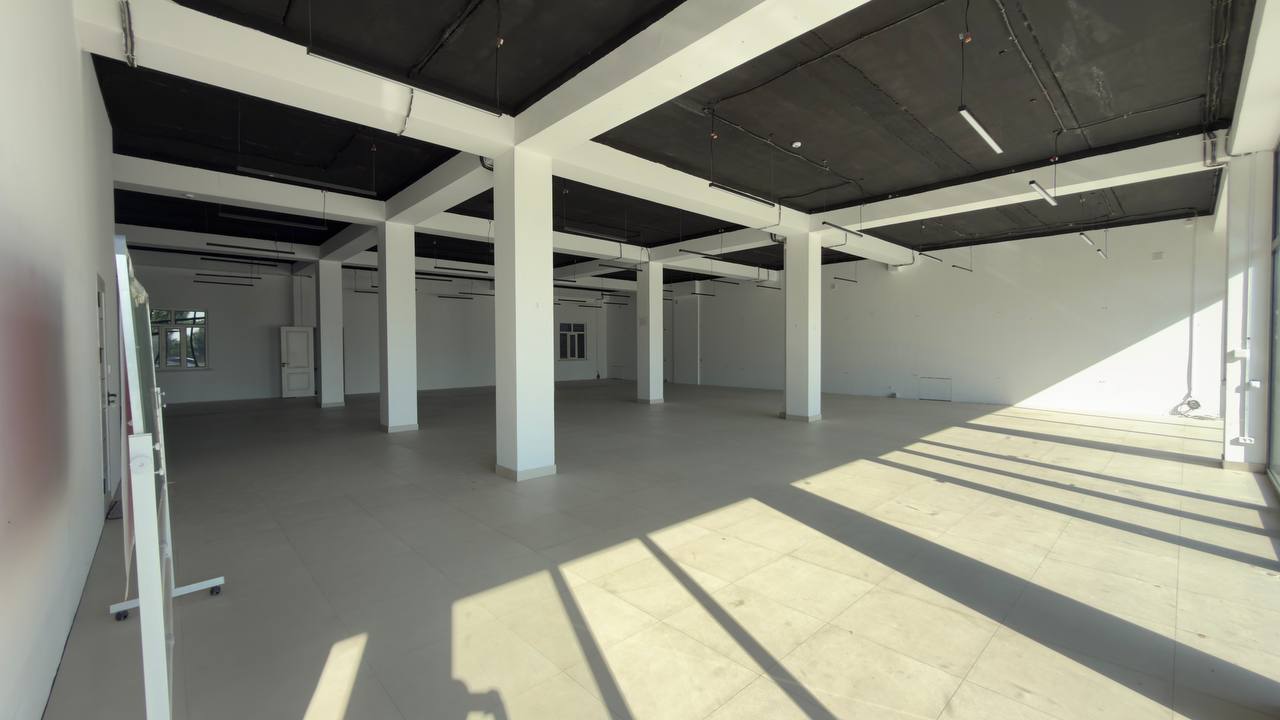
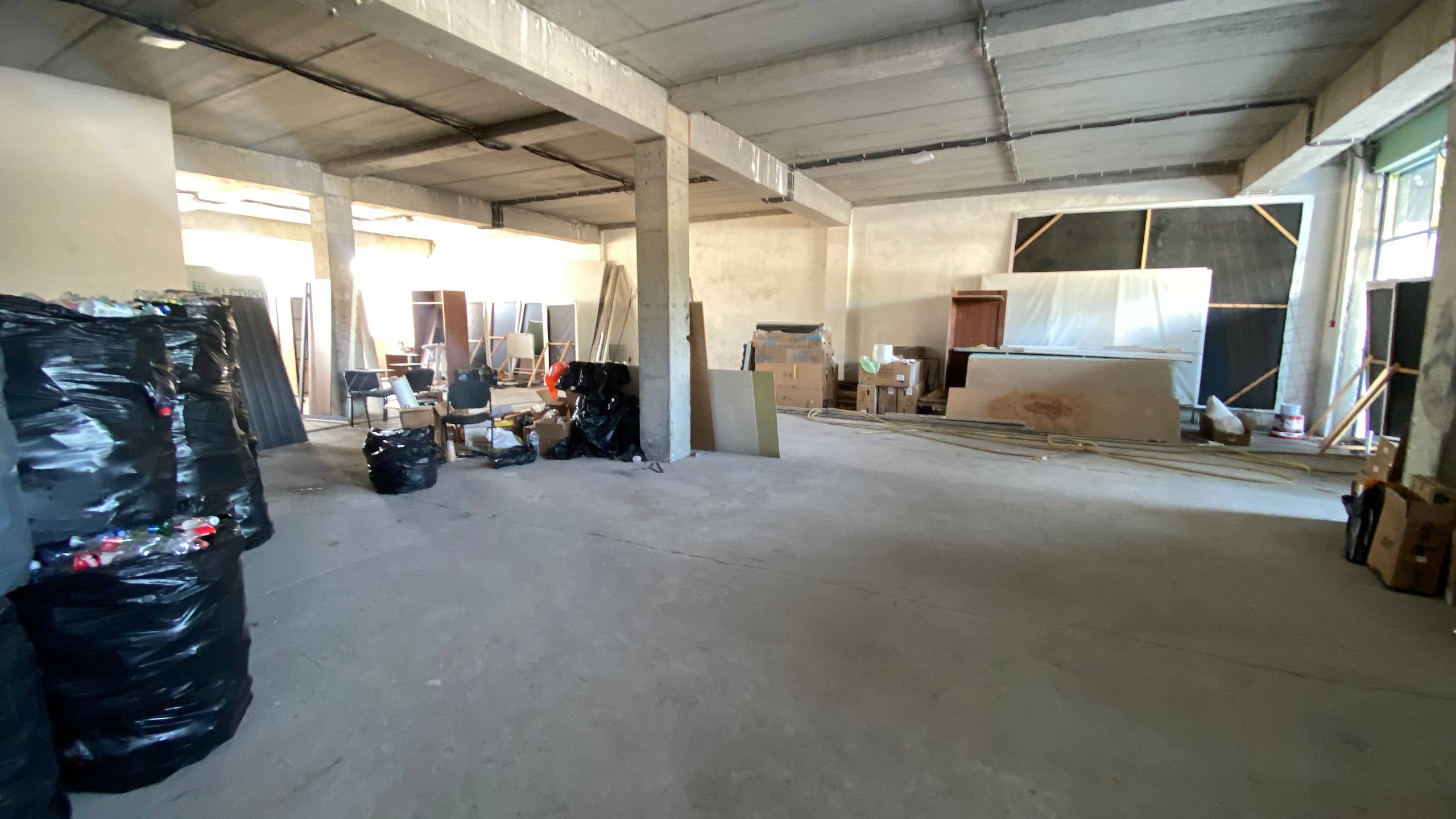
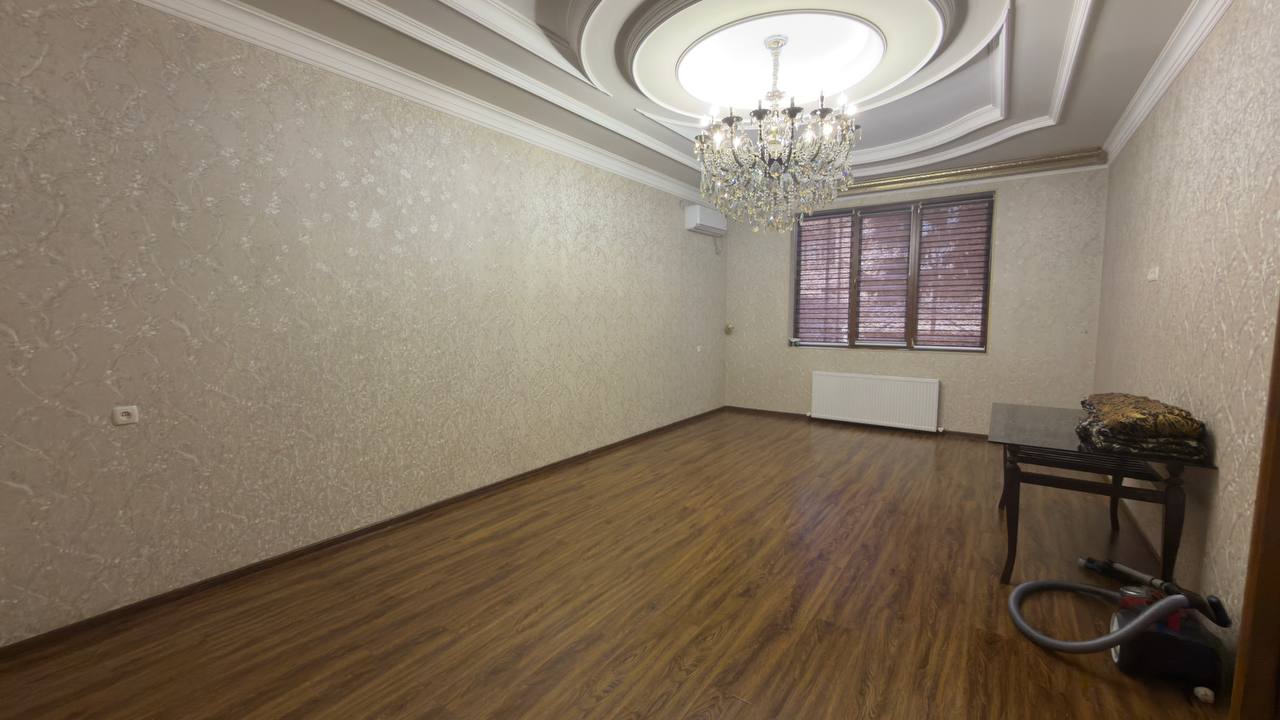
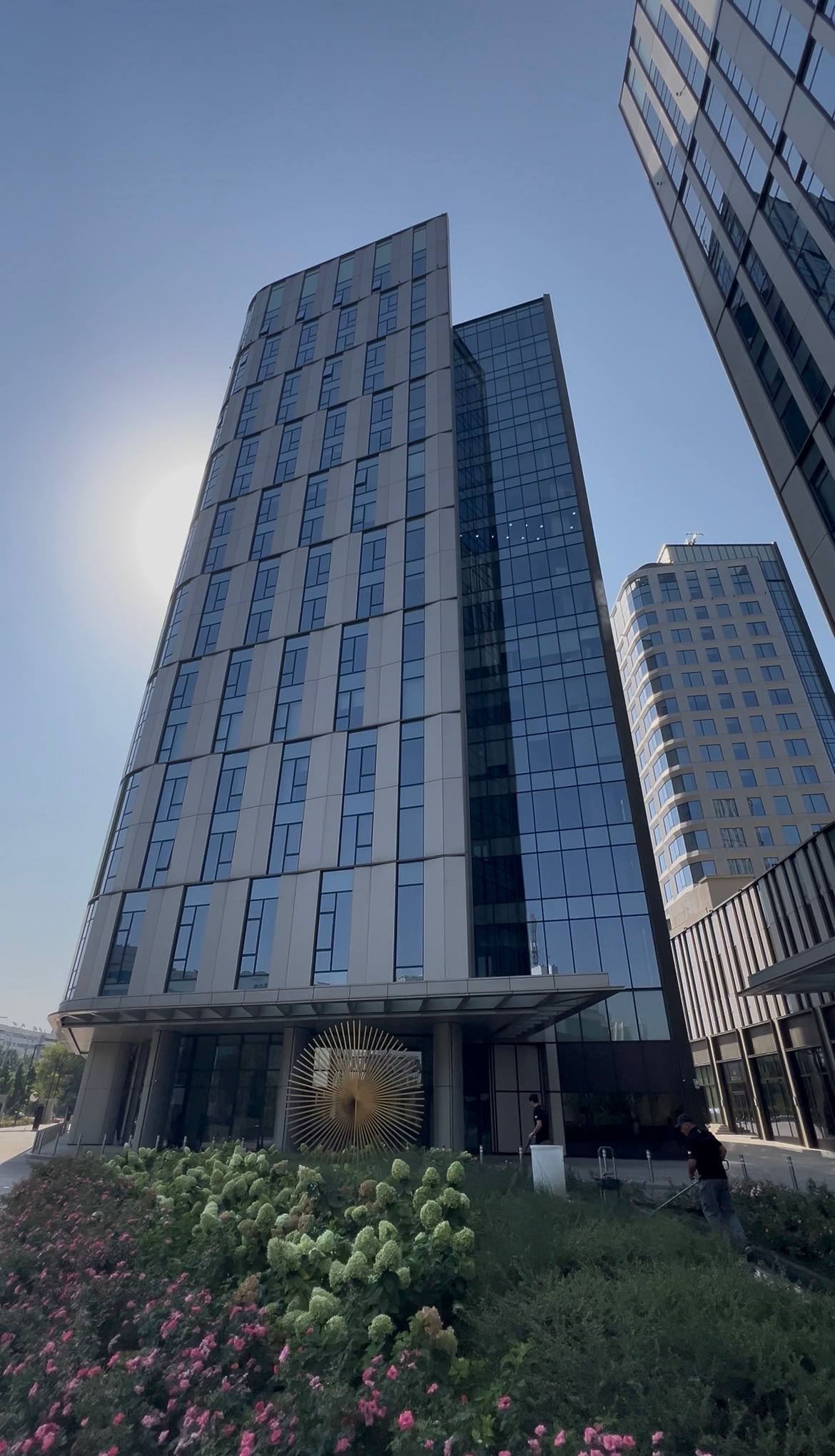
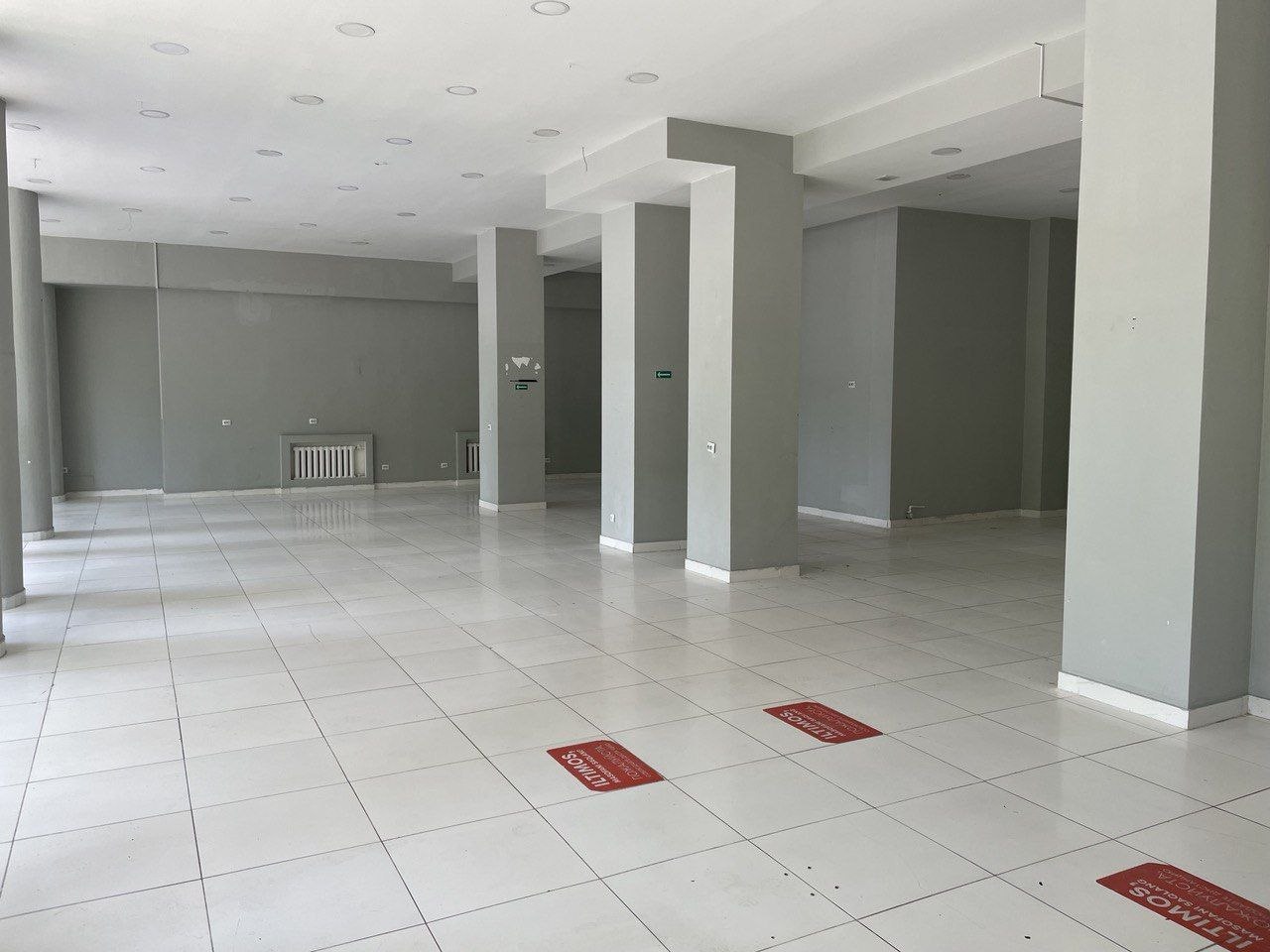
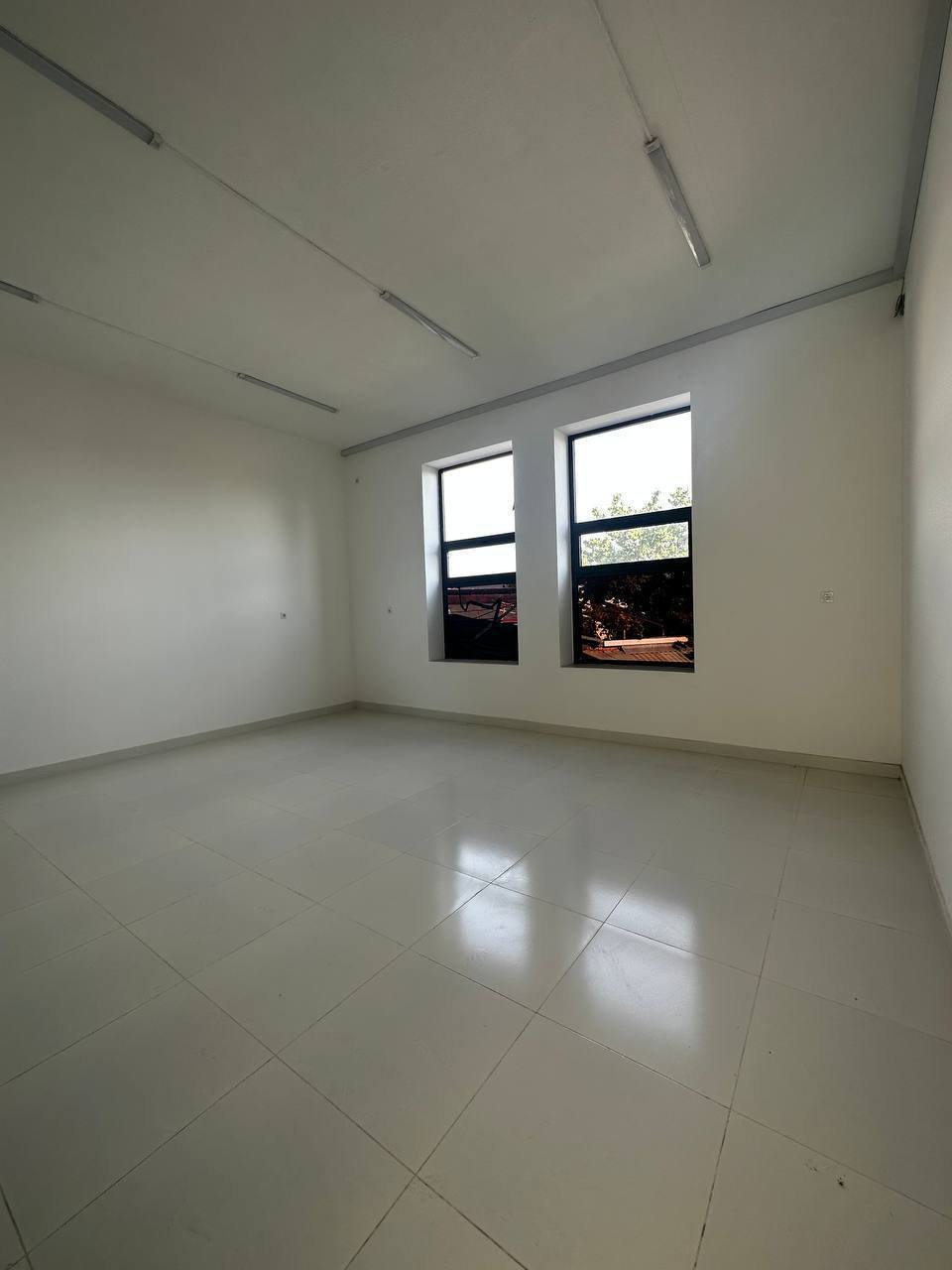
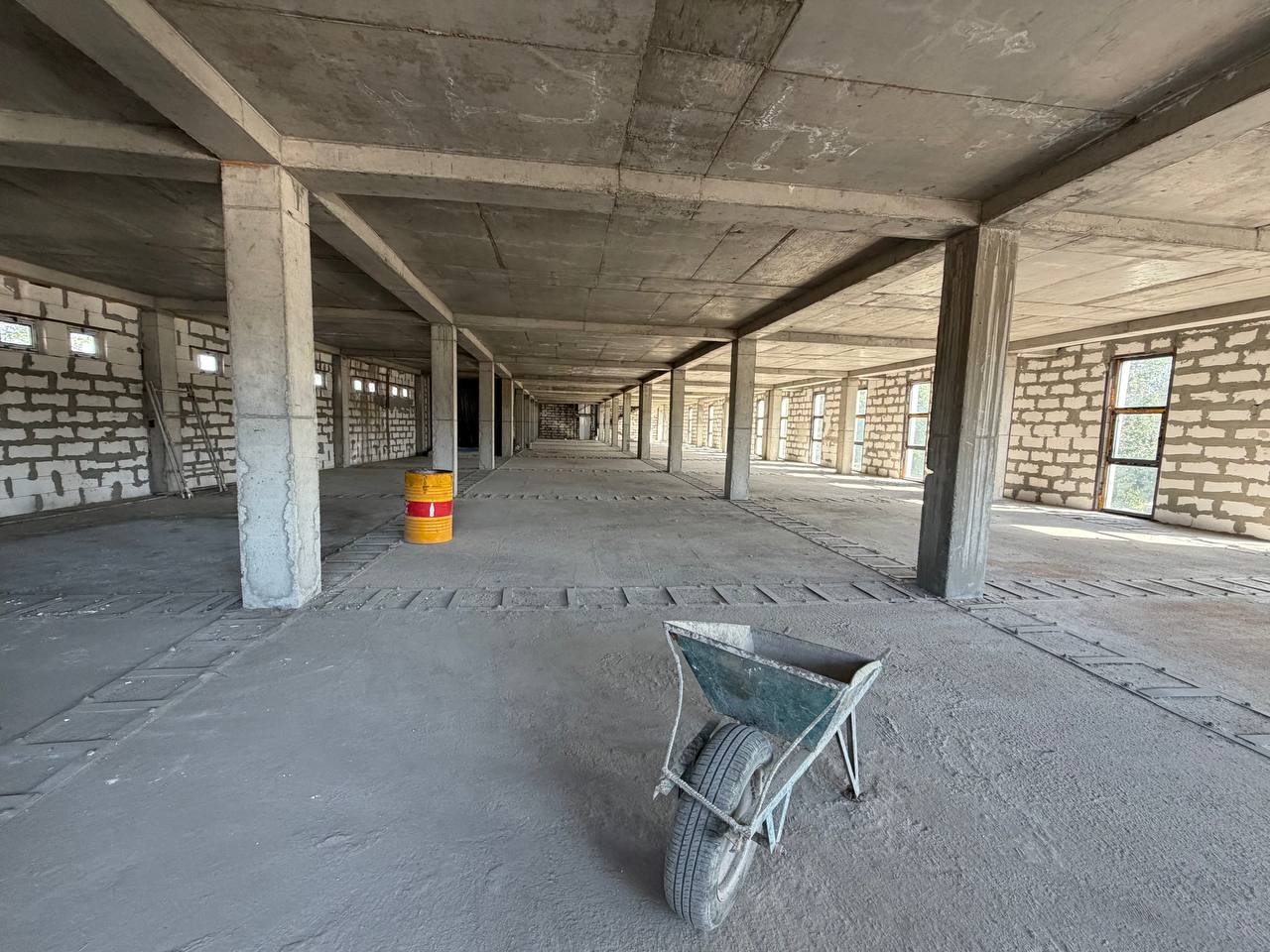
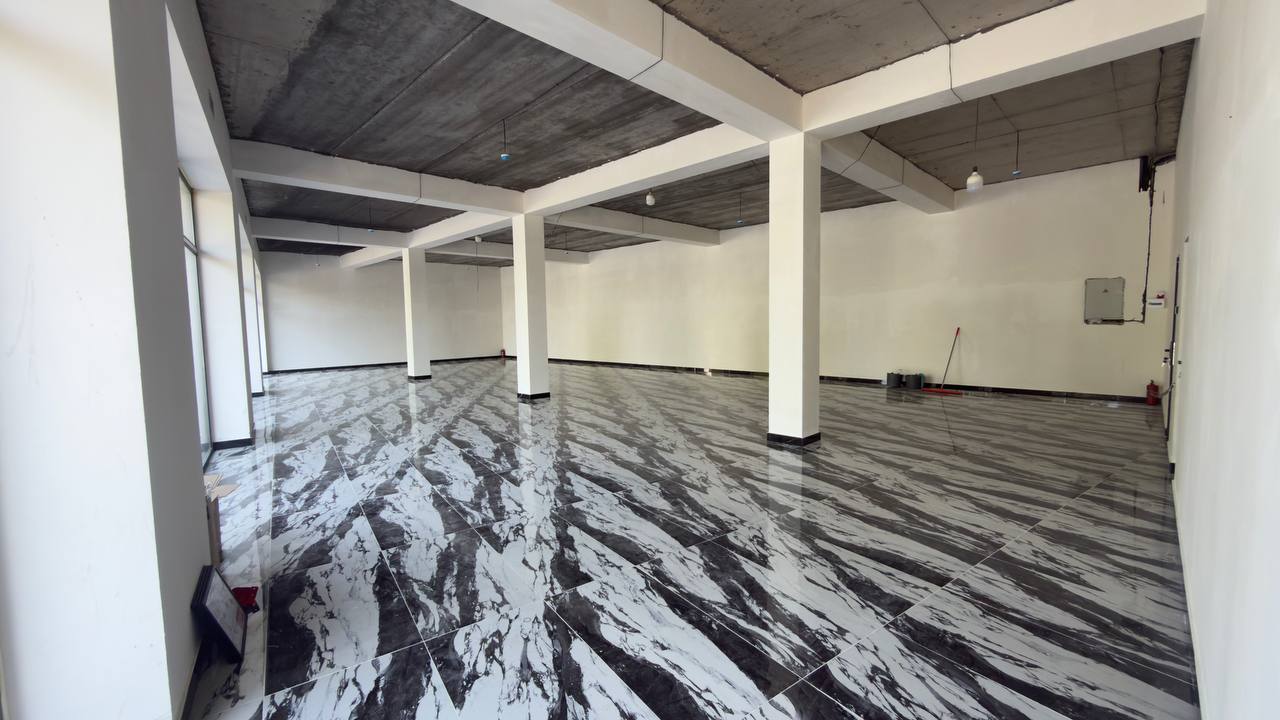
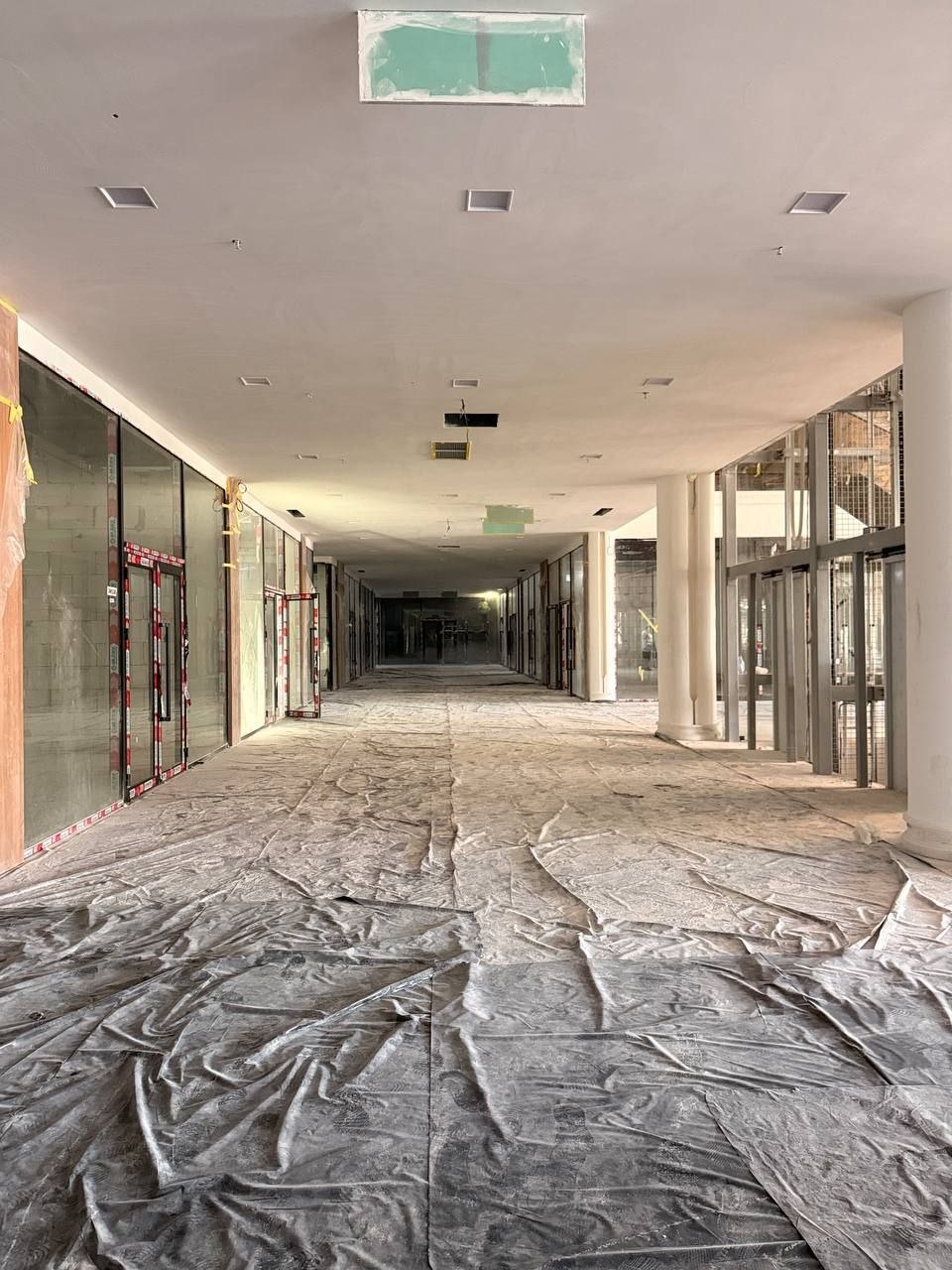
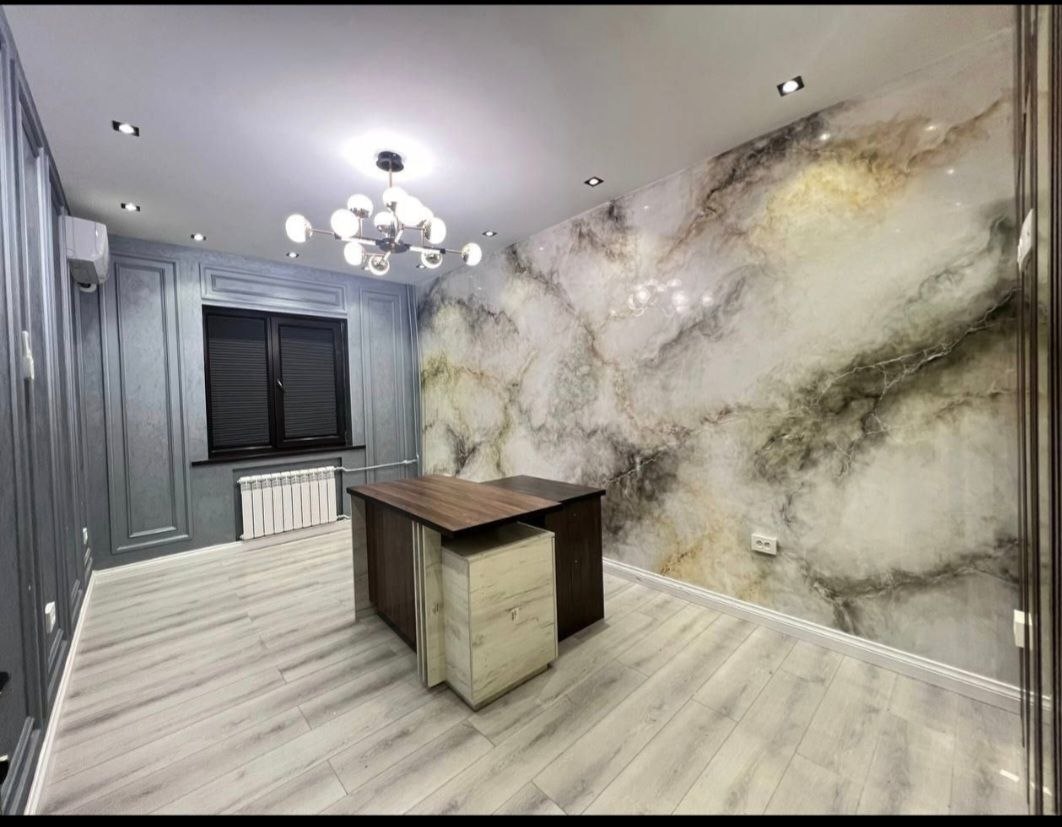
Commercial real estate — Mirzo Ulugbek district
1 300 conventional units
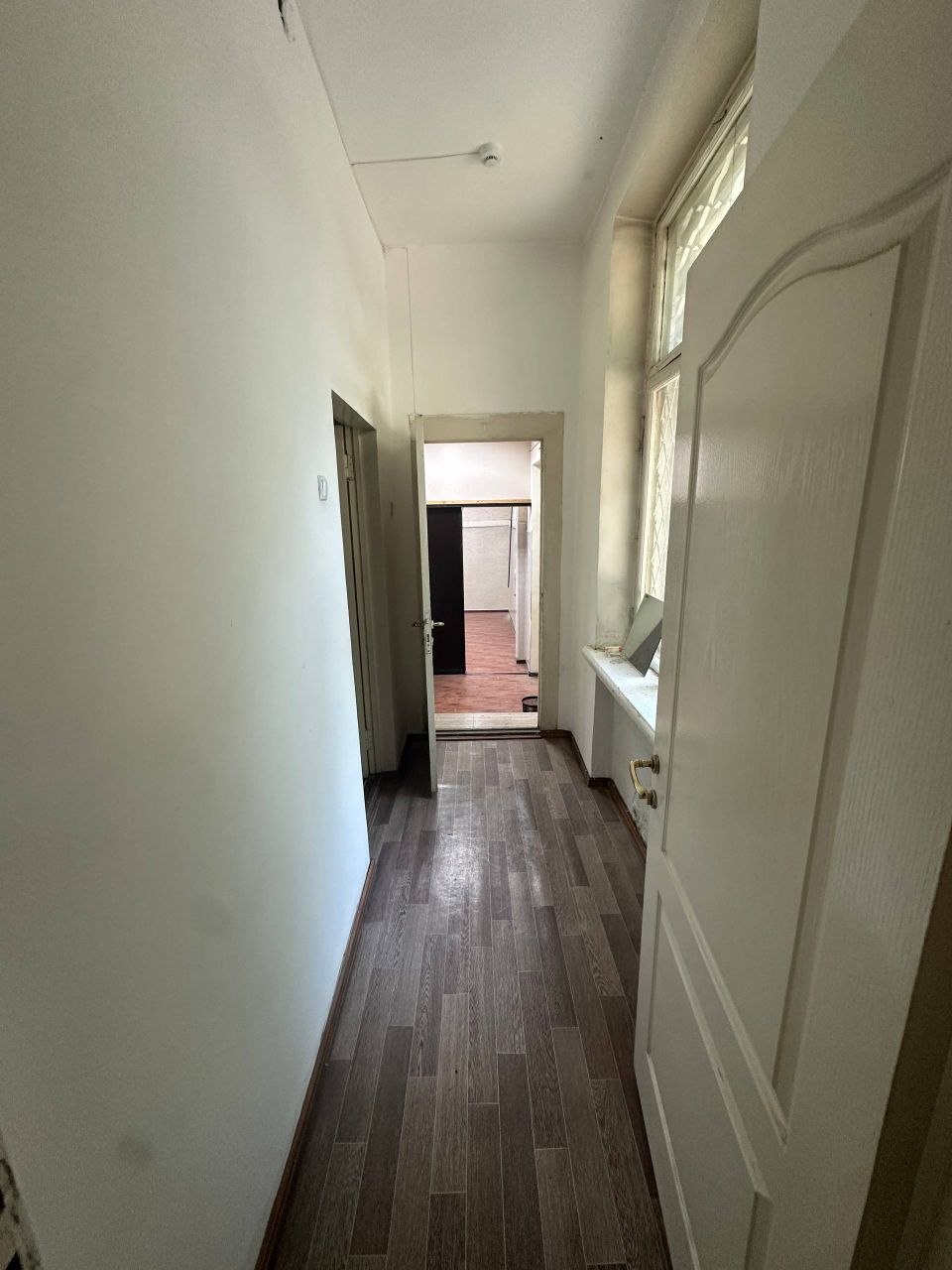
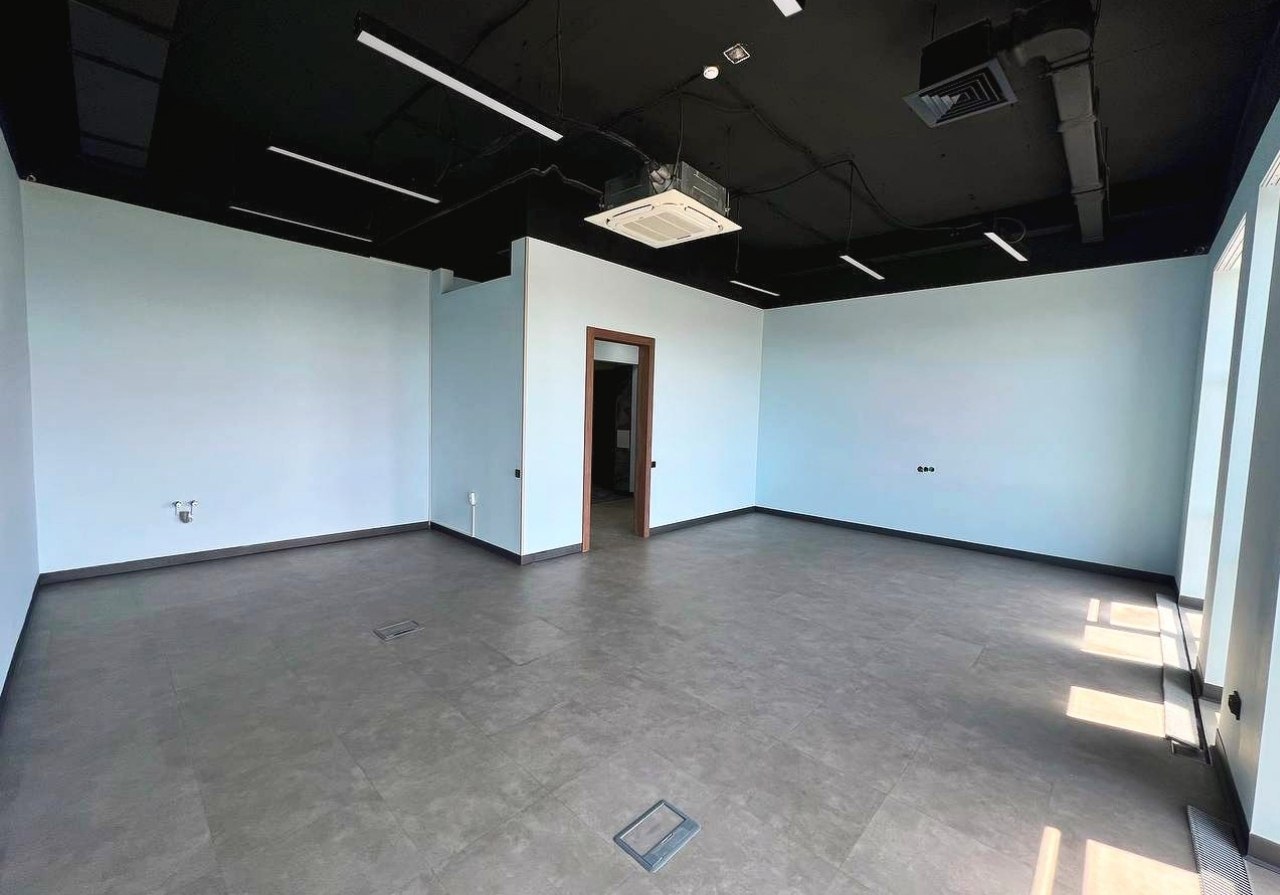
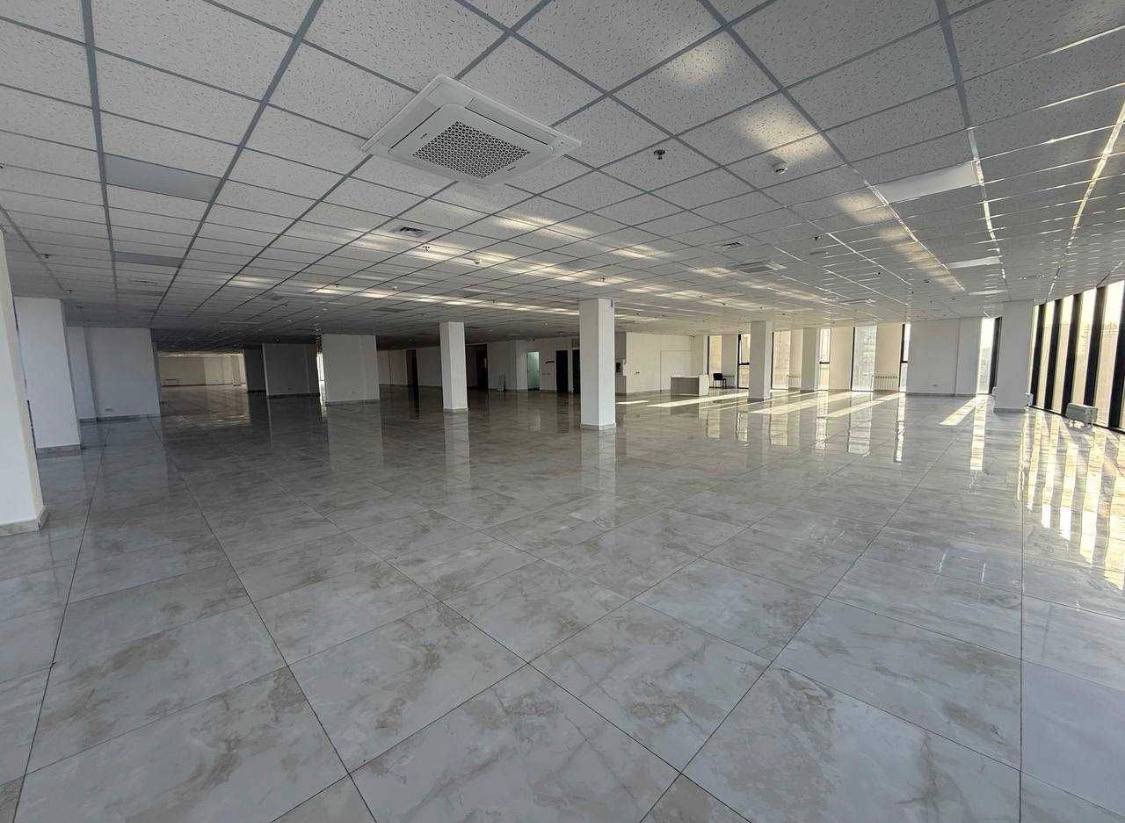
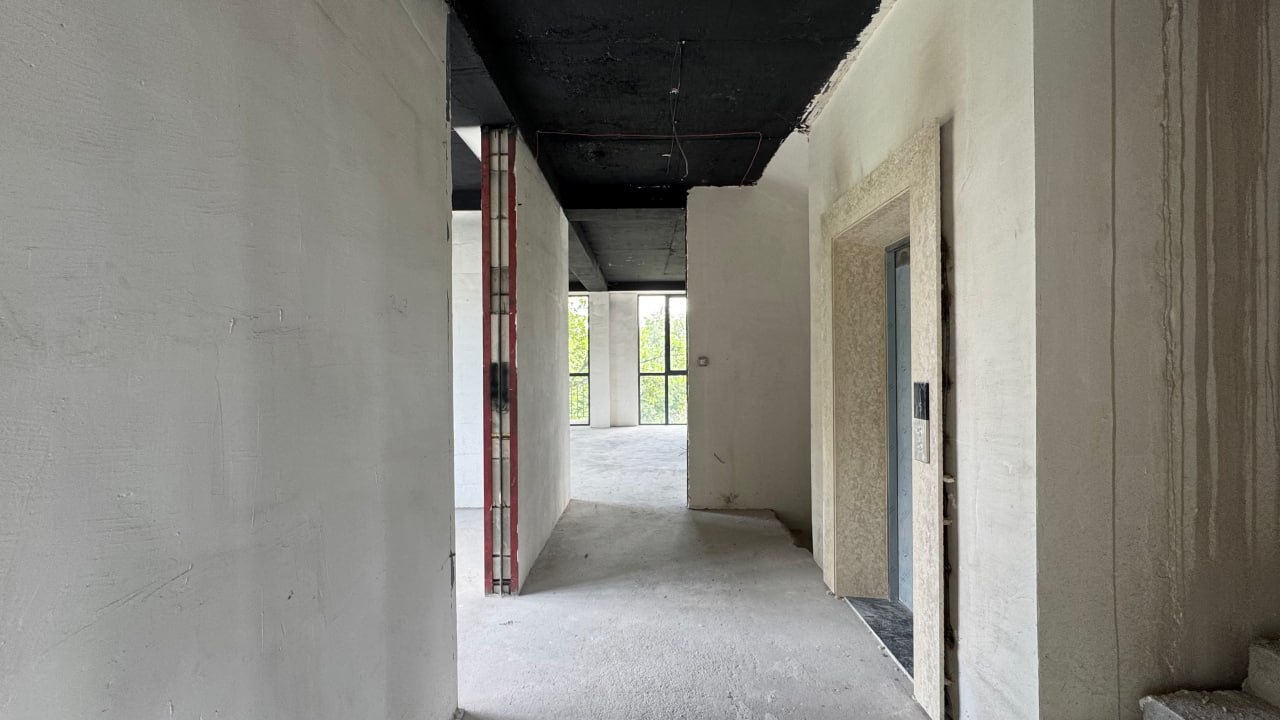
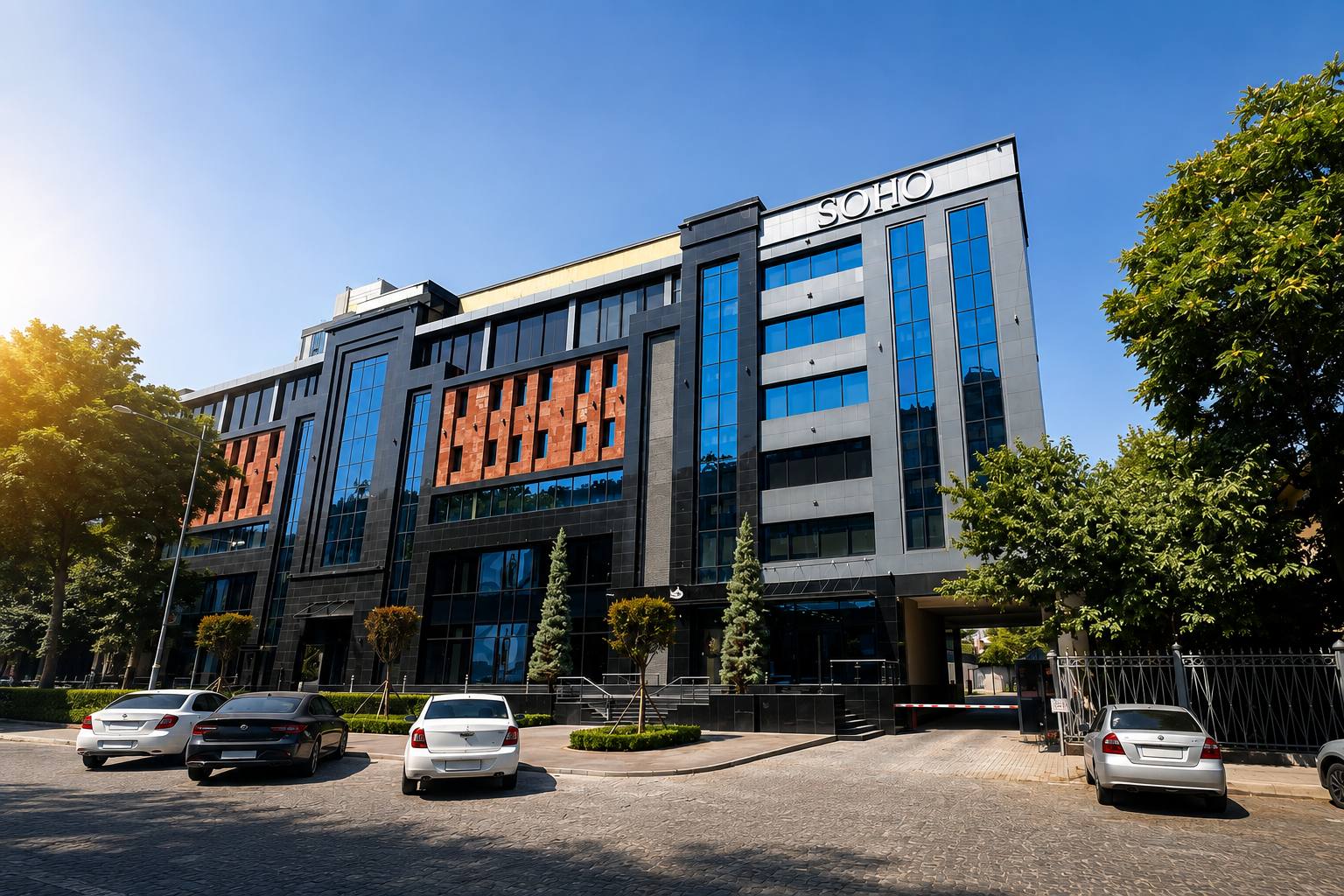
100 m² Office for Rent in Mirabad District — Taras Shevchenko Street
23 conventional units / m²
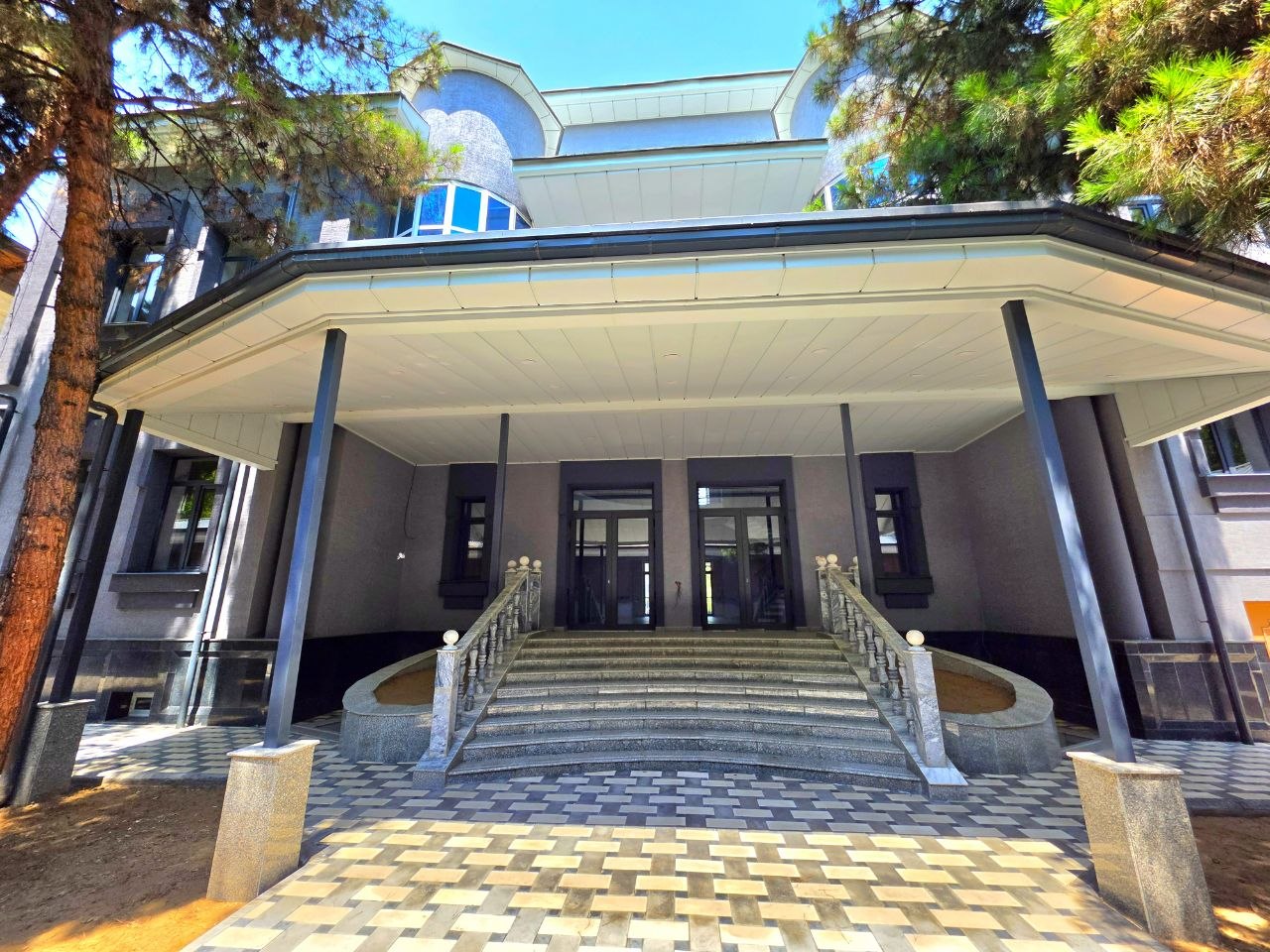
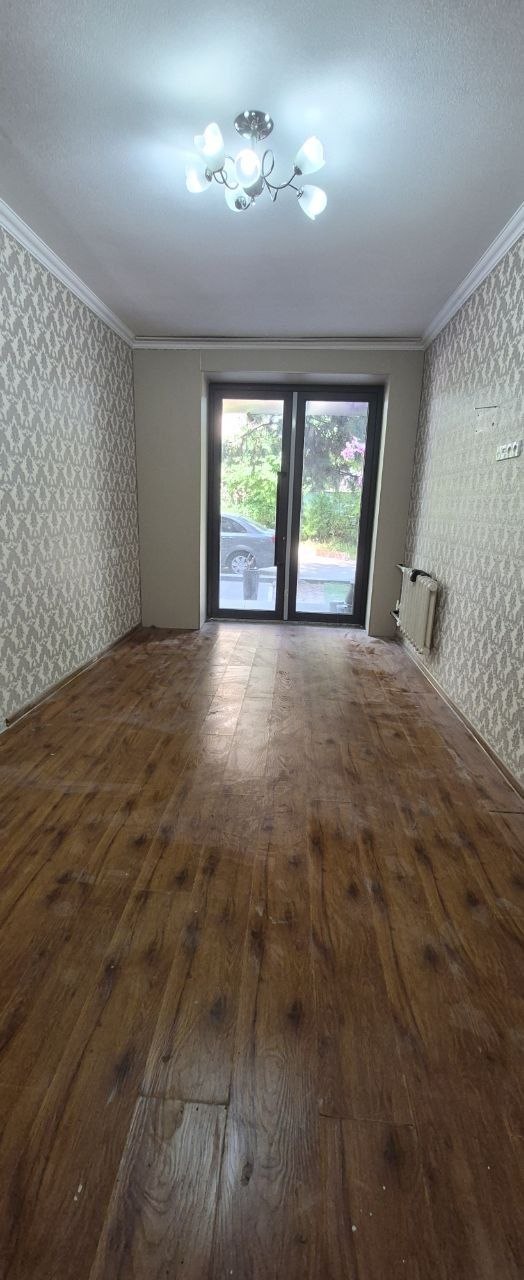
Commercial real estate — Mirzo Ulugbek district
2 300 conventional units
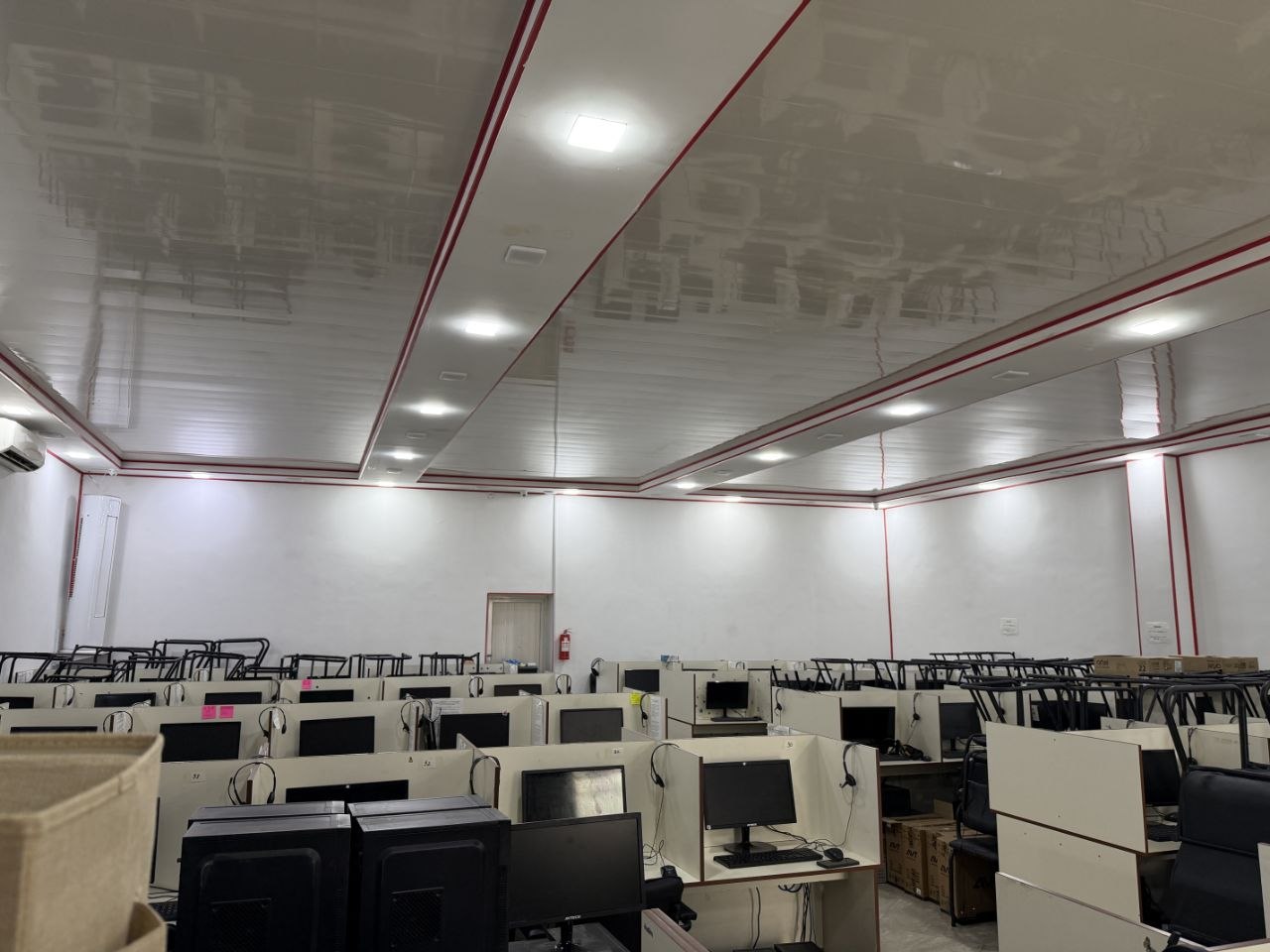
Commercial real estate — Mirzo Ulugbek district
3 000 conventional units
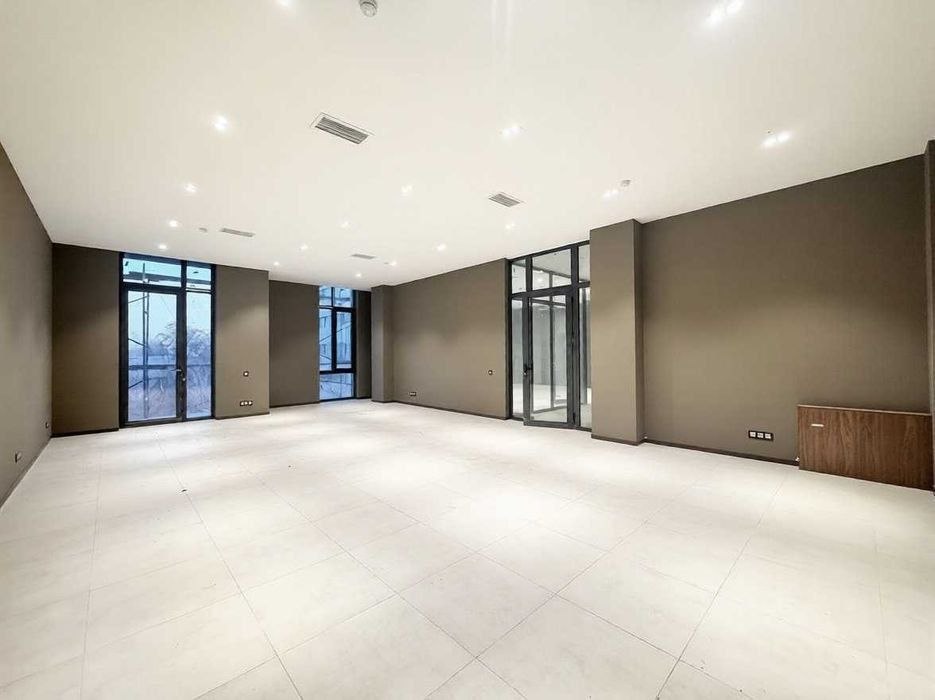
Commercial real estate — Yunusabad district
1 600 000 conventional units
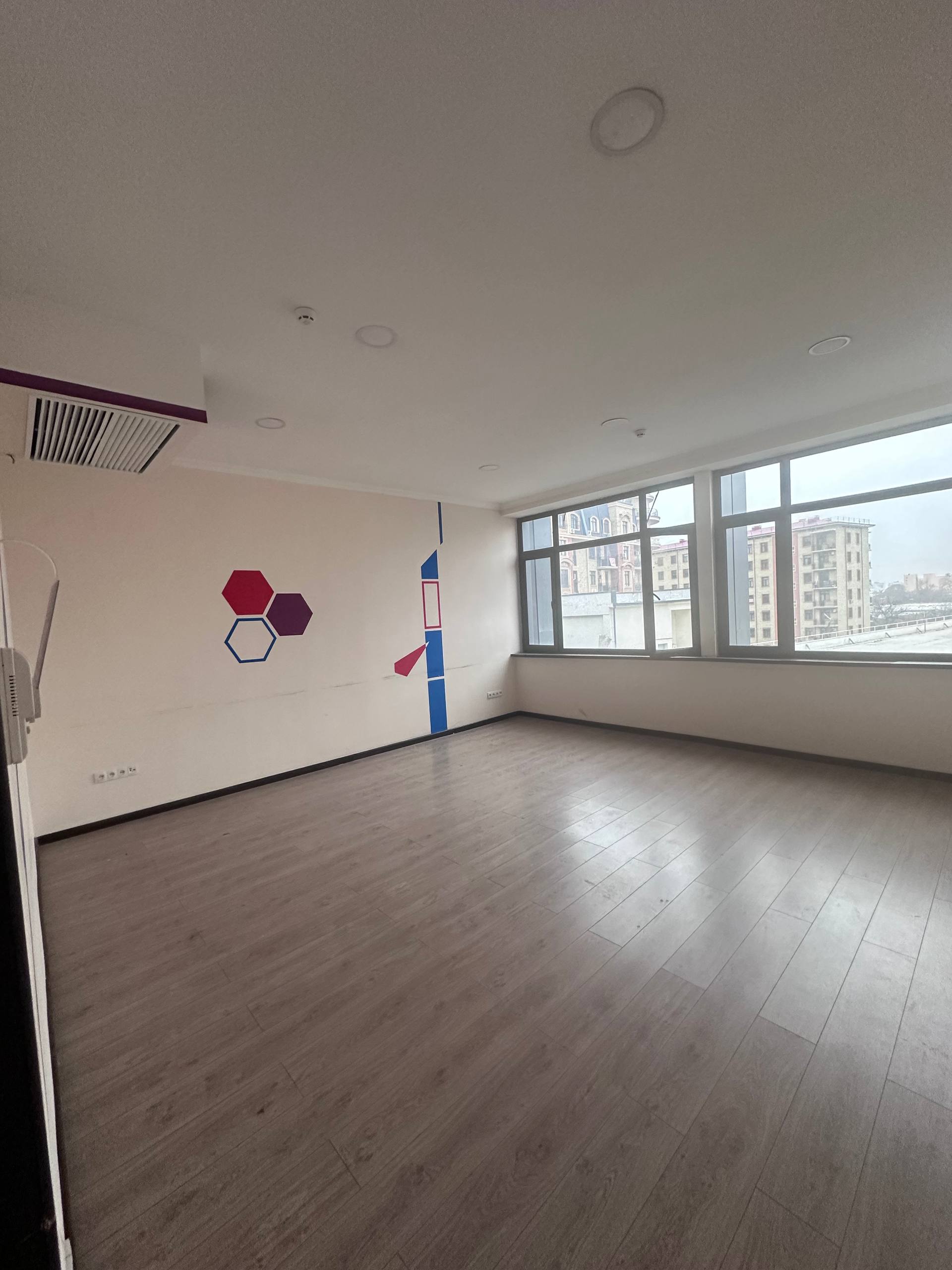
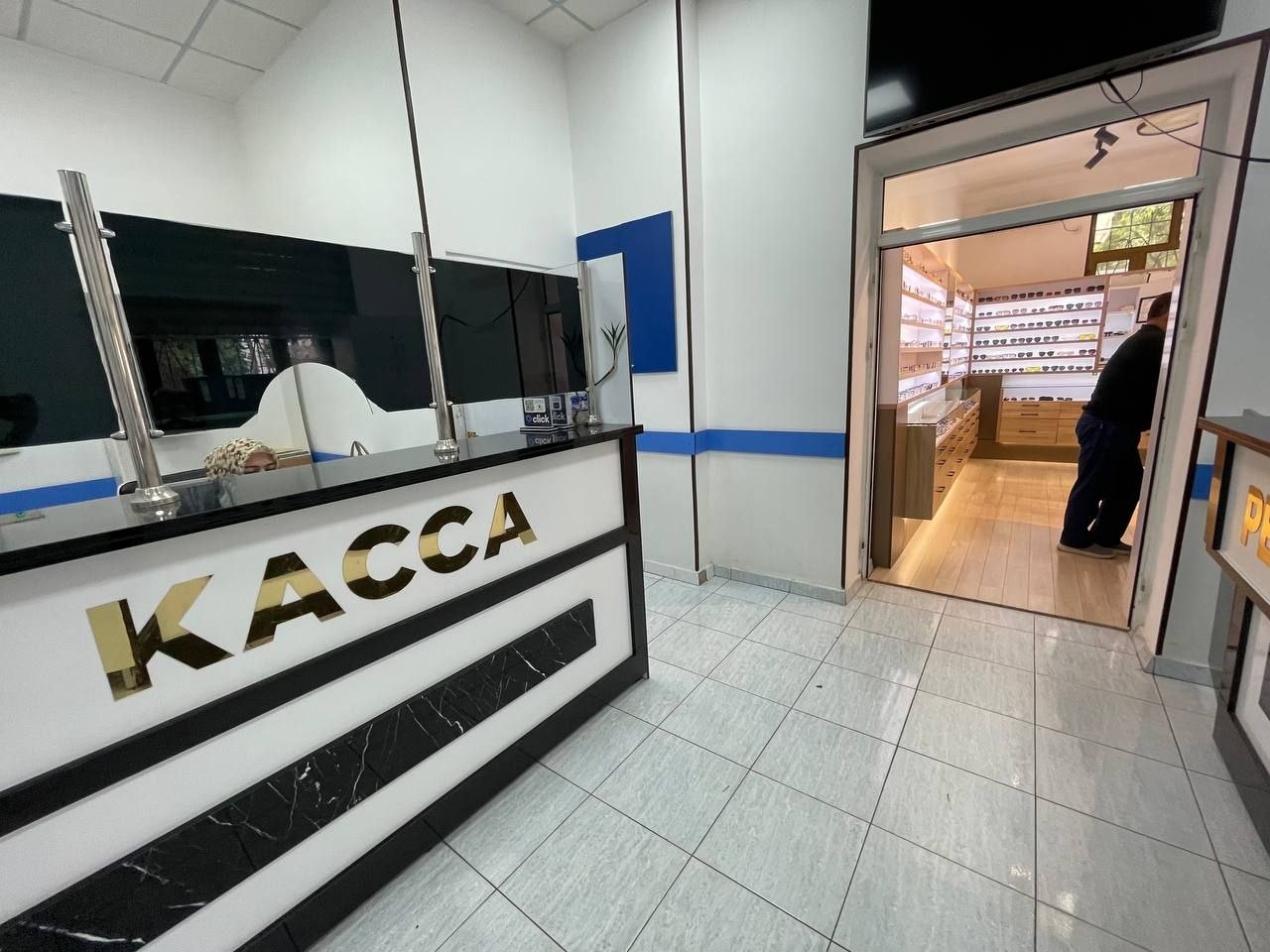
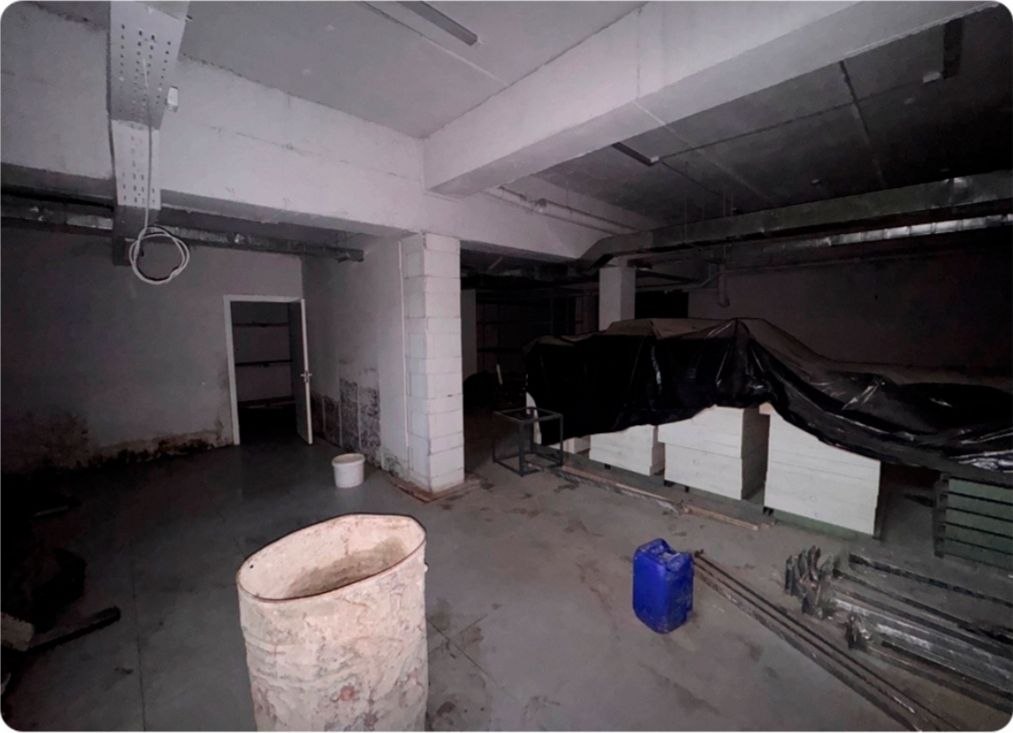
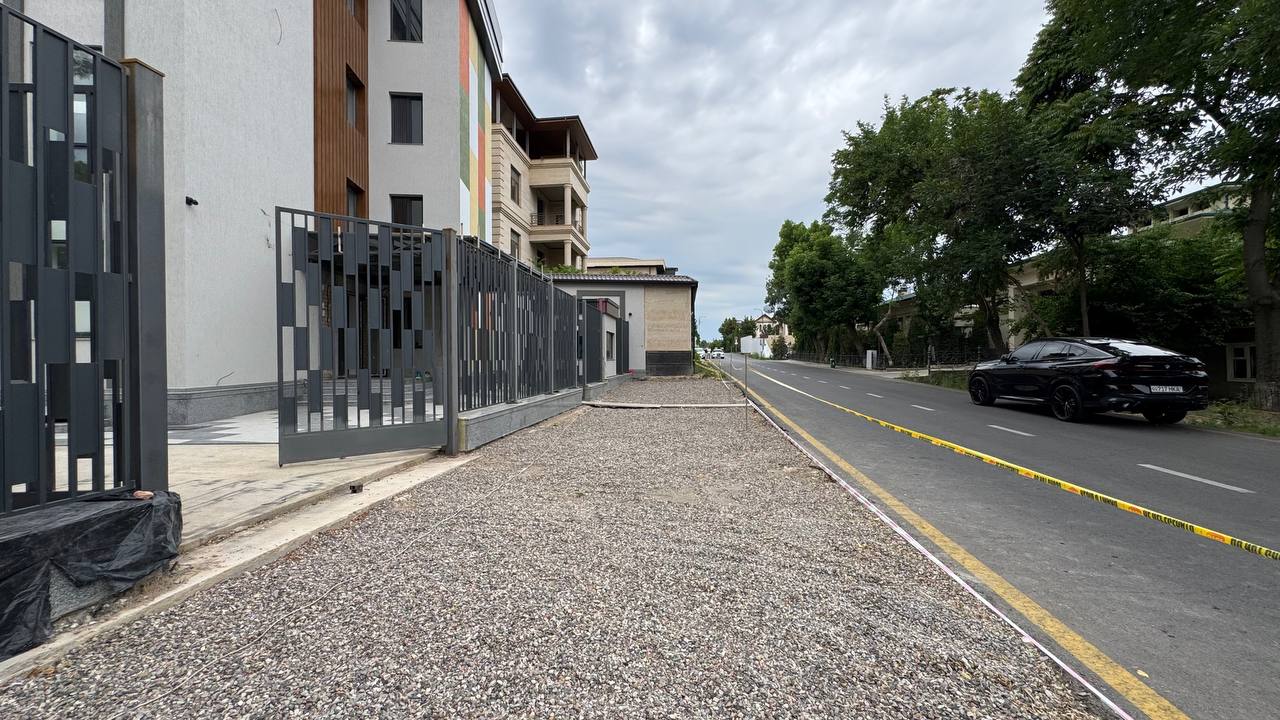
Commercial real estate — Shaykhantokhur district
870 000 conventional units
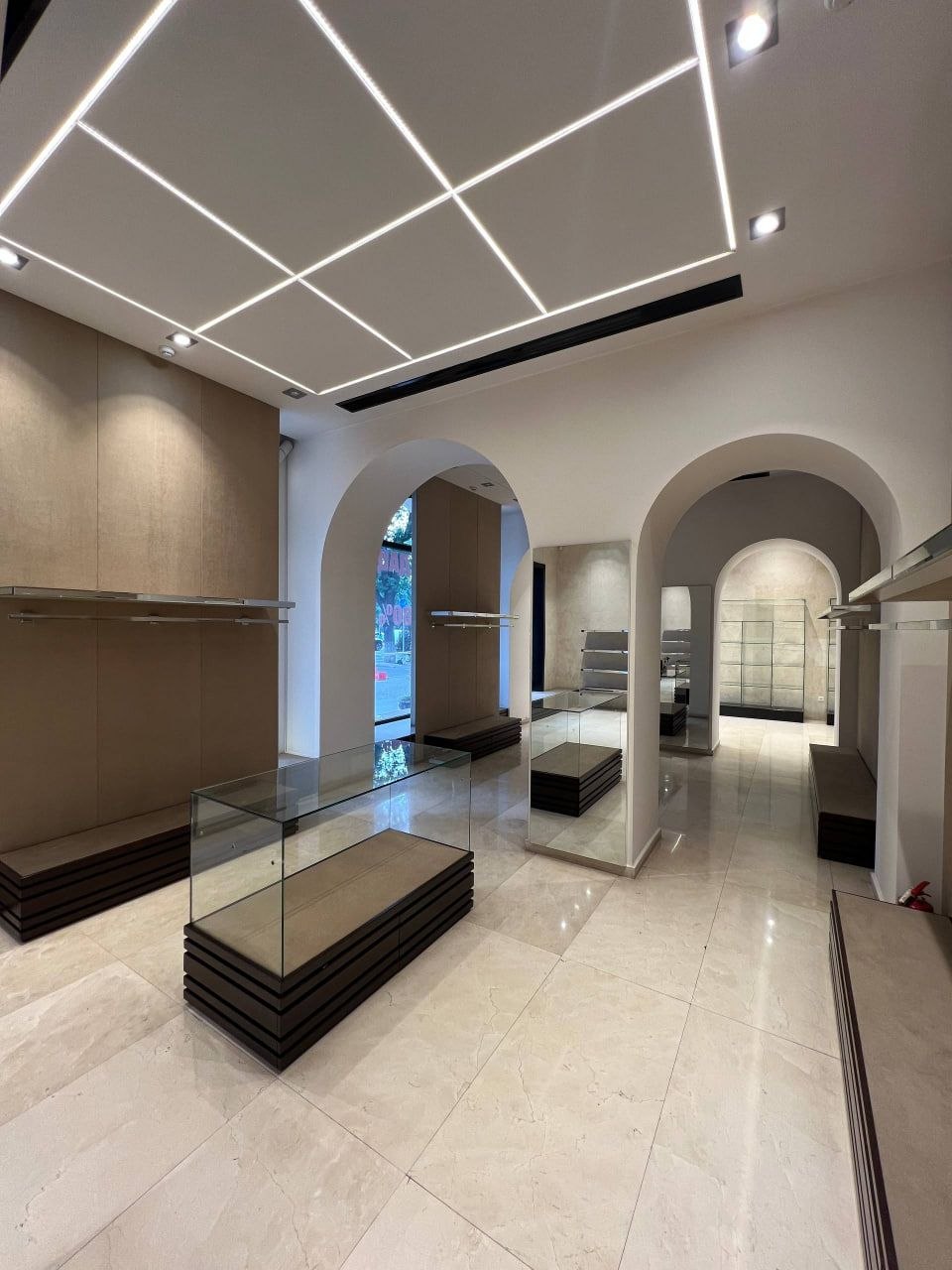
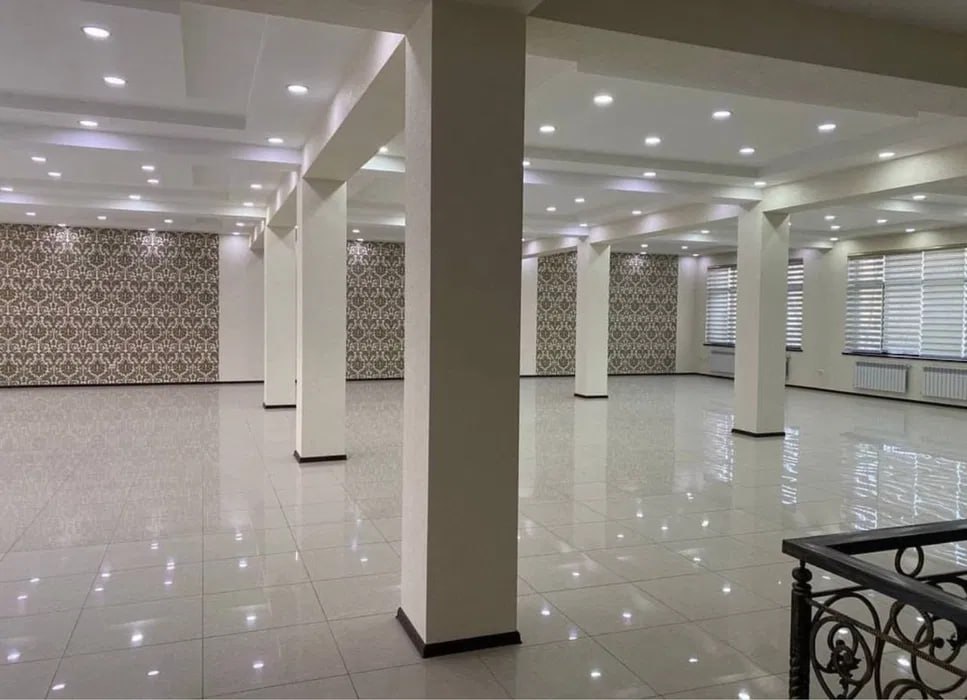
Commercial real estate — Mirzo Ulugbek district
2 000 000 conventional units
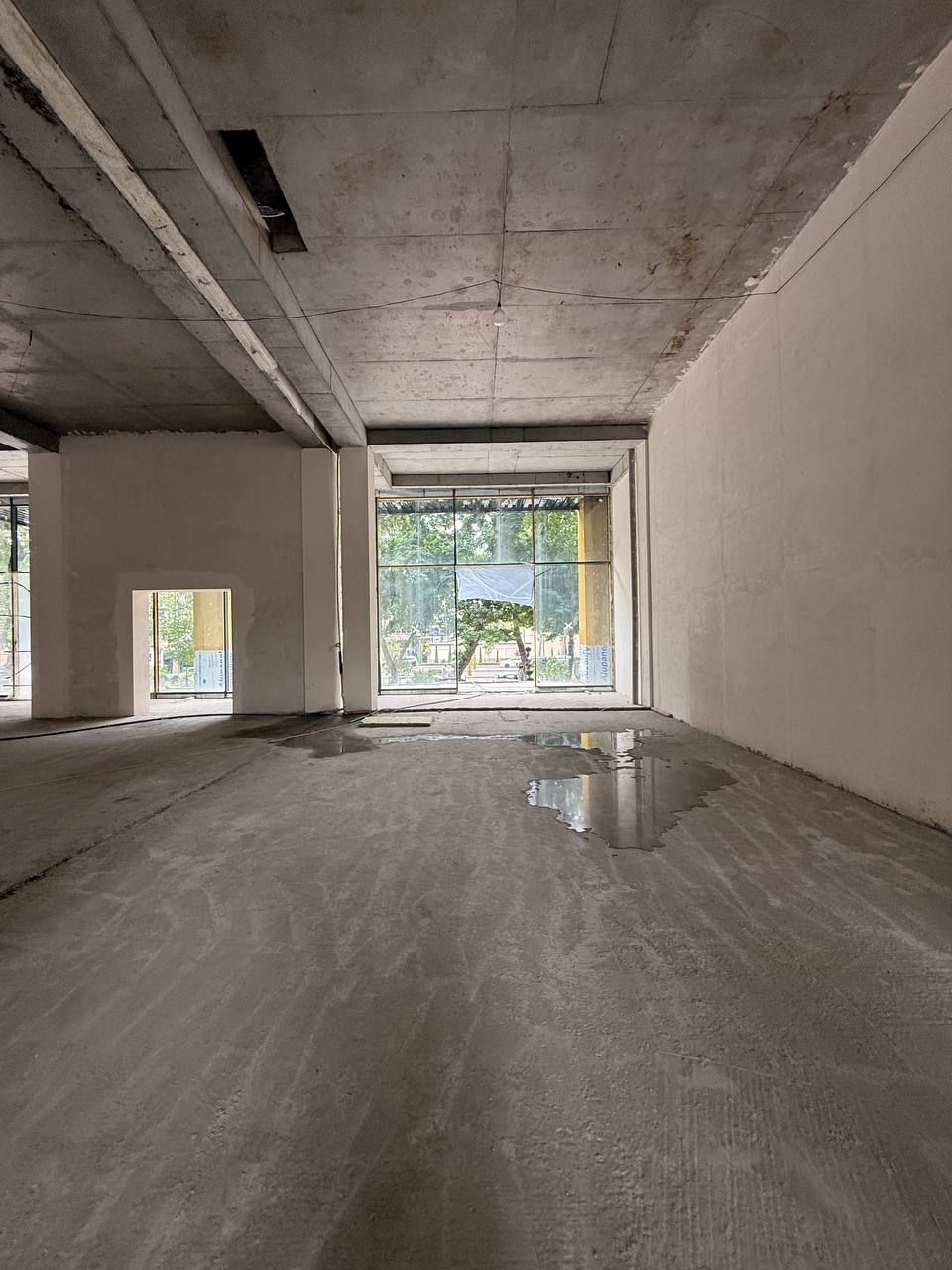
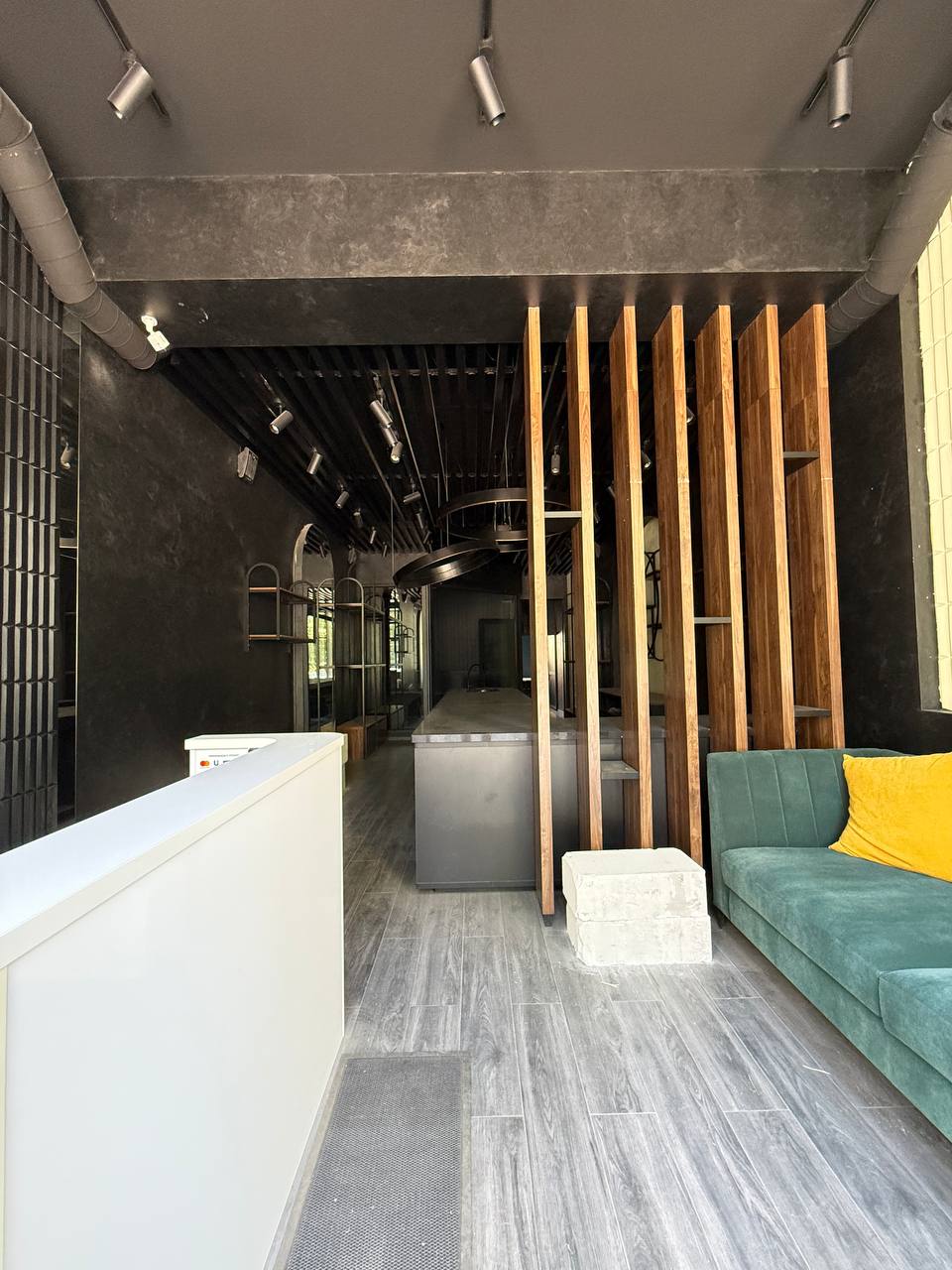
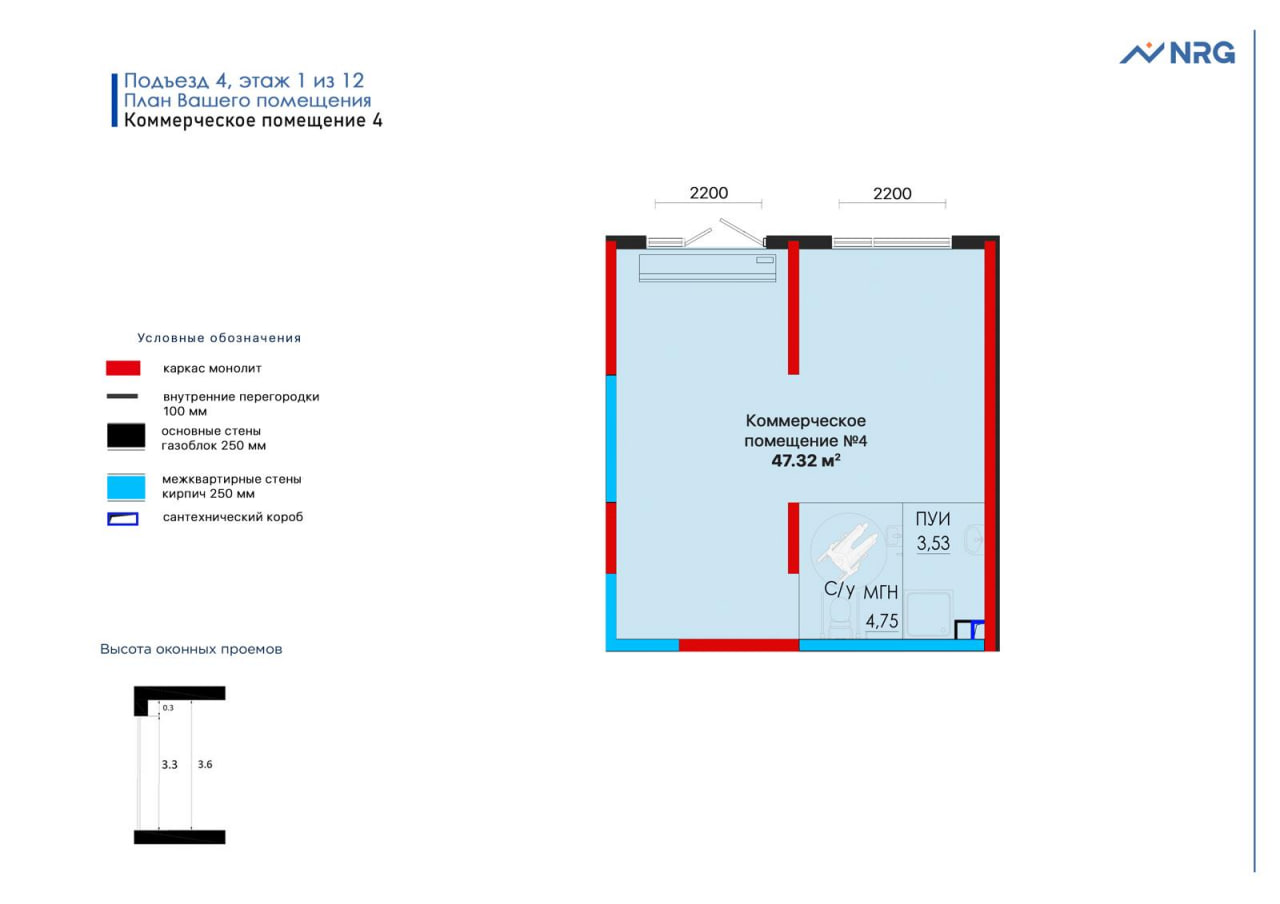
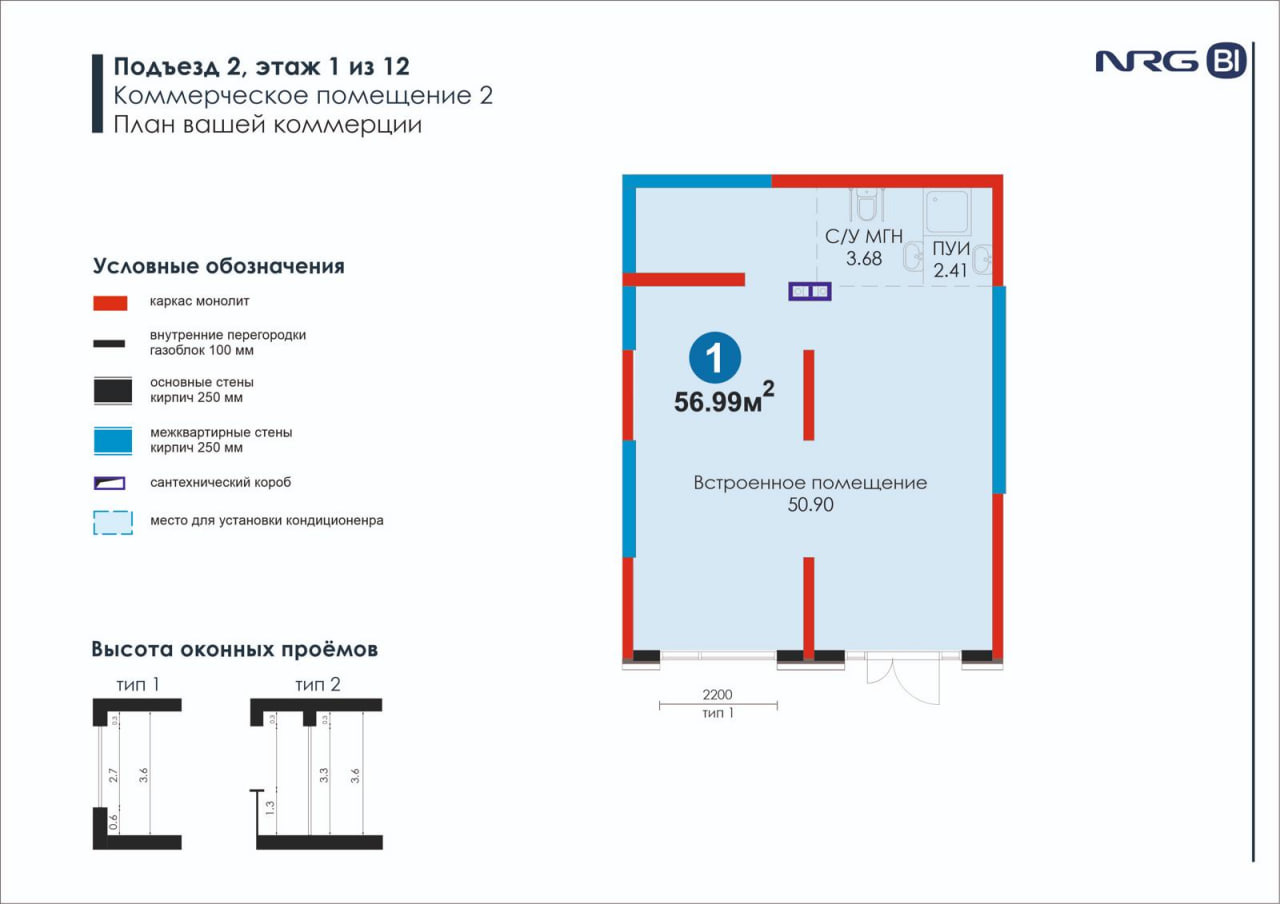
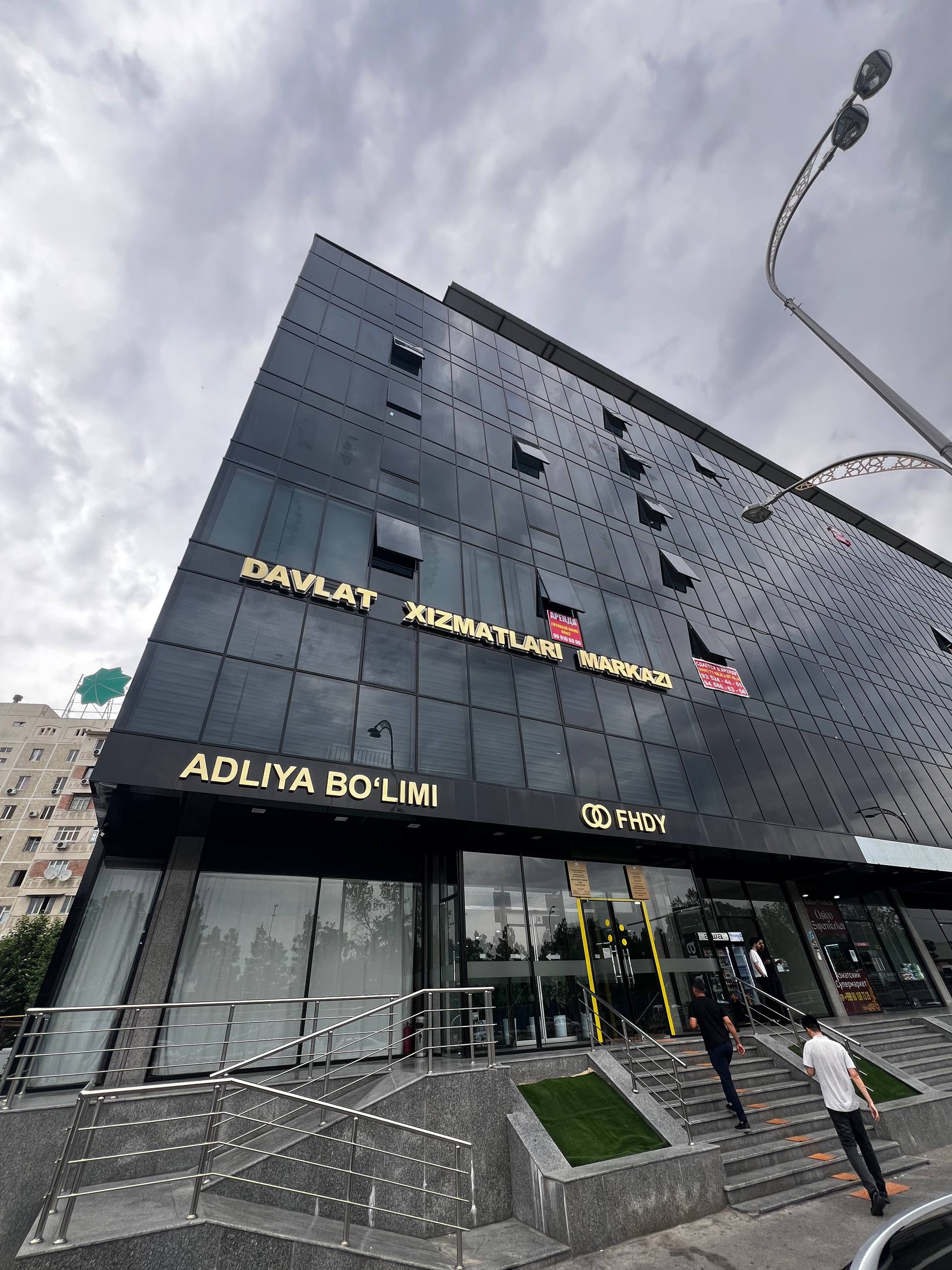
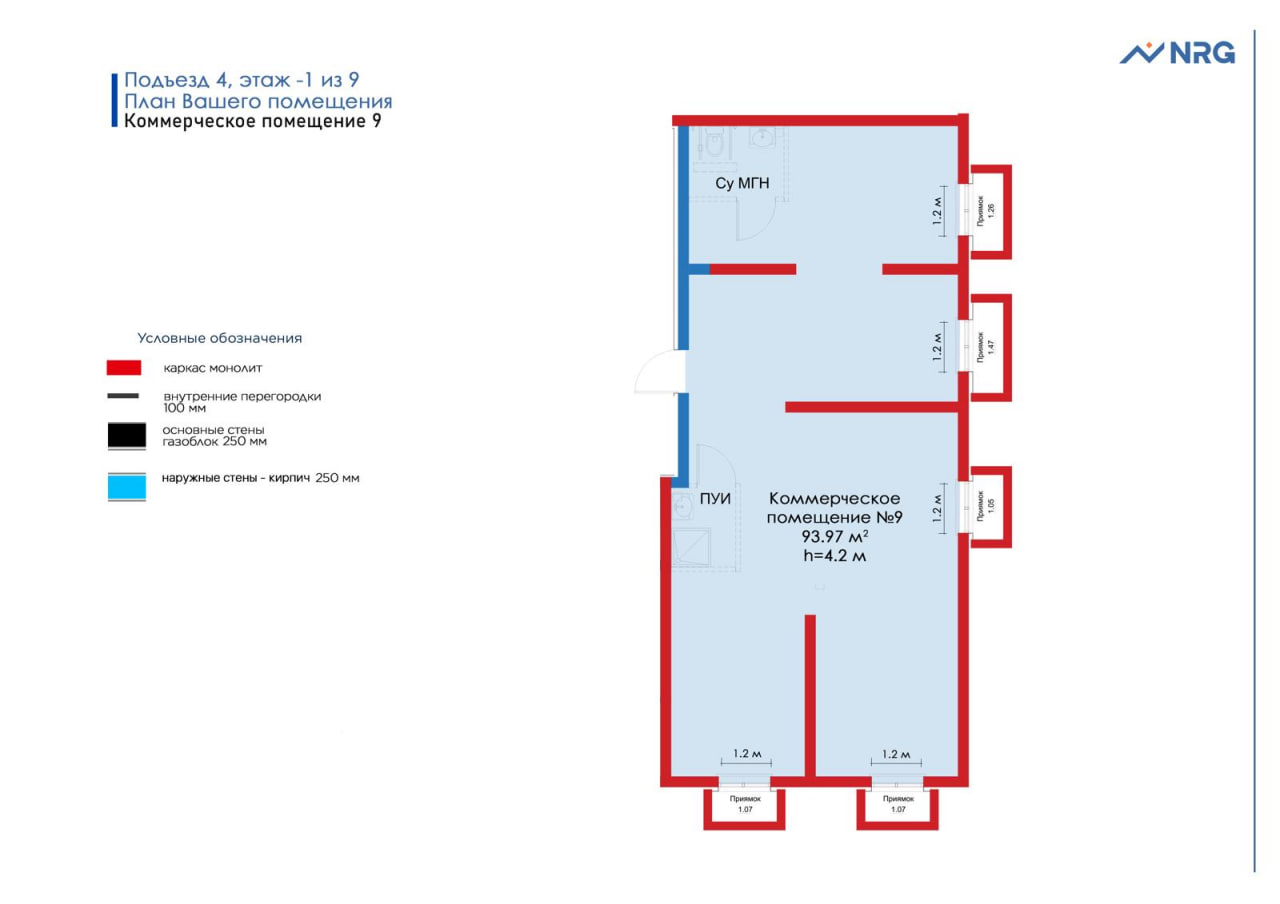
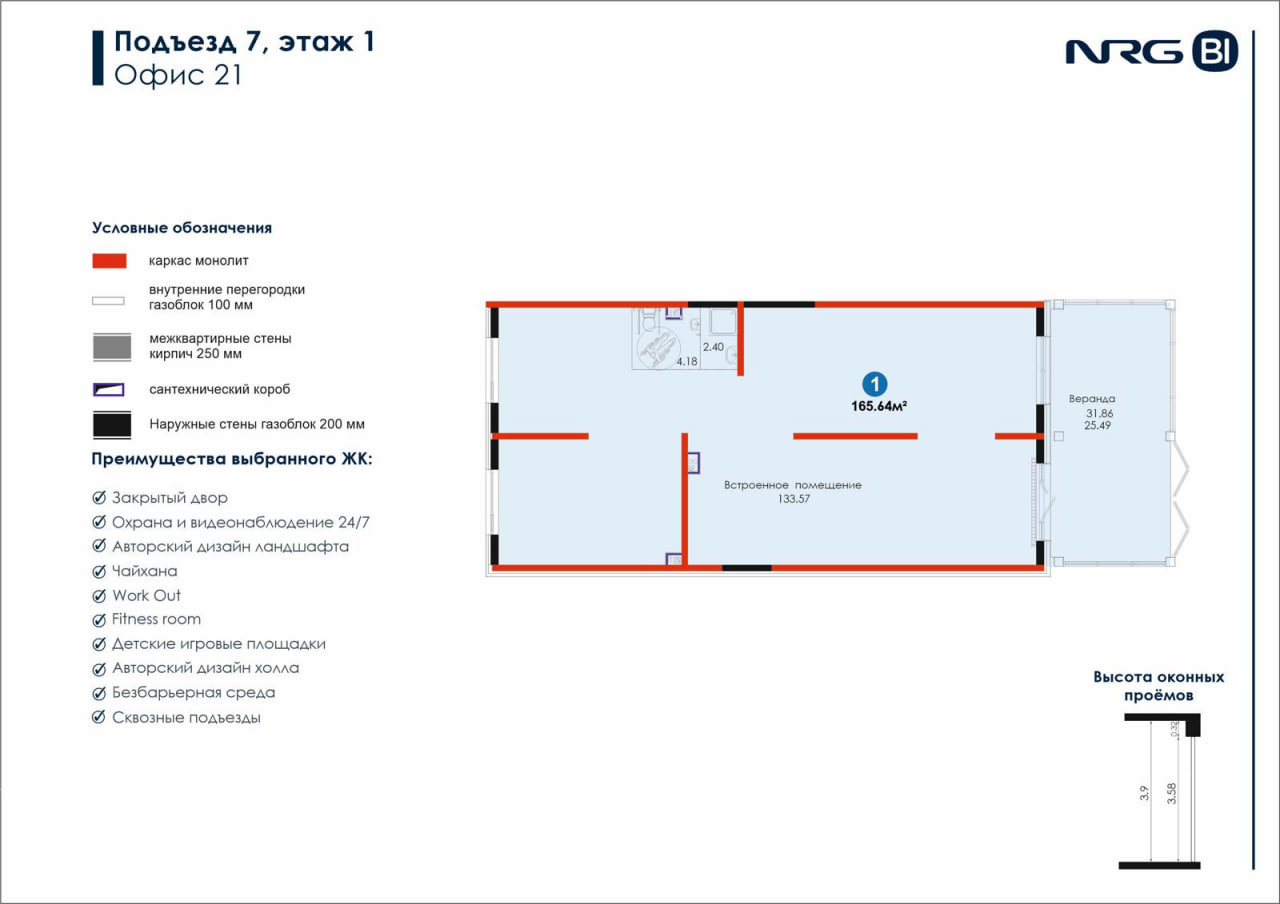
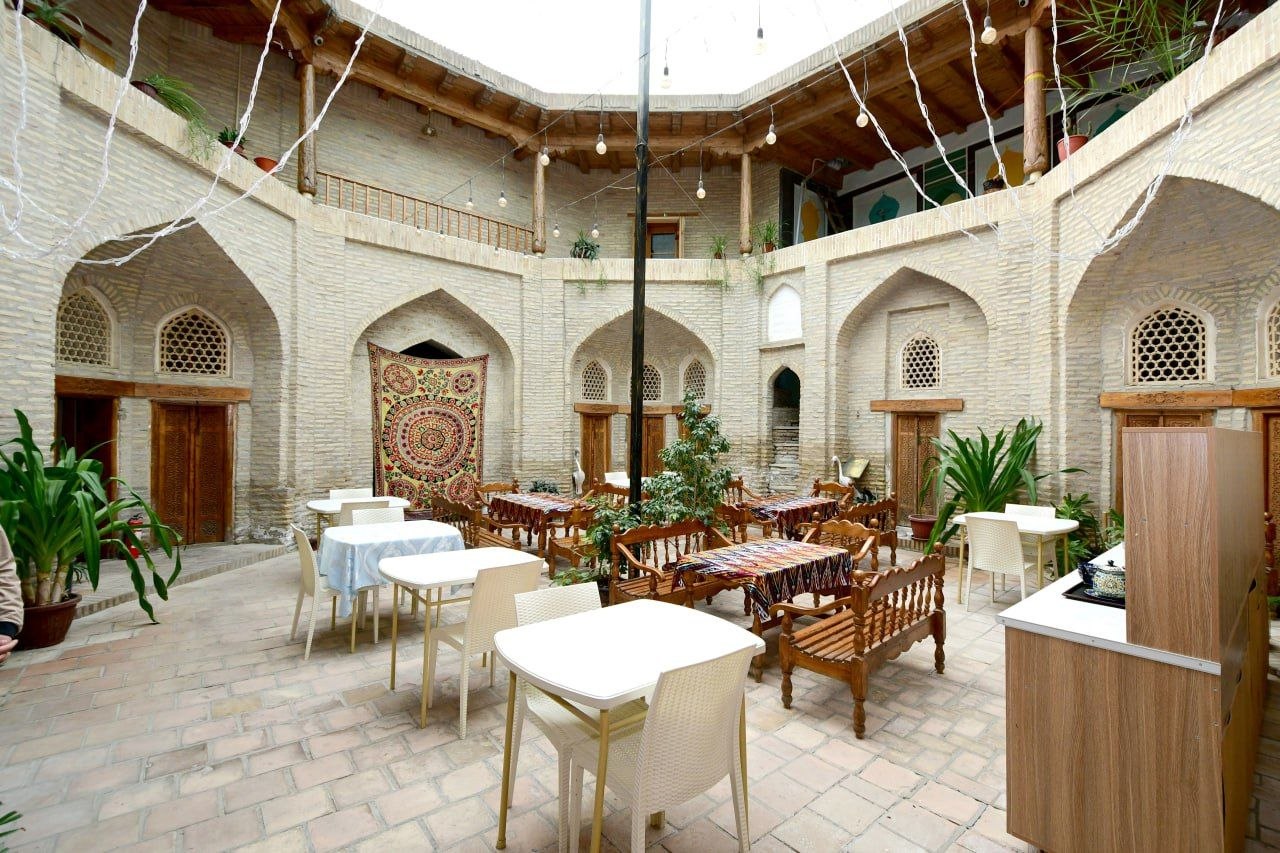
AIST HOTEL — an investment offer in the historic center of Bukhara
460 000 conventional units
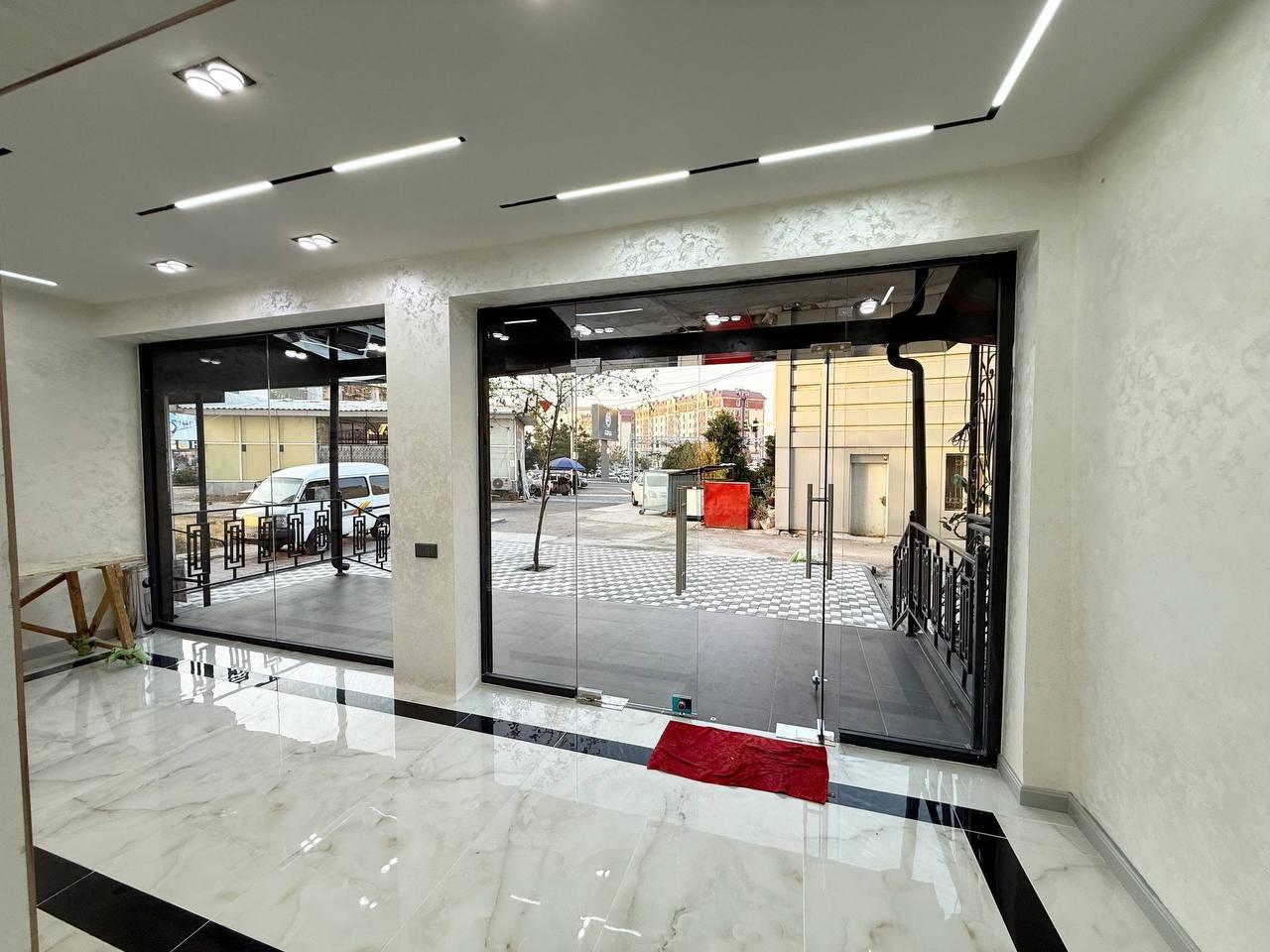
Commercial real estate — Mirzo Ulugbek district
2 500 conventional units
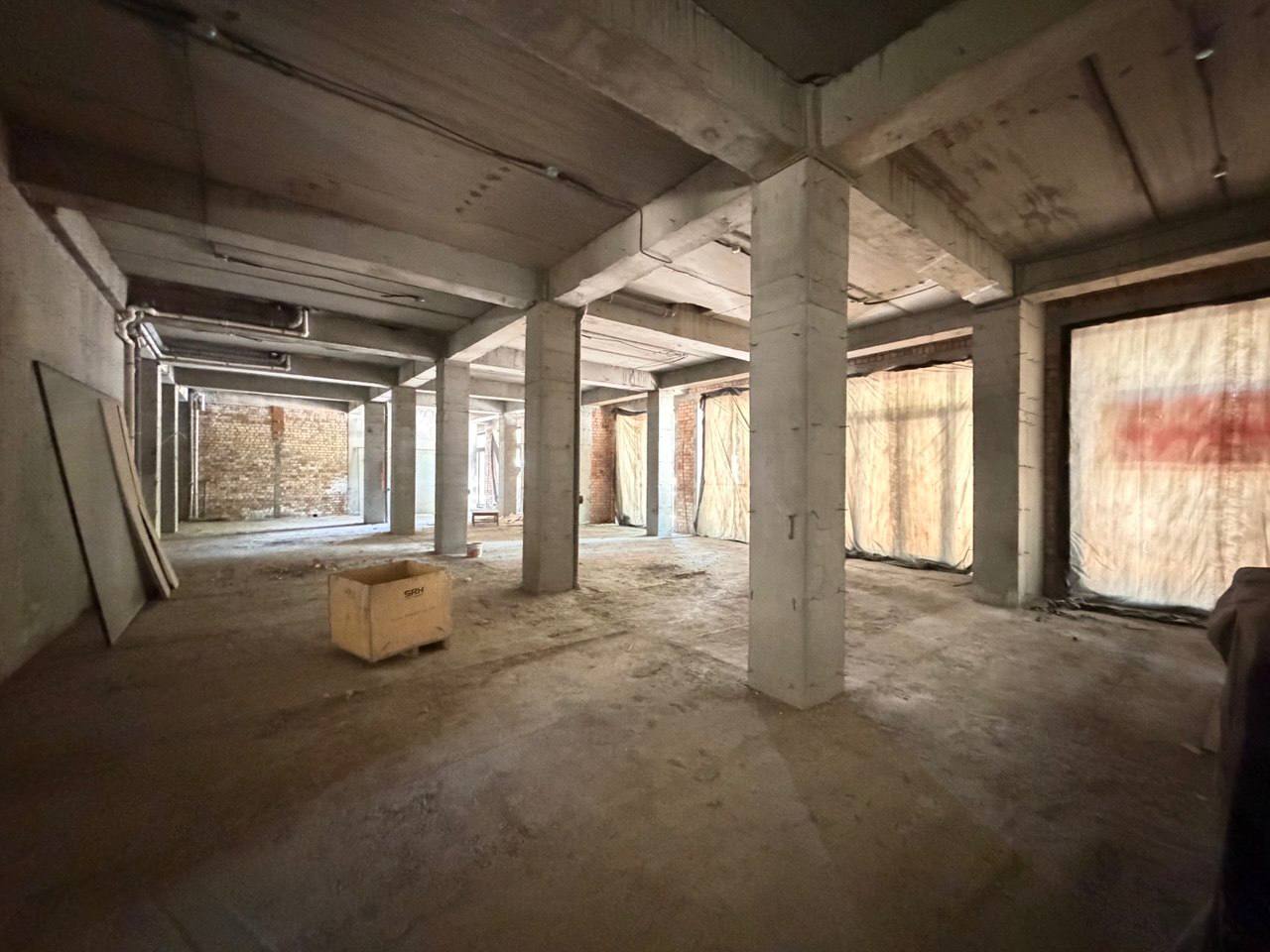
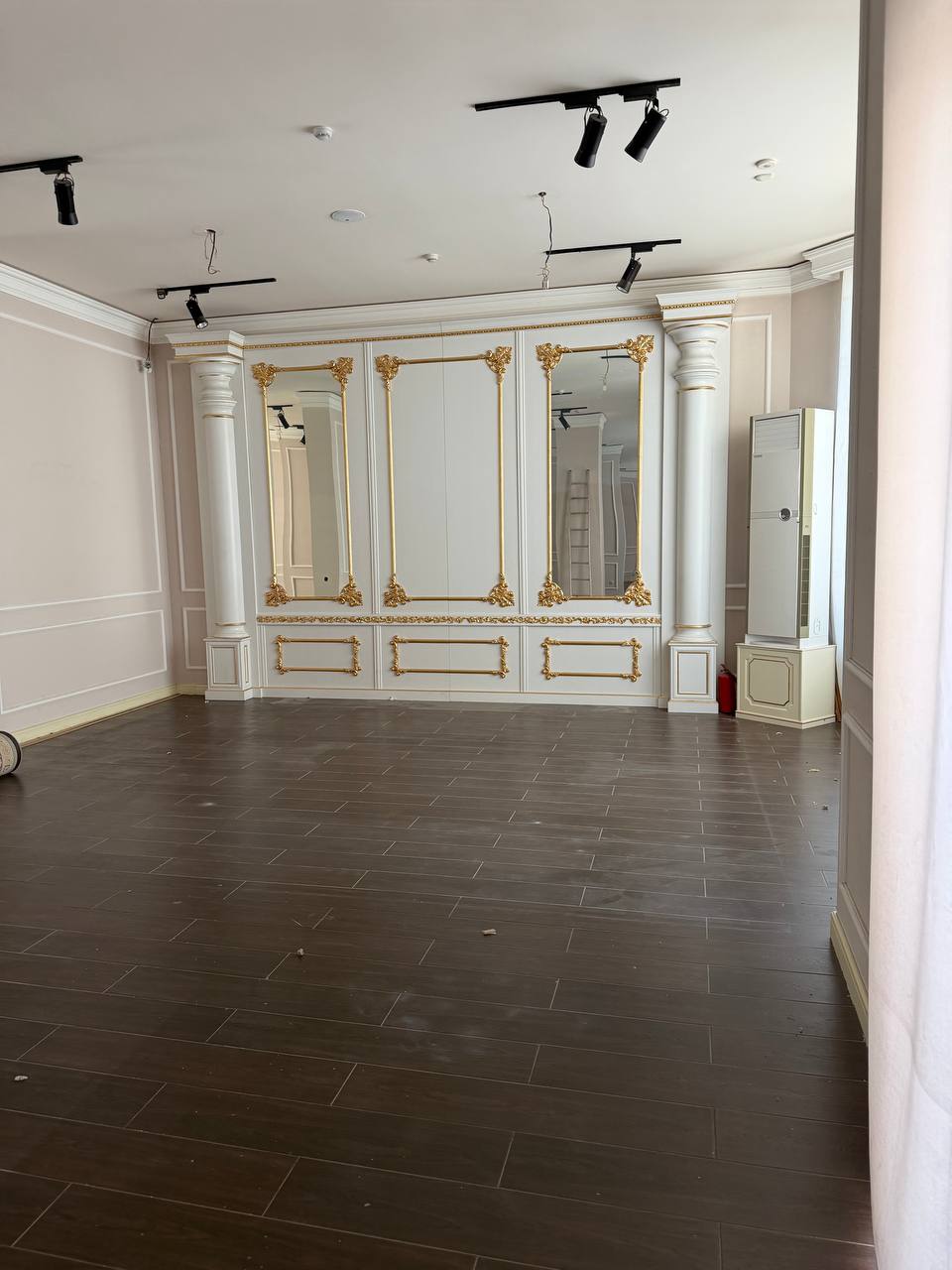
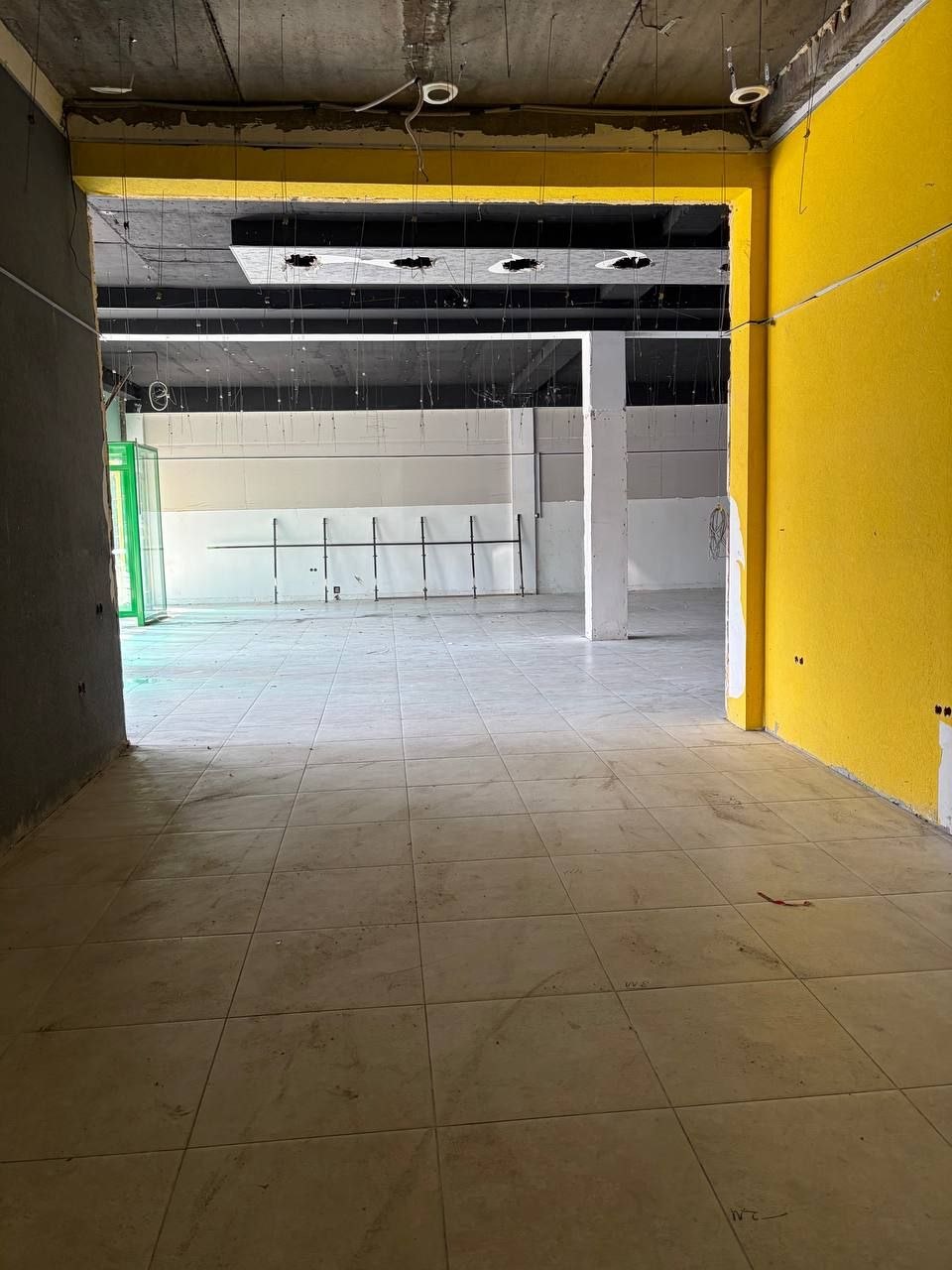
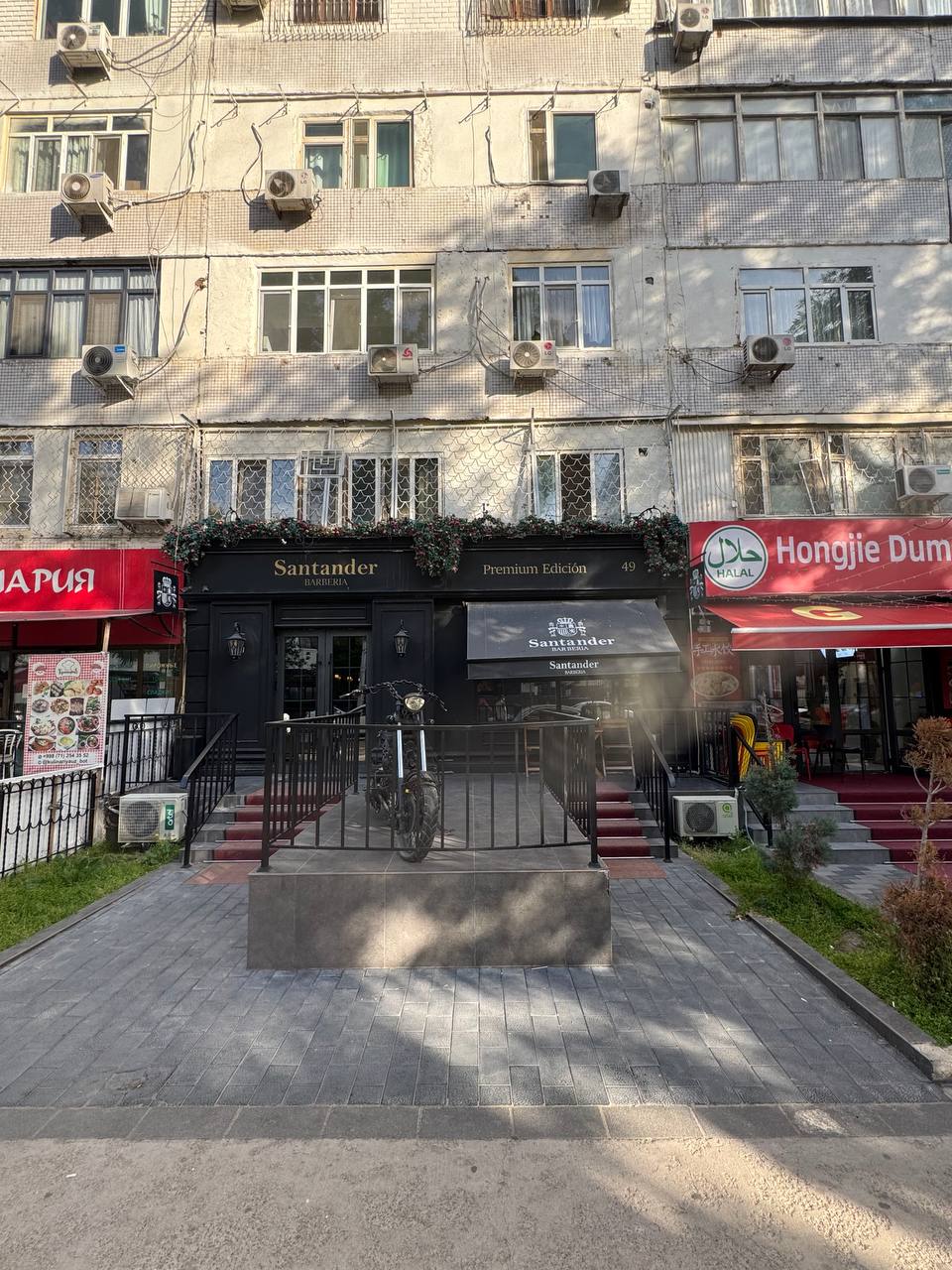
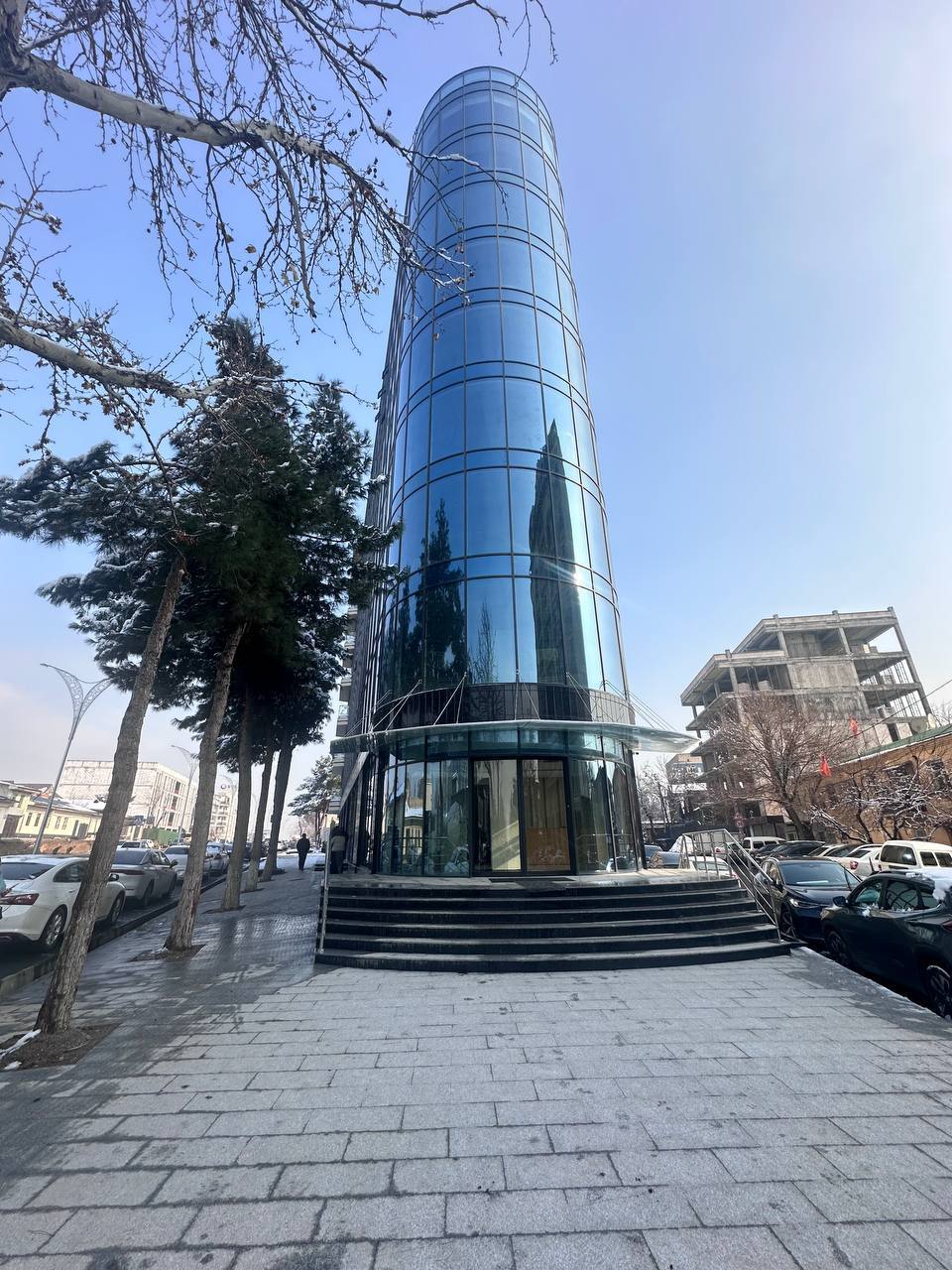
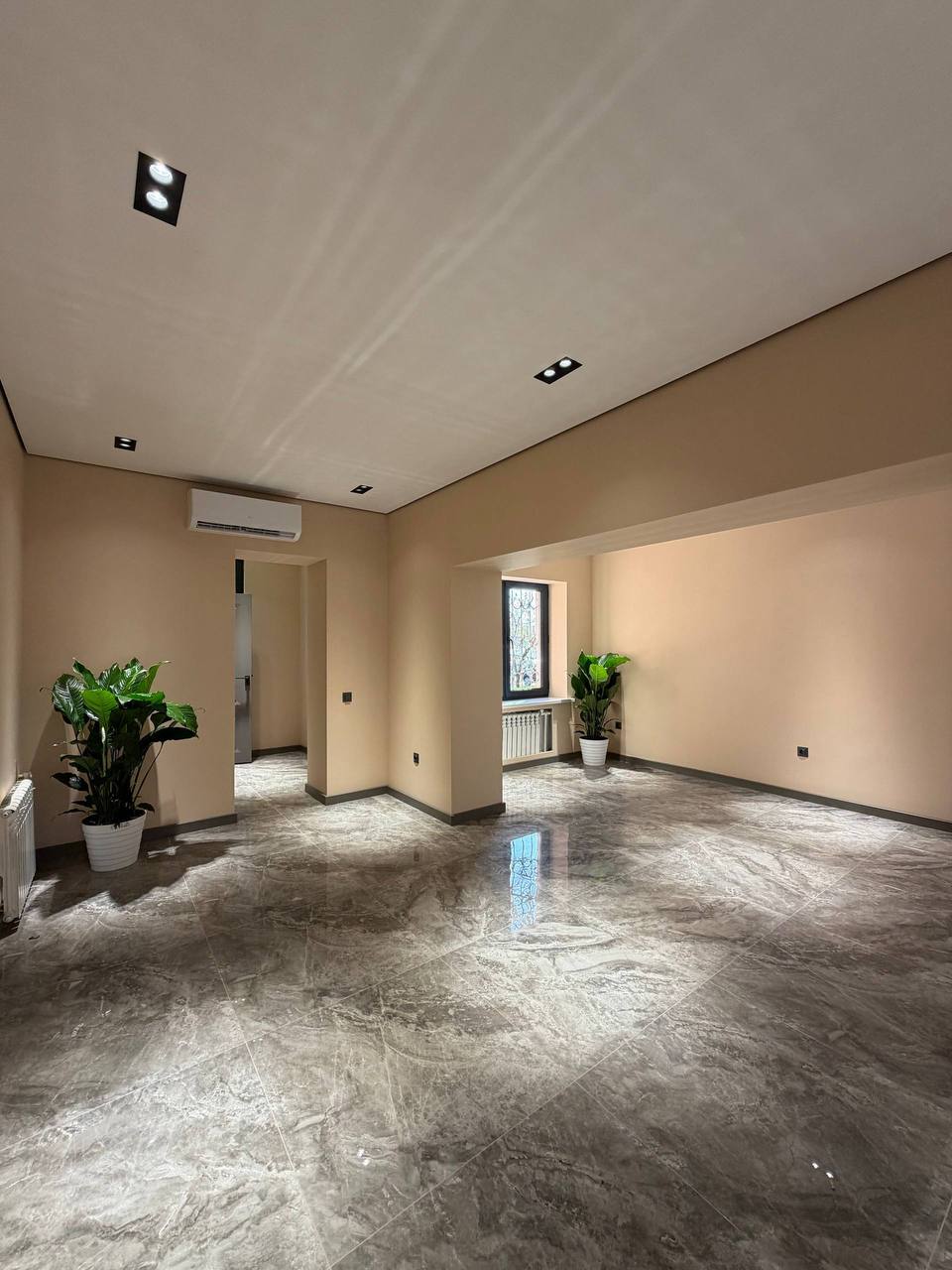
Commercial premises for sale (non-residential) on Chekhov
535 000 conventional units
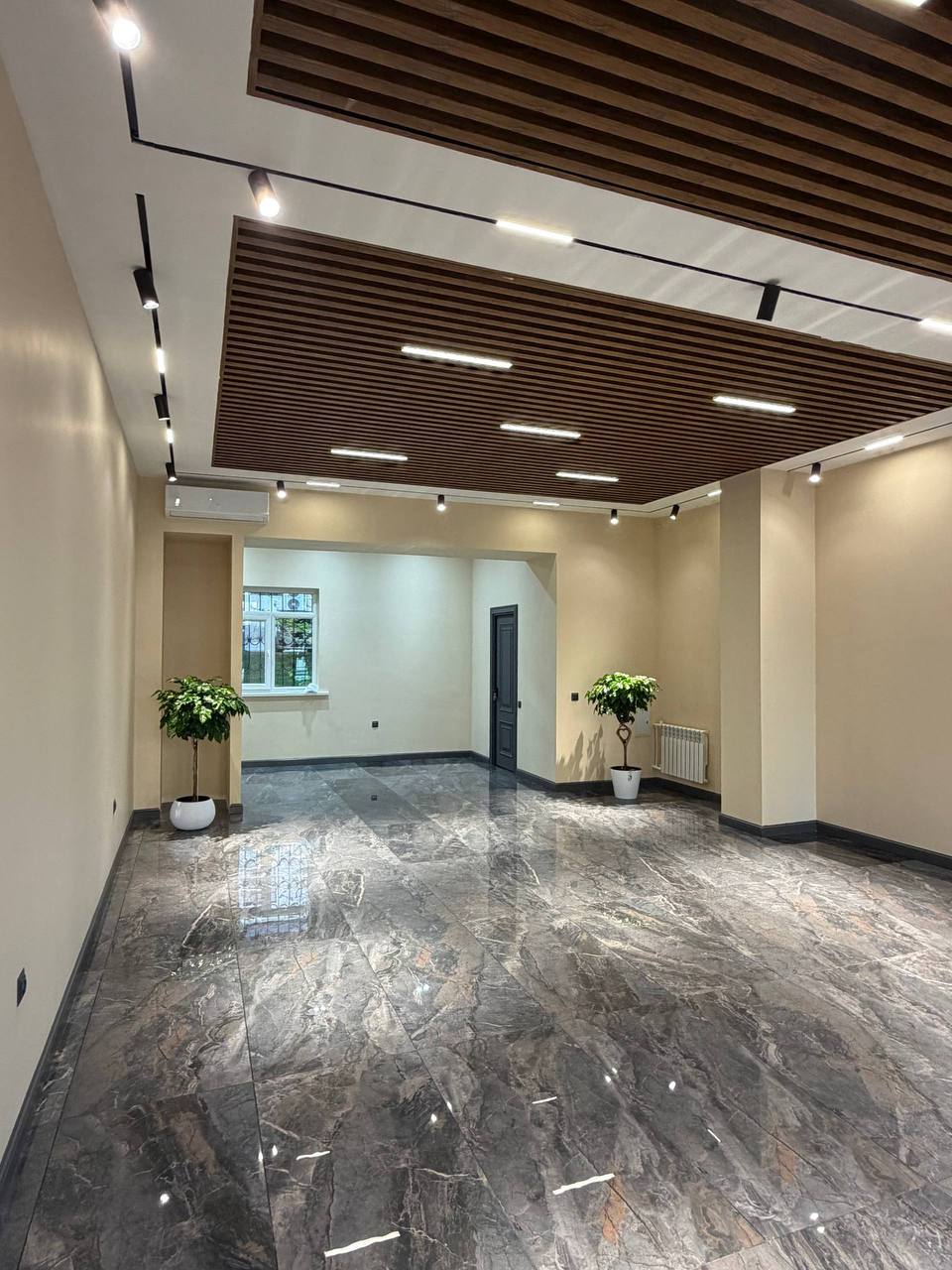
Commercial premises for sale on Shota Rustaveli
240 000 conventional units
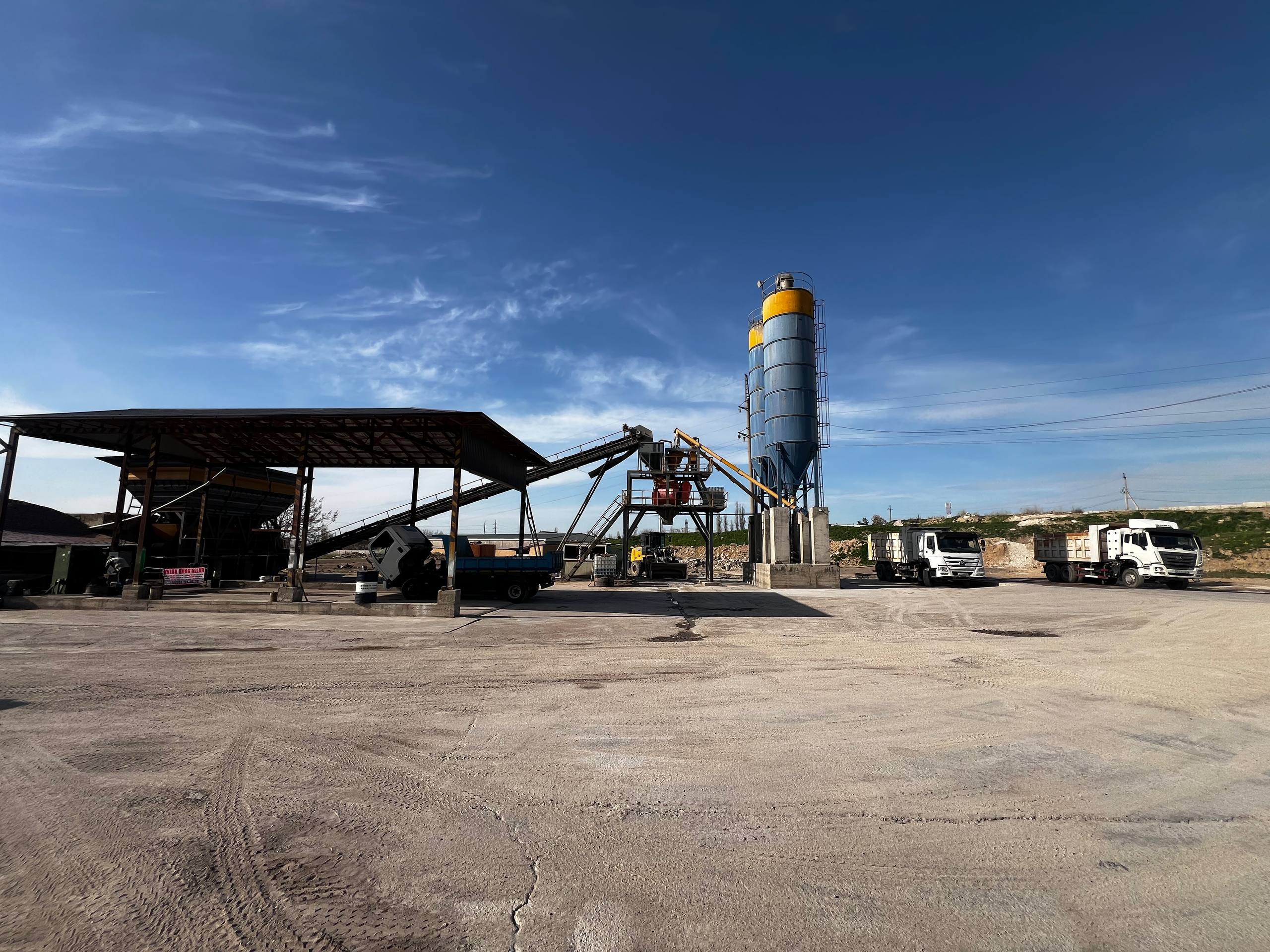
Base in Kibray, ready business — cement production
13 000 conventional units
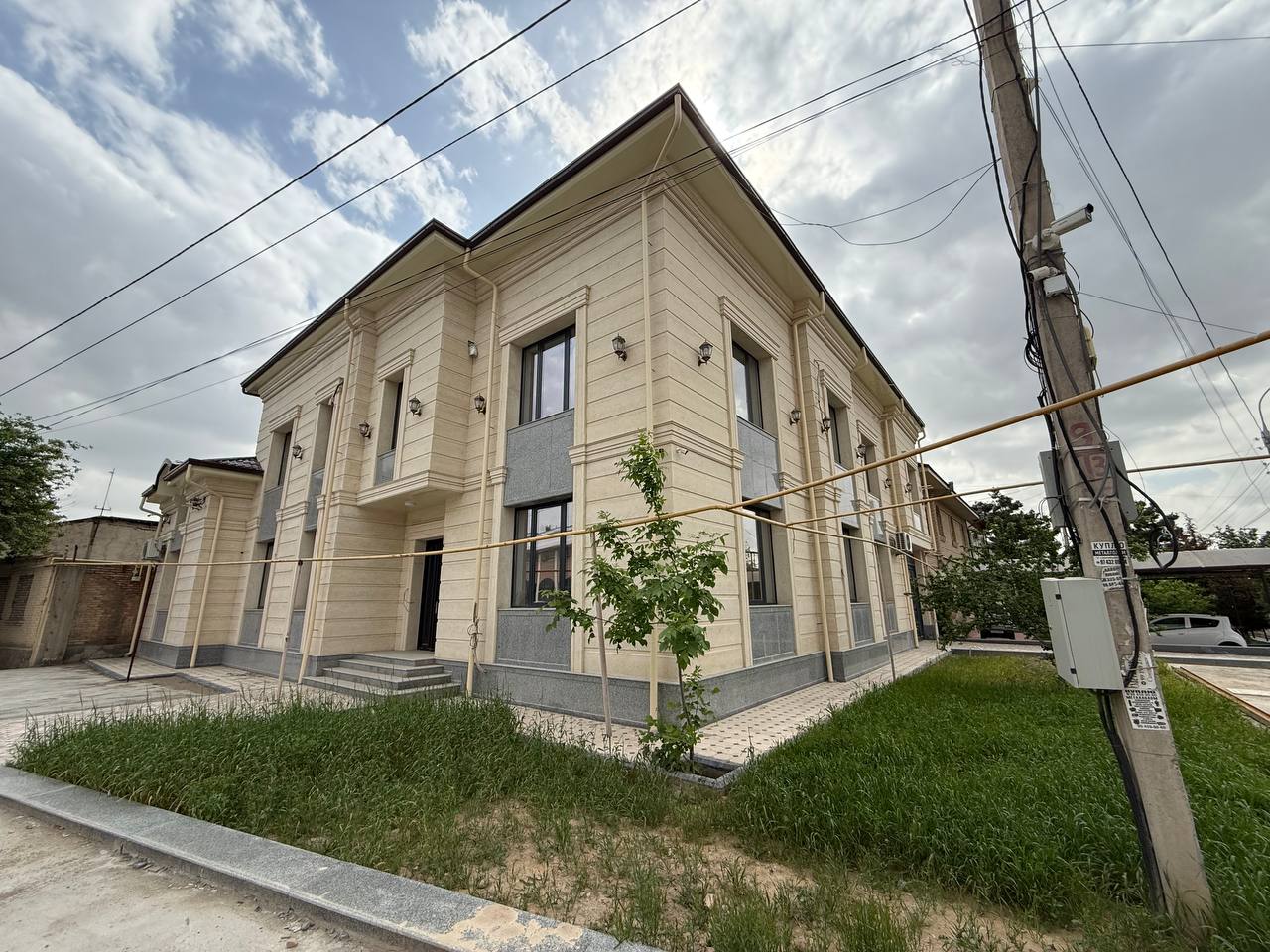
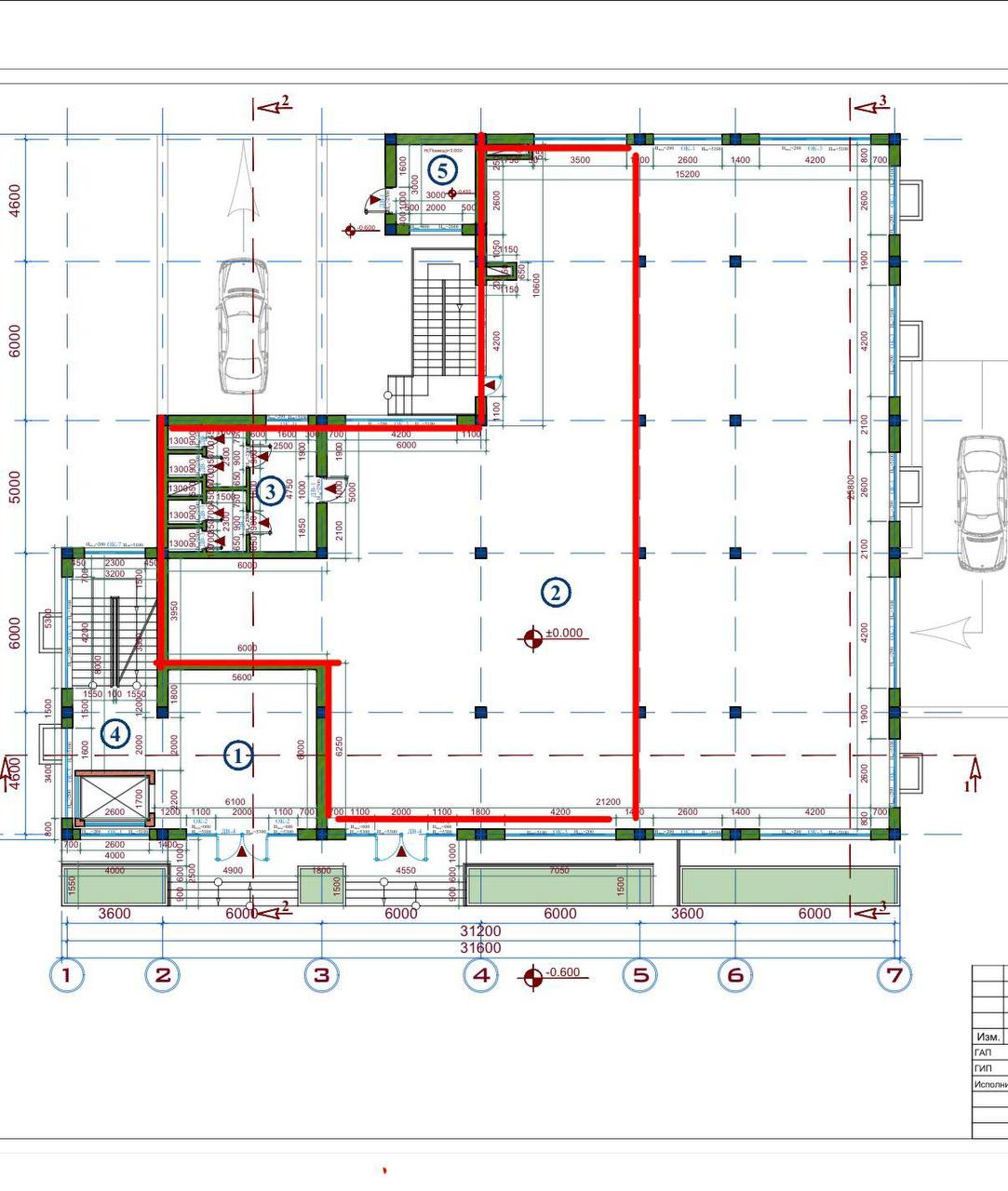
Commercial premises for rent on the first line of Sairam
25 conventional units
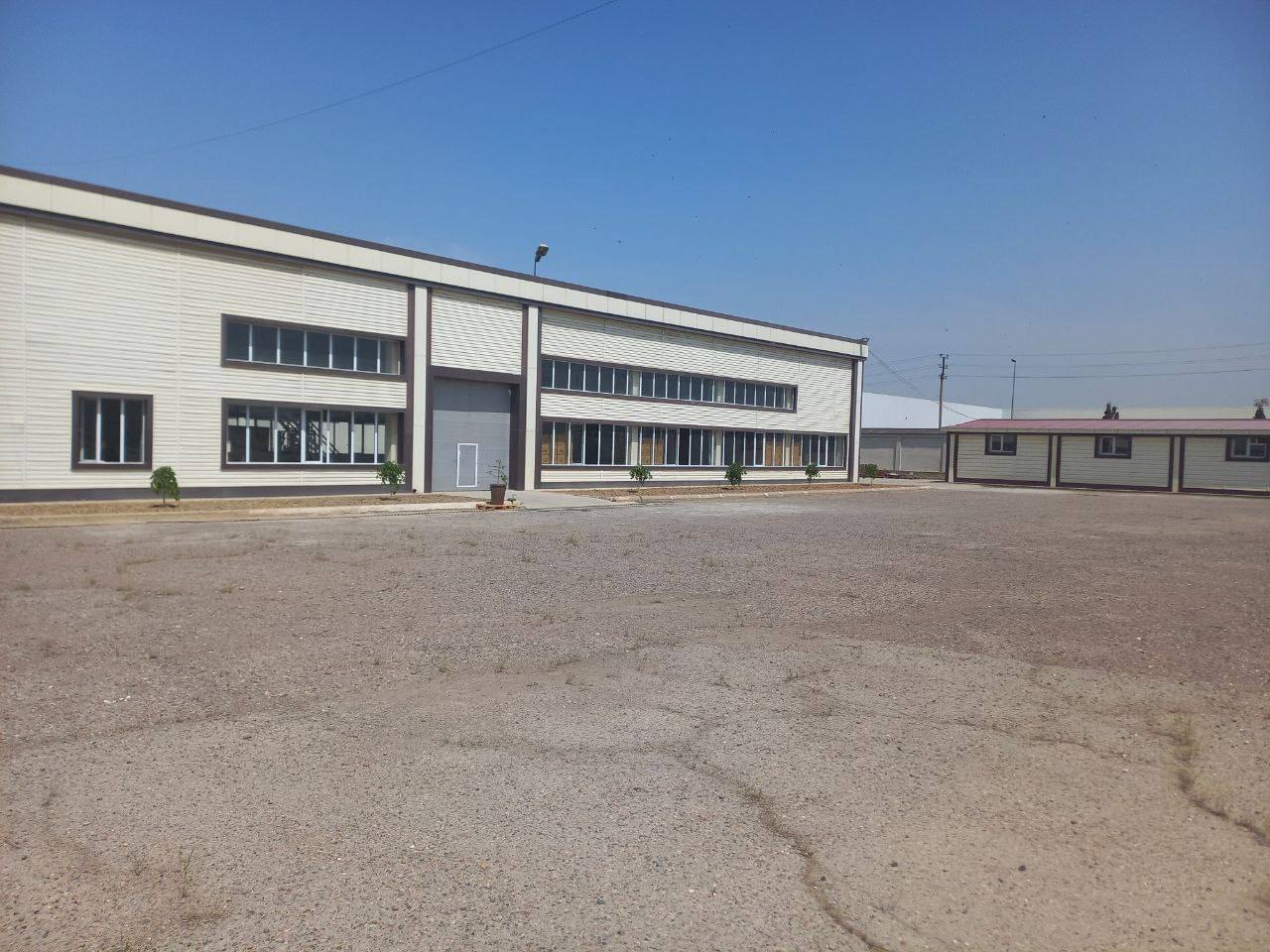
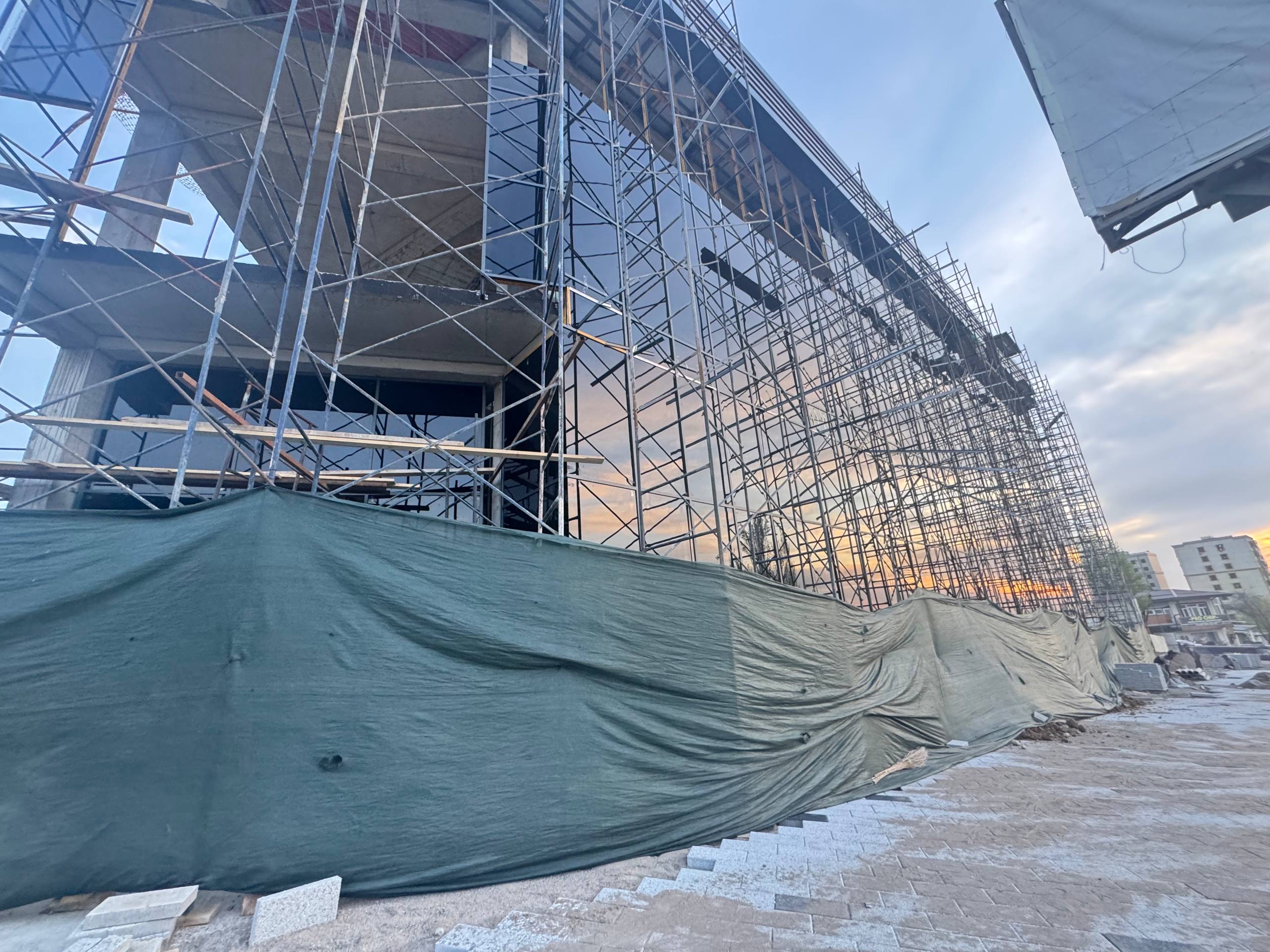
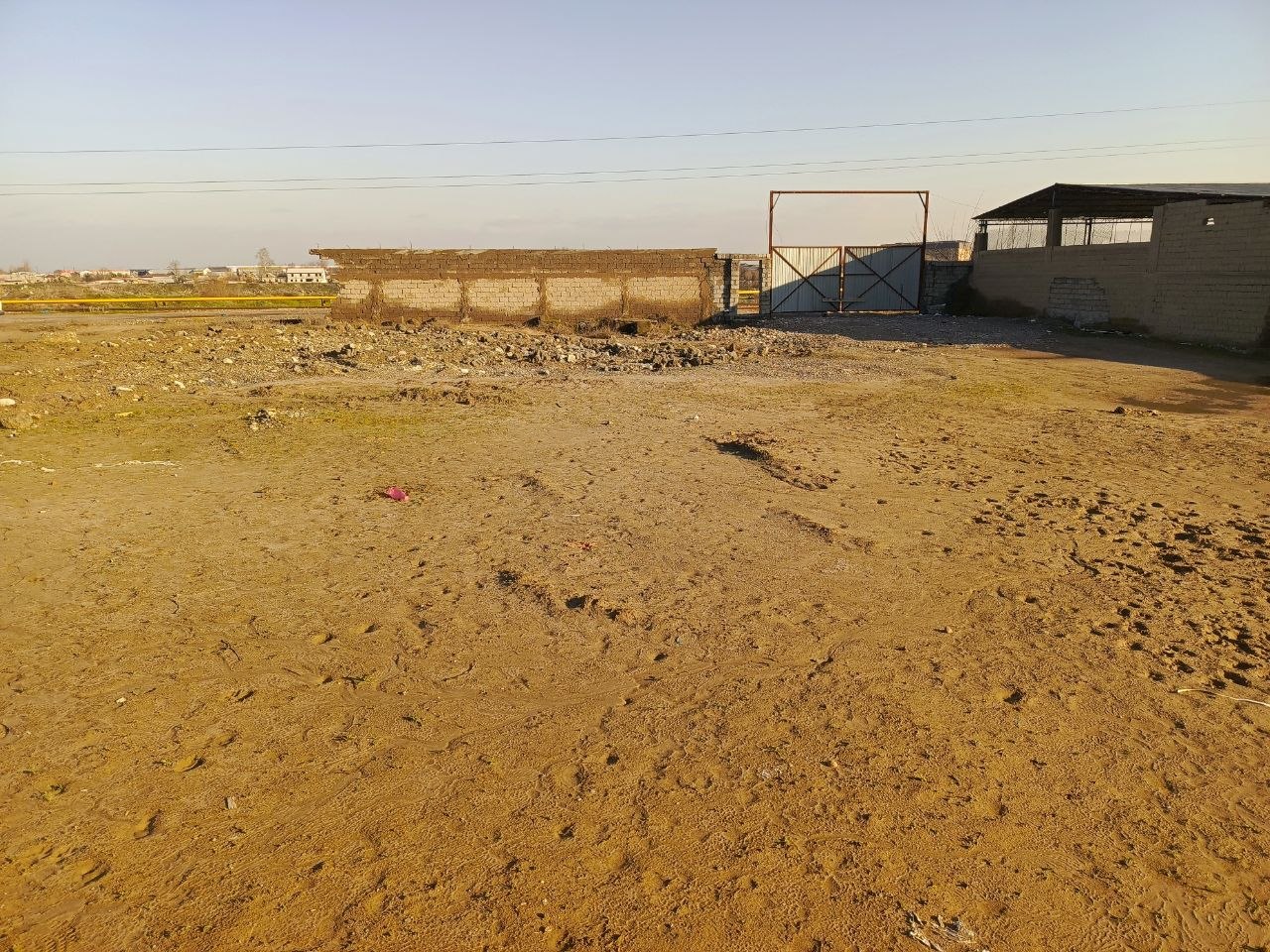
Commercial land for sale in Tashkent — a 2.6 ha industrial-purpose plot in the Yangi-Hayot district
13 000 conventional units / sotka
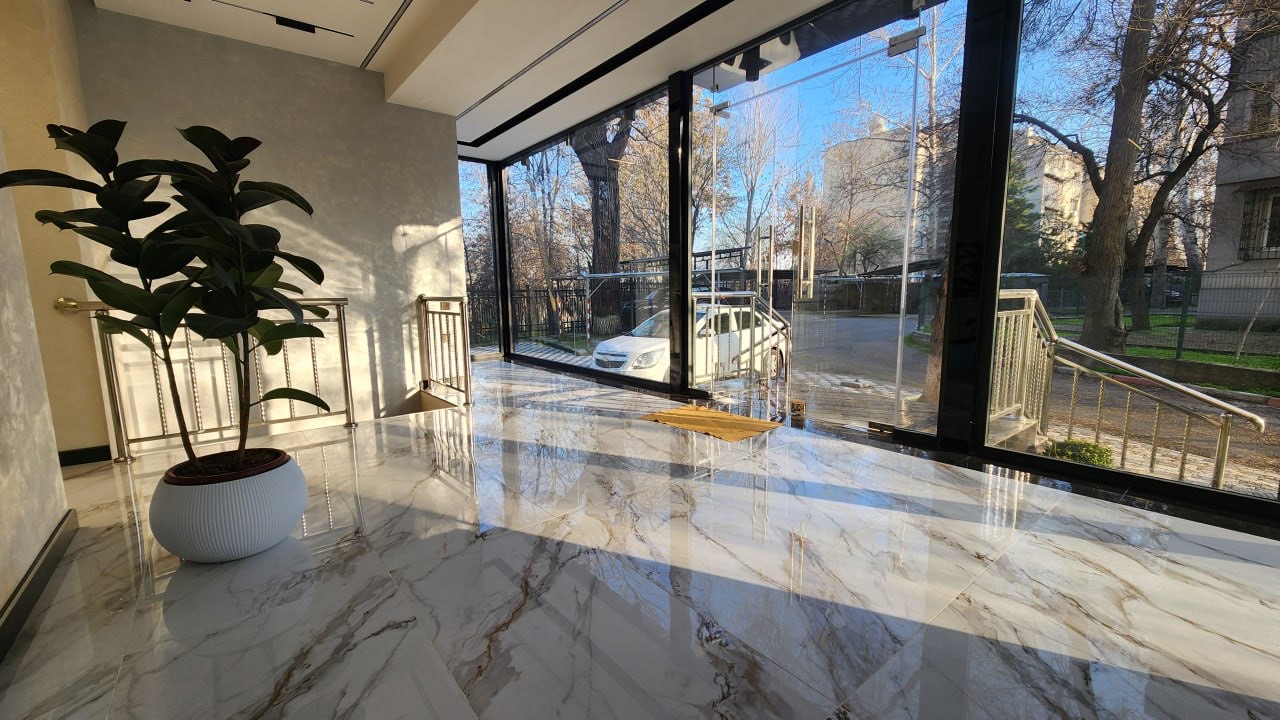
C-1 Commercial Space 102 m² for Any Business, 1st Floor
239 000 conventional units
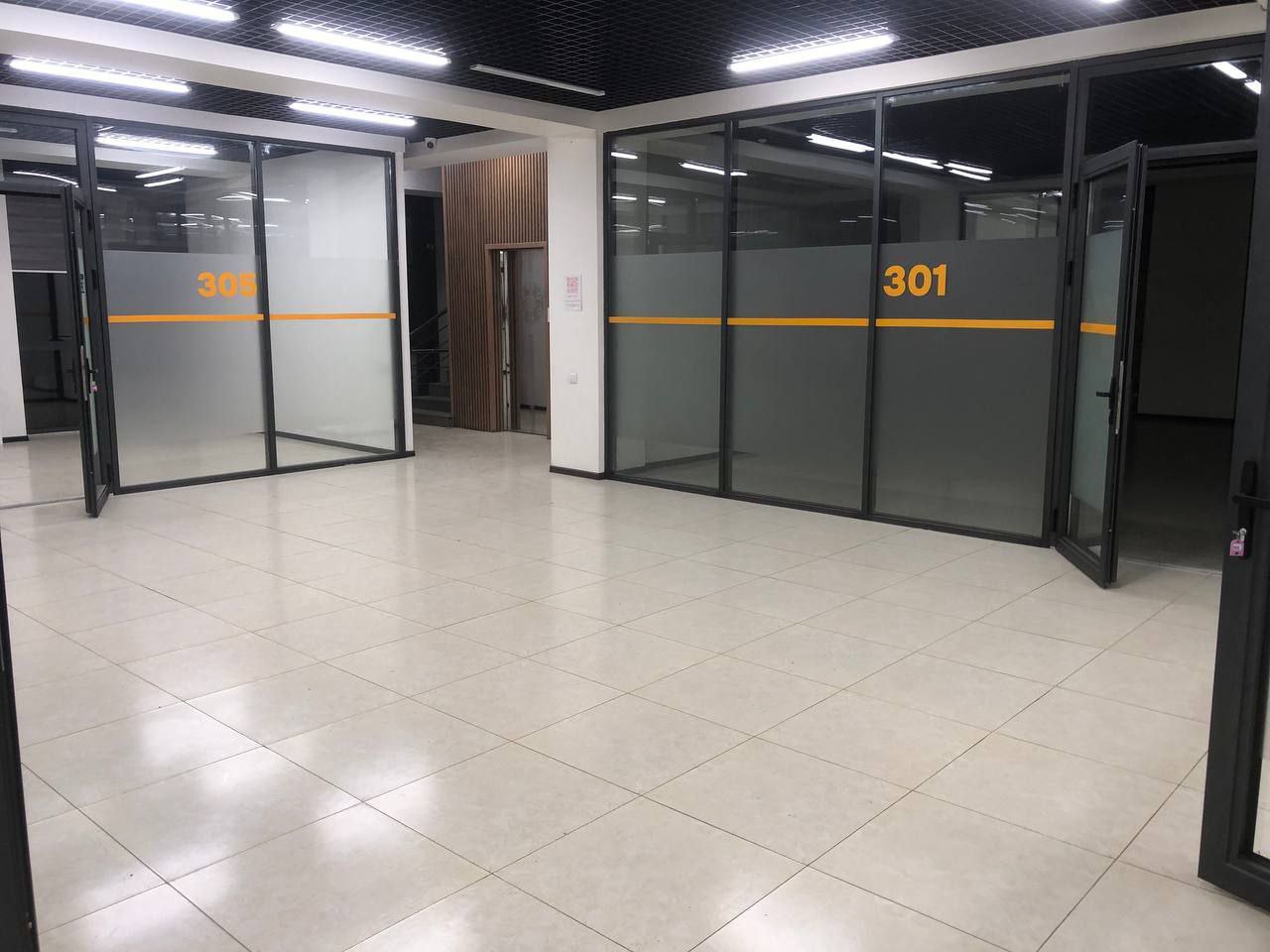
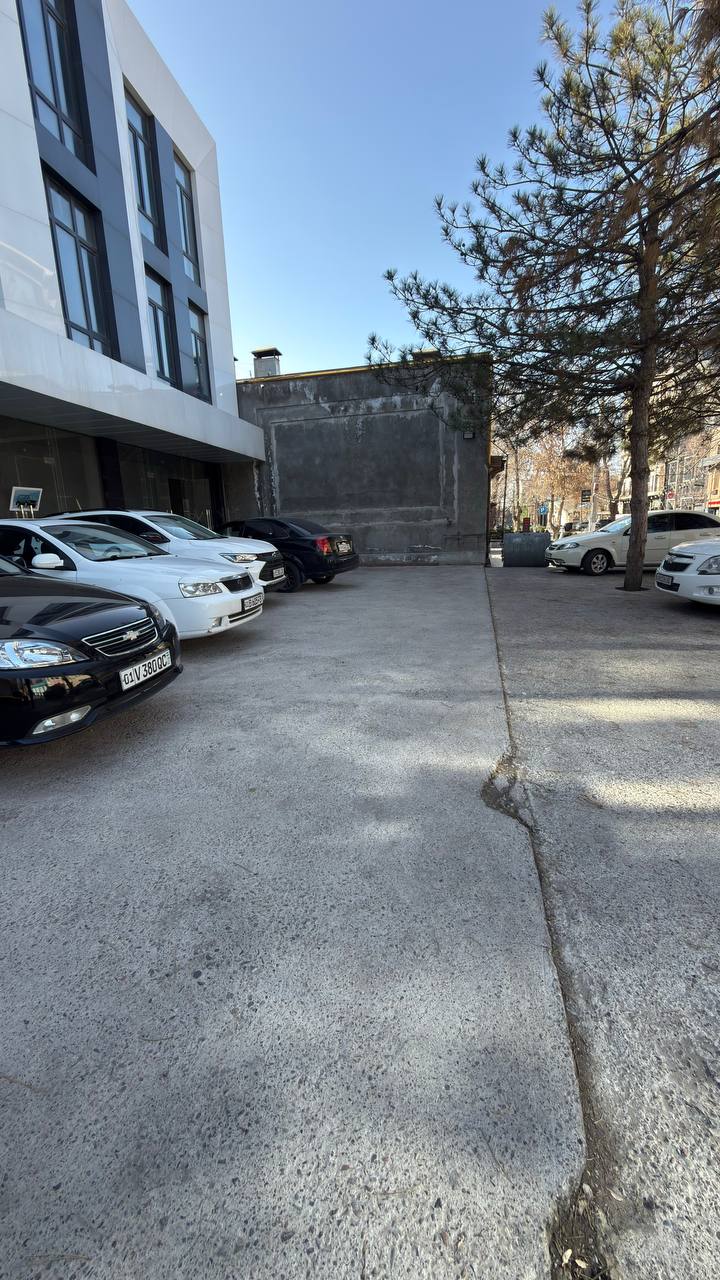
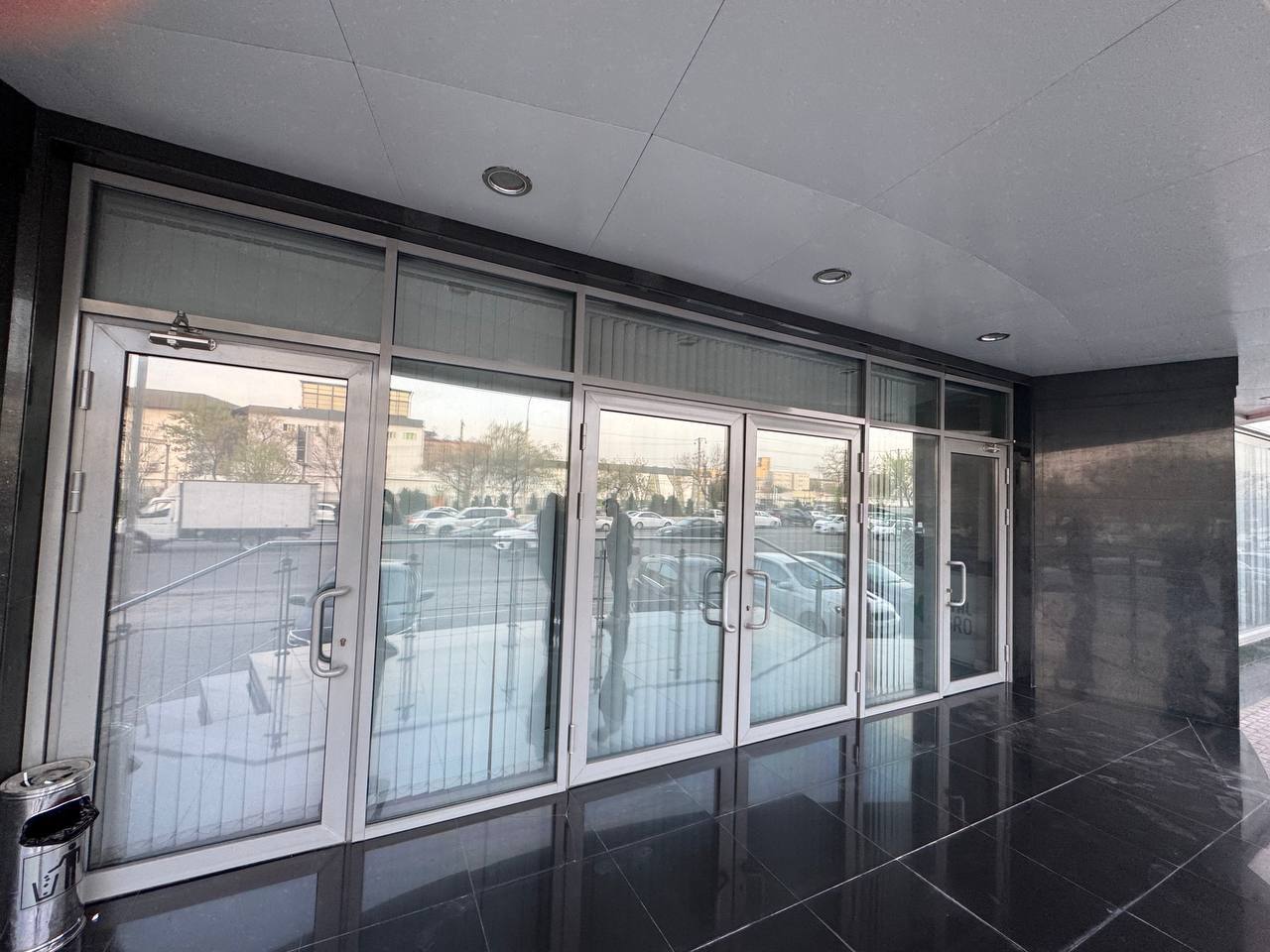
Standalone Building for Rent in Mirabad District
25 000 conventional units
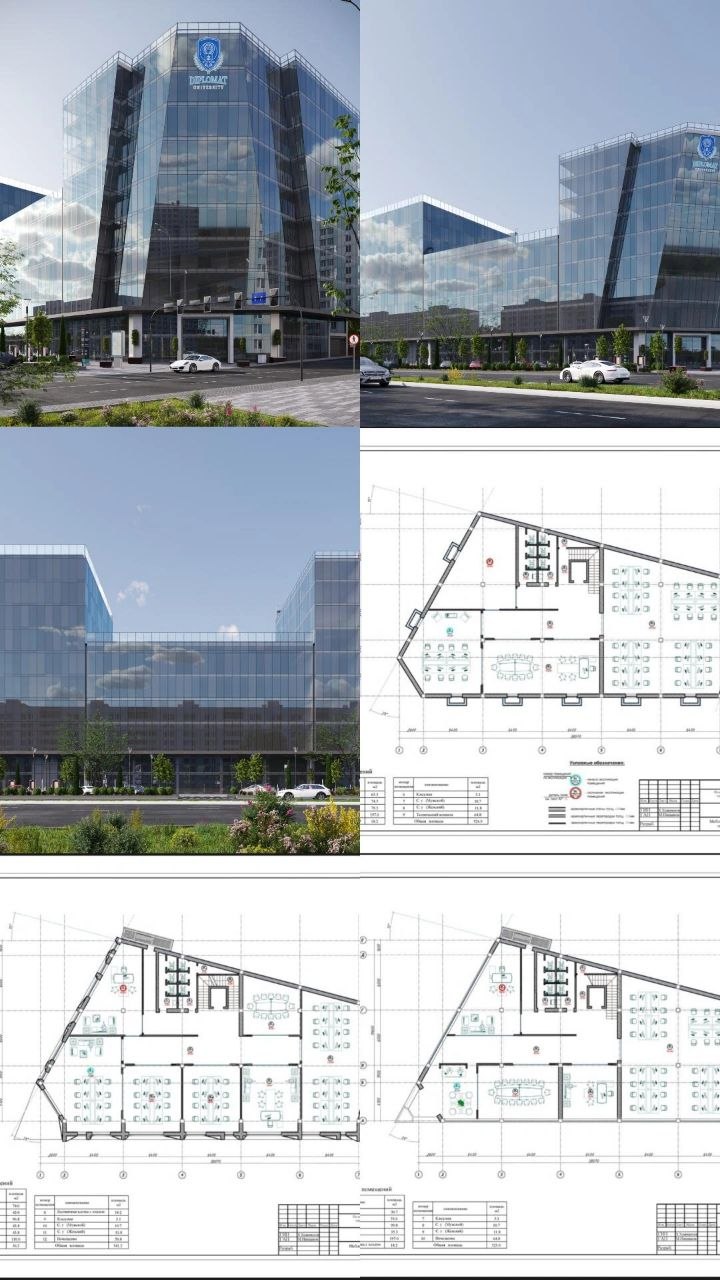
RENT: PRESTIGIOUS BUSINESS CENTER IN YUNUSABAD DISTRICT
30 conventional units
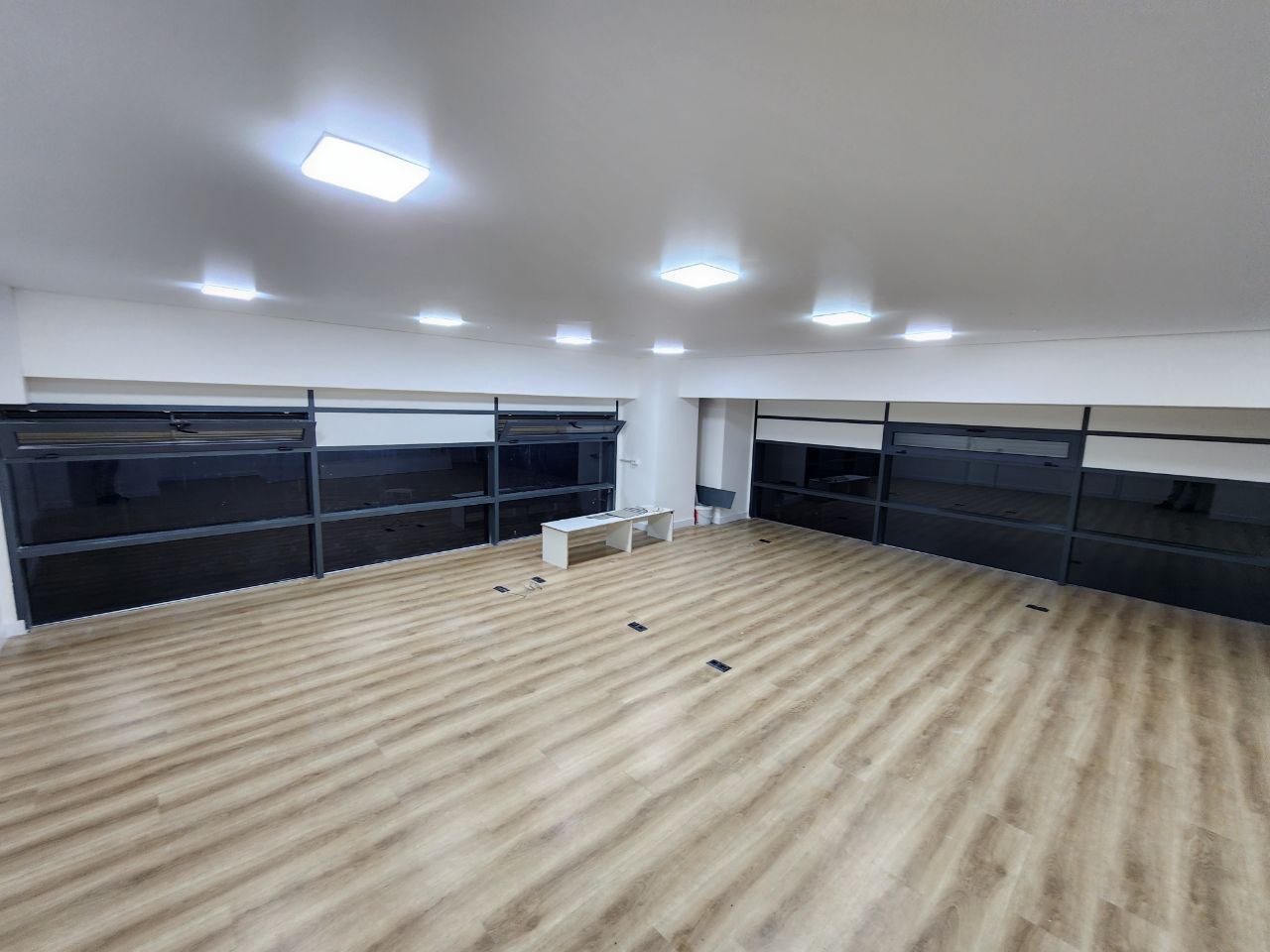
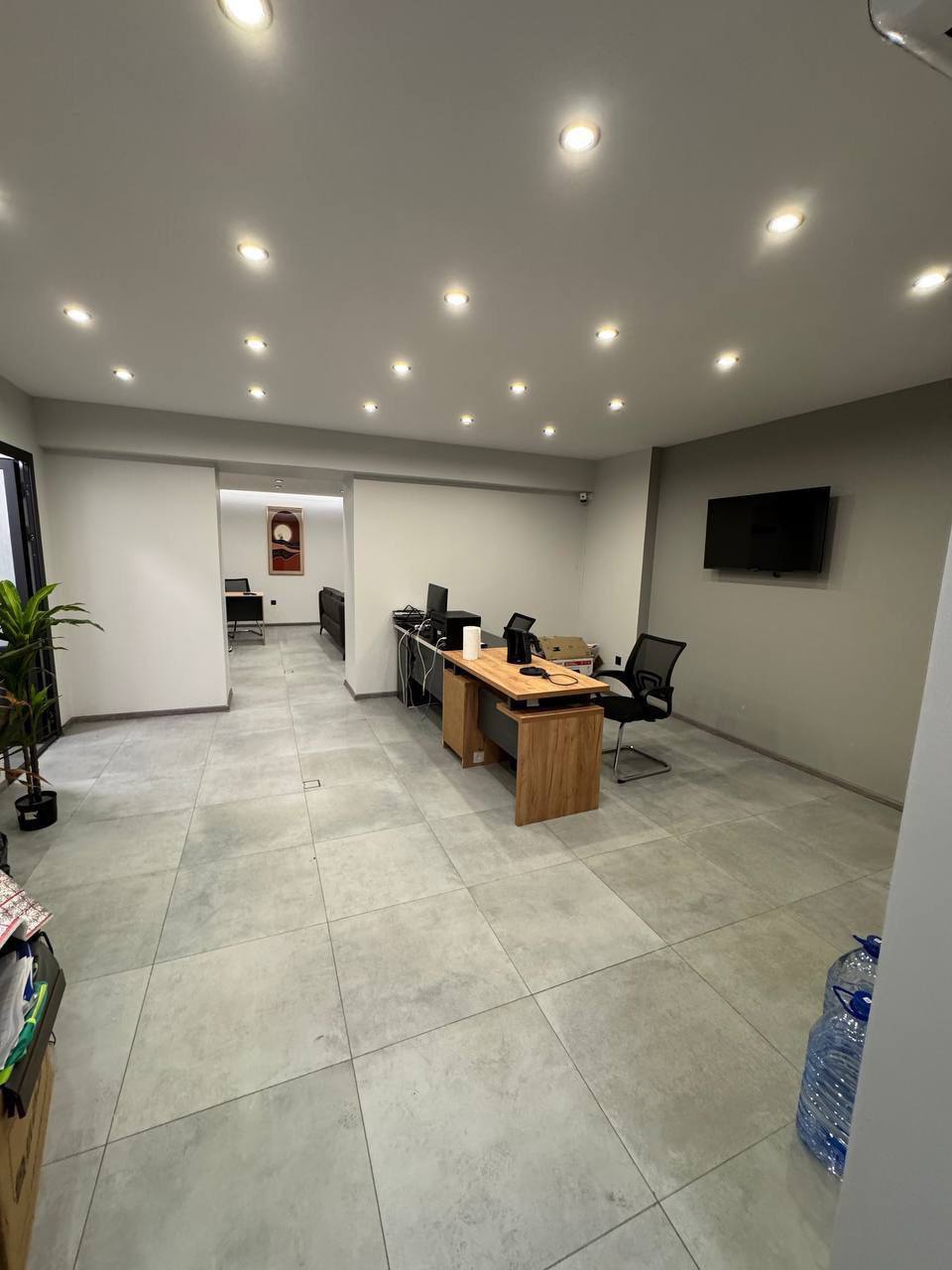
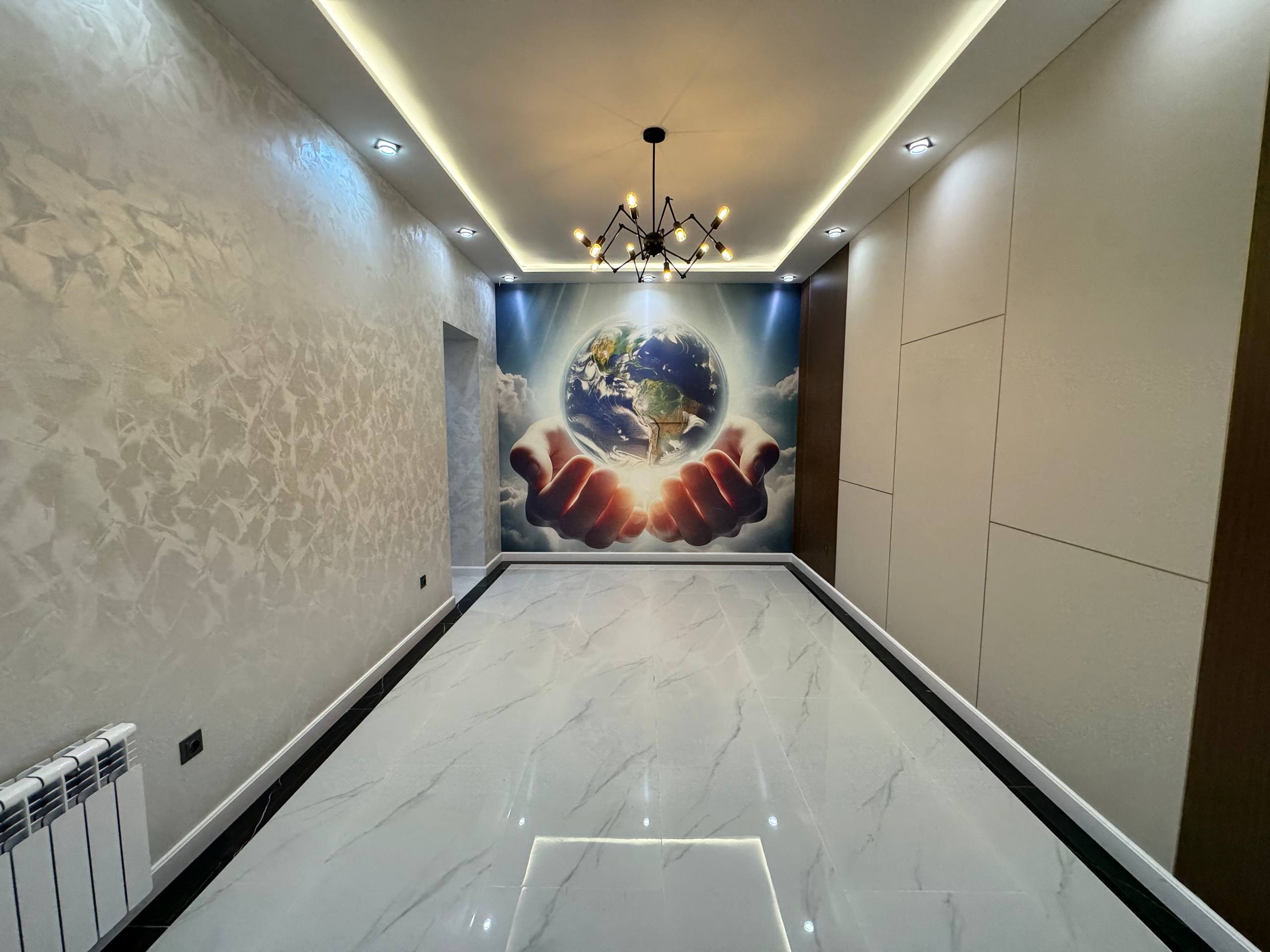
Commercial premises for sale/rent on Nukusskaya
280 000 conventional units
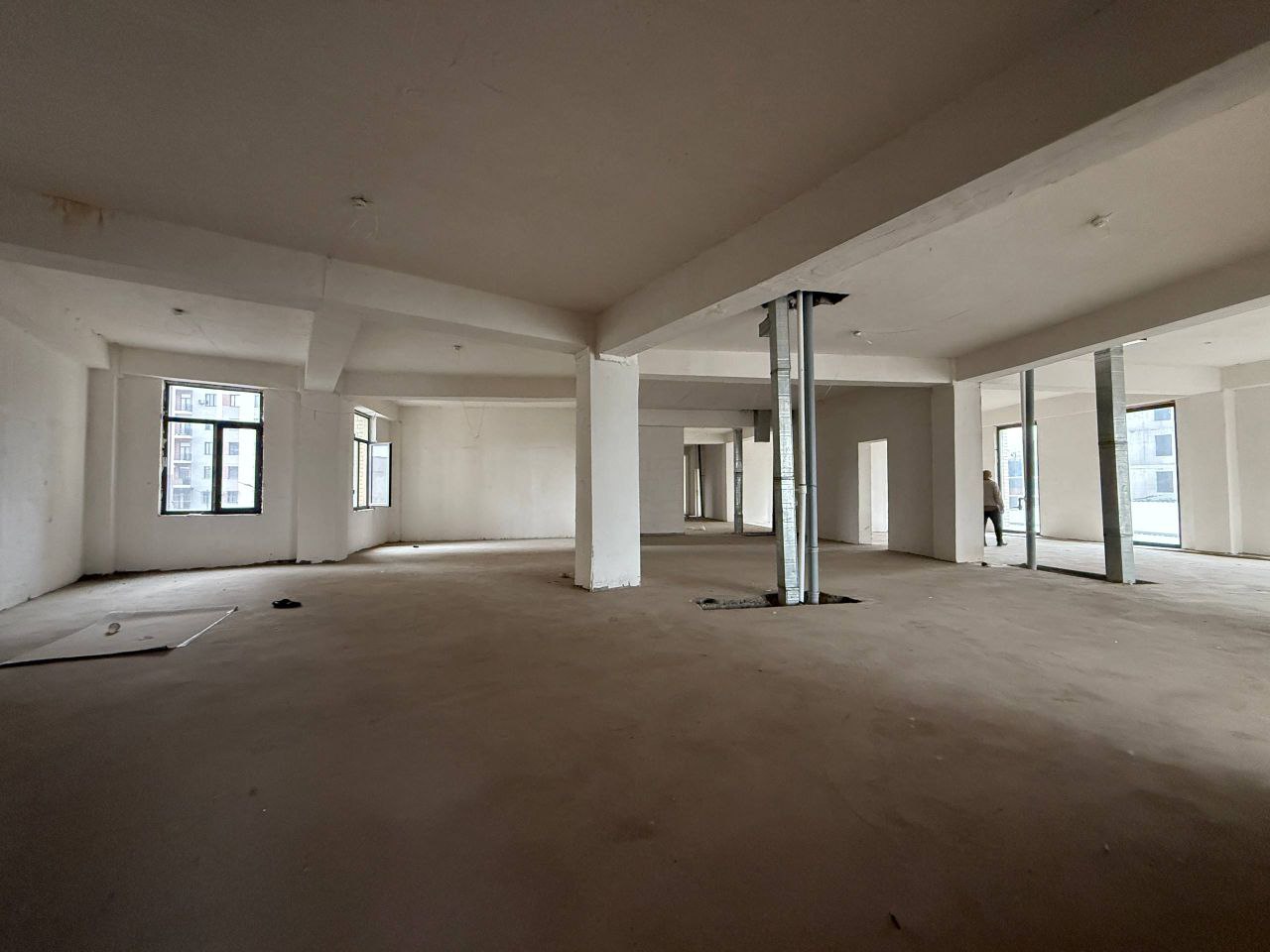
Commercial premises for sale along the road, Kukcha
1 500 conventional units
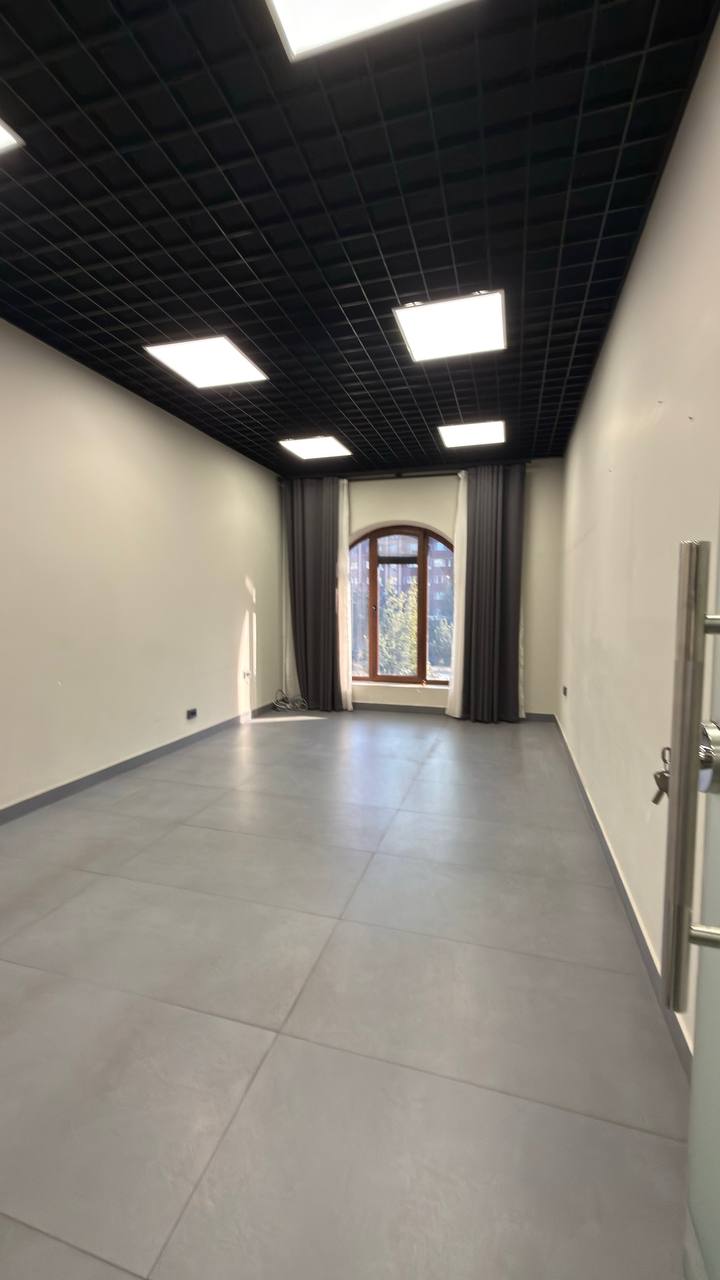
Commercial space for rent in the city center on the first line
6 000 conventional units
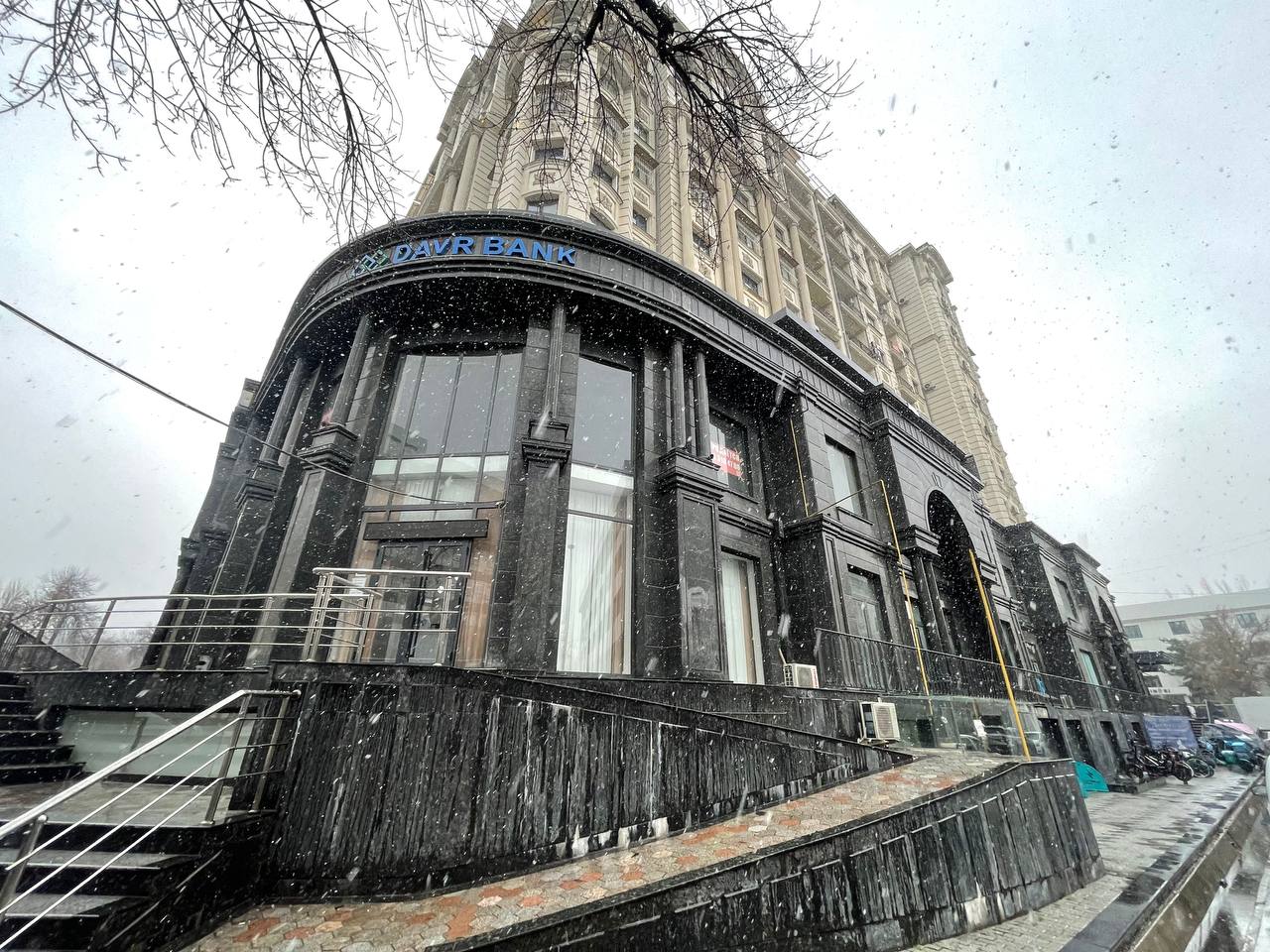
For Sale | Commercial space in Muhtasham Residential Complex
800 000 conventional units
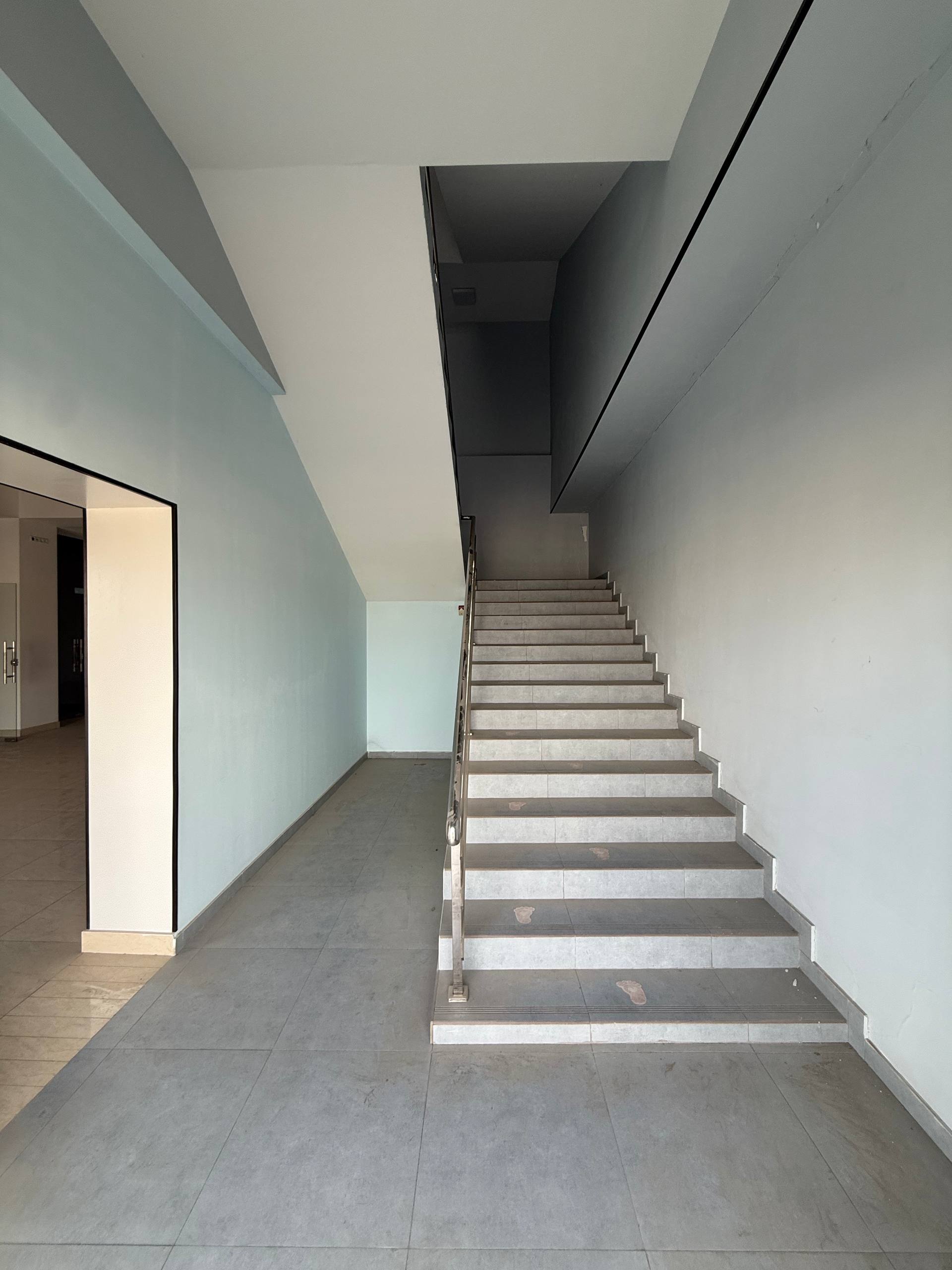
For Rent | Standalone Building, “Hasanboy” Intersection
7 conventional units
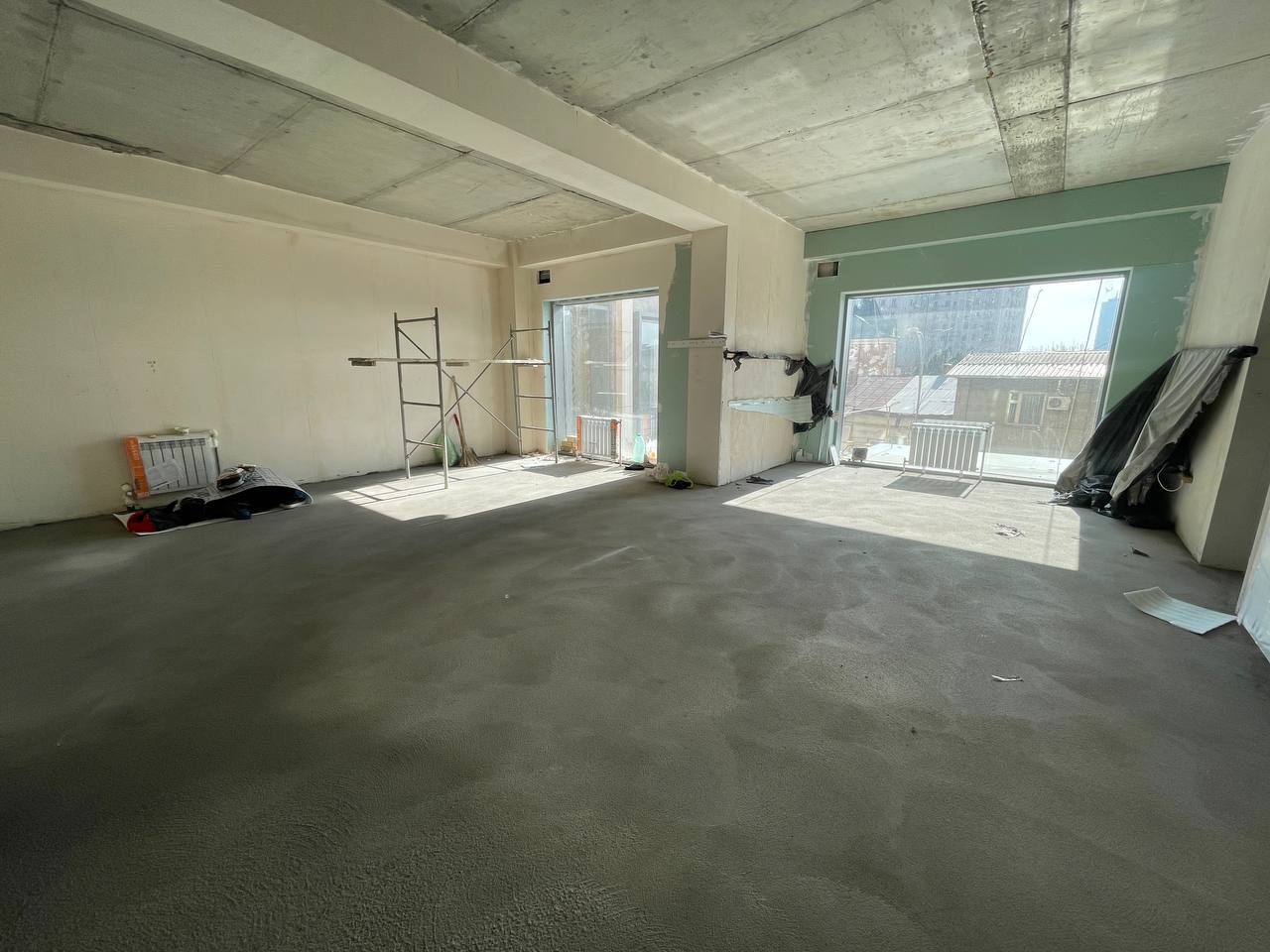
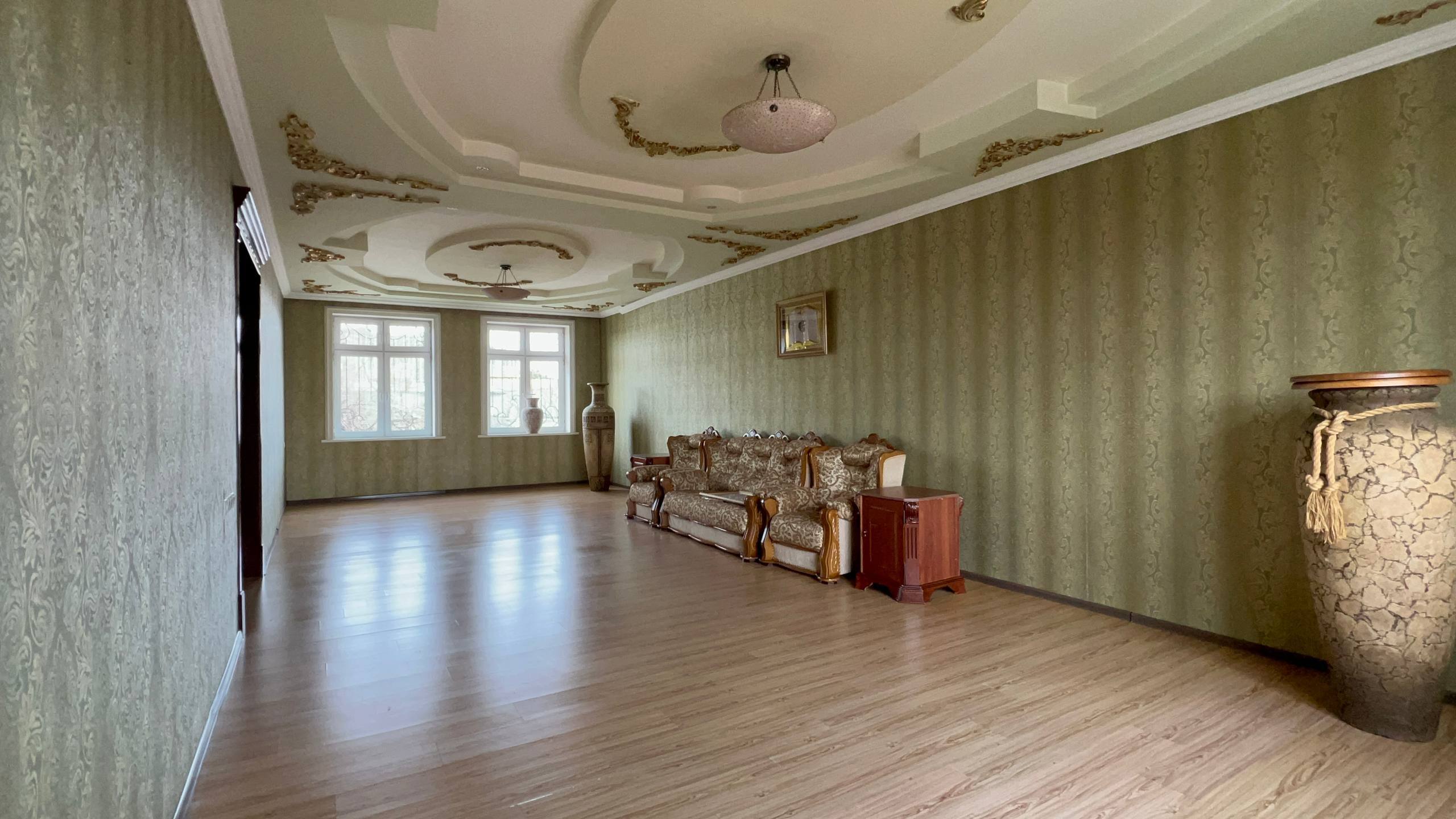
Rent | House for a Private Kindergarten, Uchtepa District
3 500 conventional units
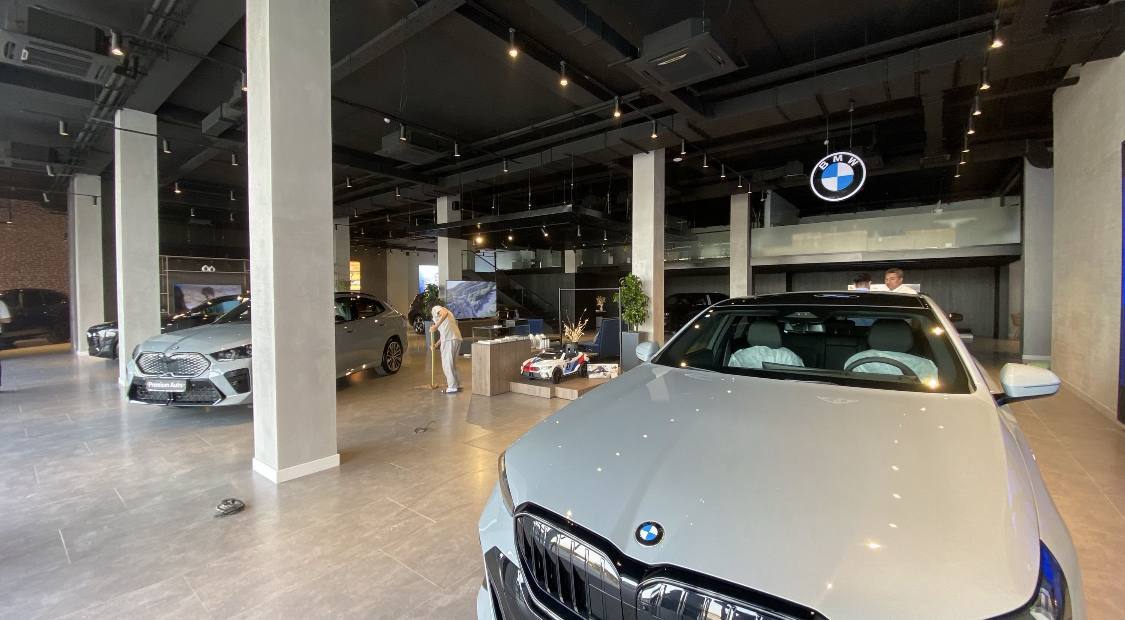
Rent | Commercial space in the city center in Sapphire residential complex
40 conventional units
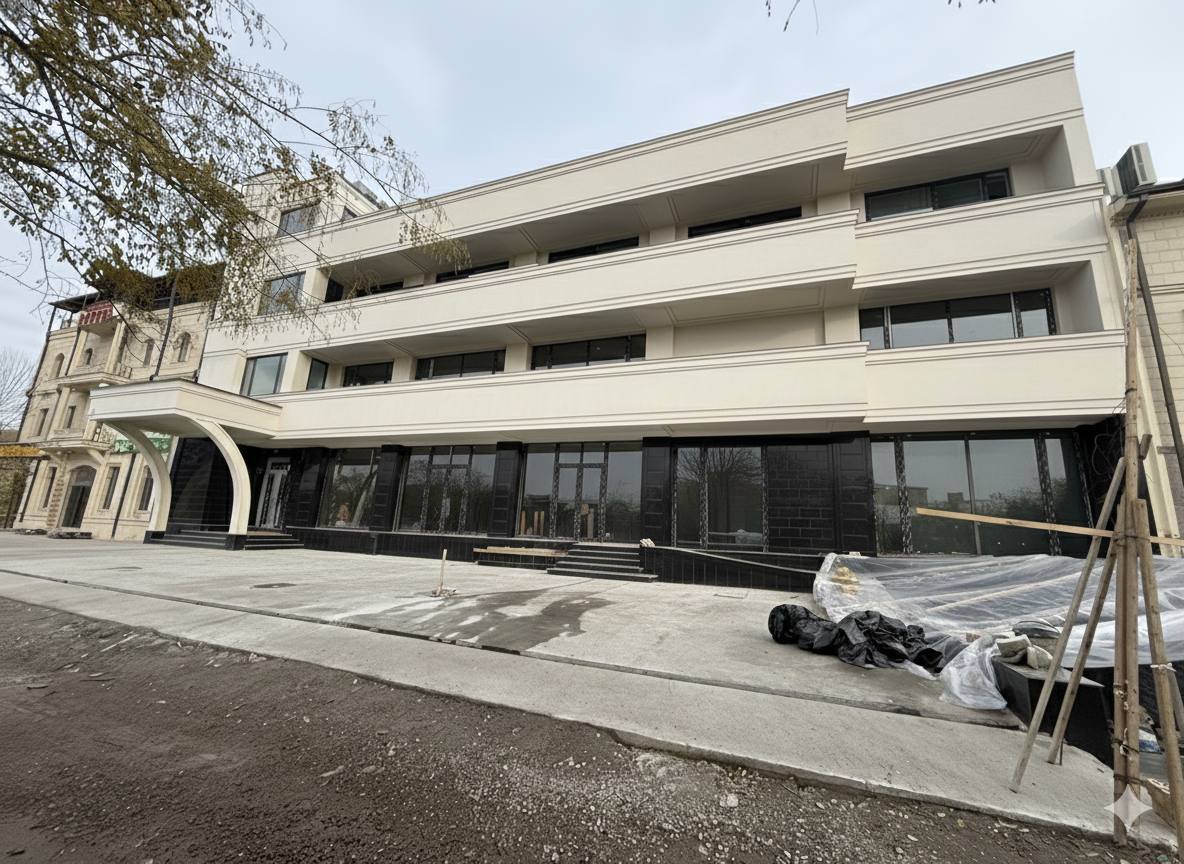
For Rent | Standalone 4-storey building on Nurafshan 1st line
15 conventional units
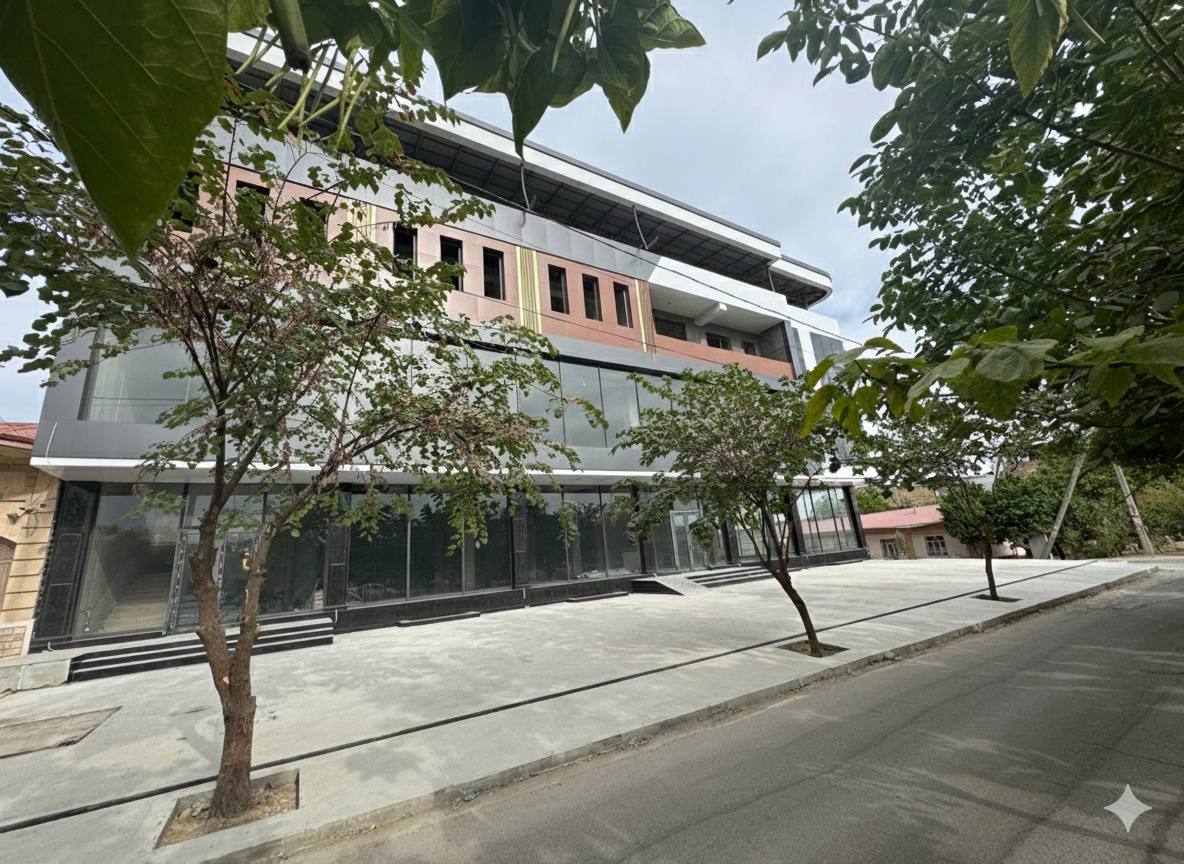
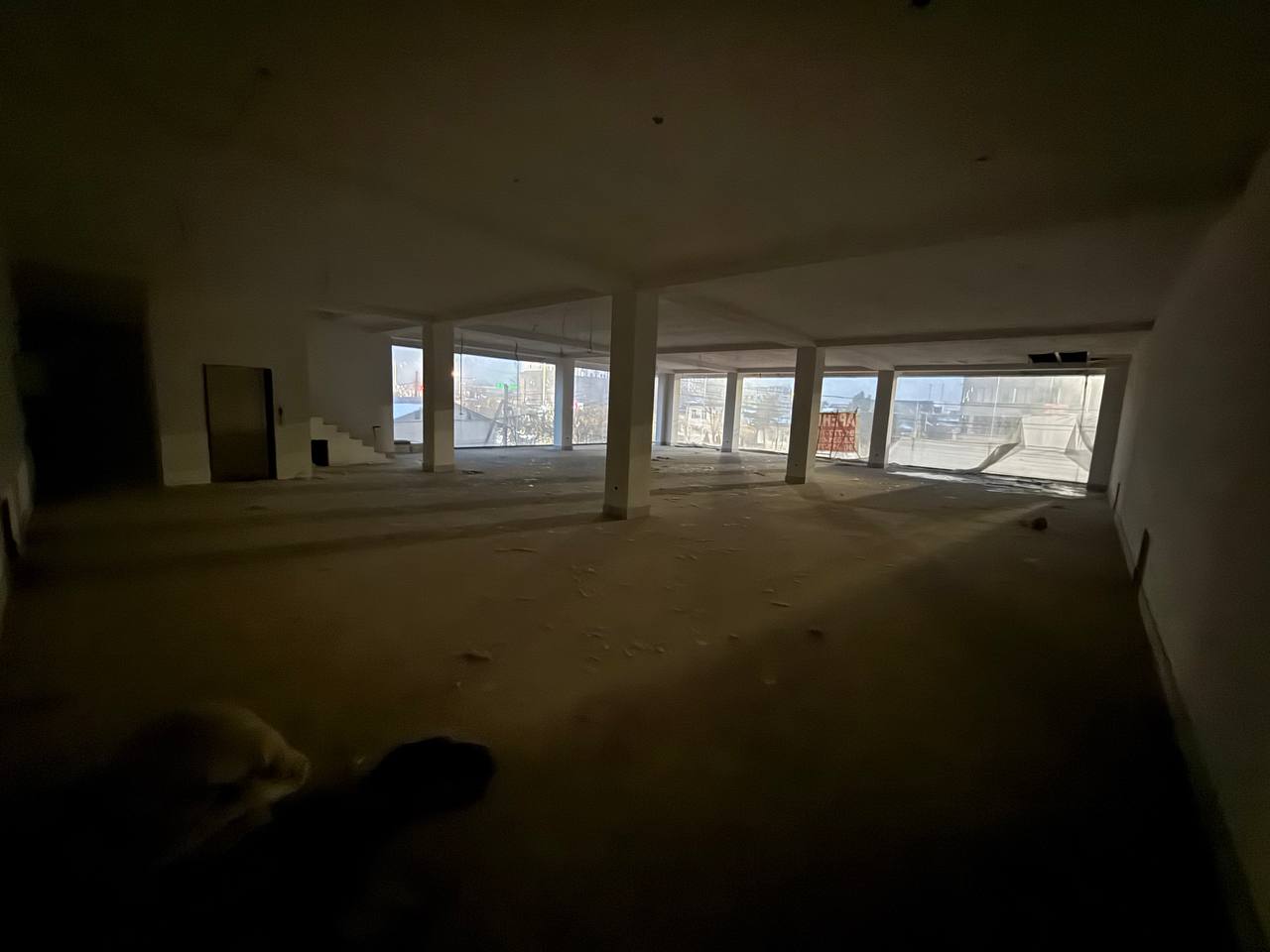
For Rent | Standalone building on Nurafshan 1st line
15 000 conventional units
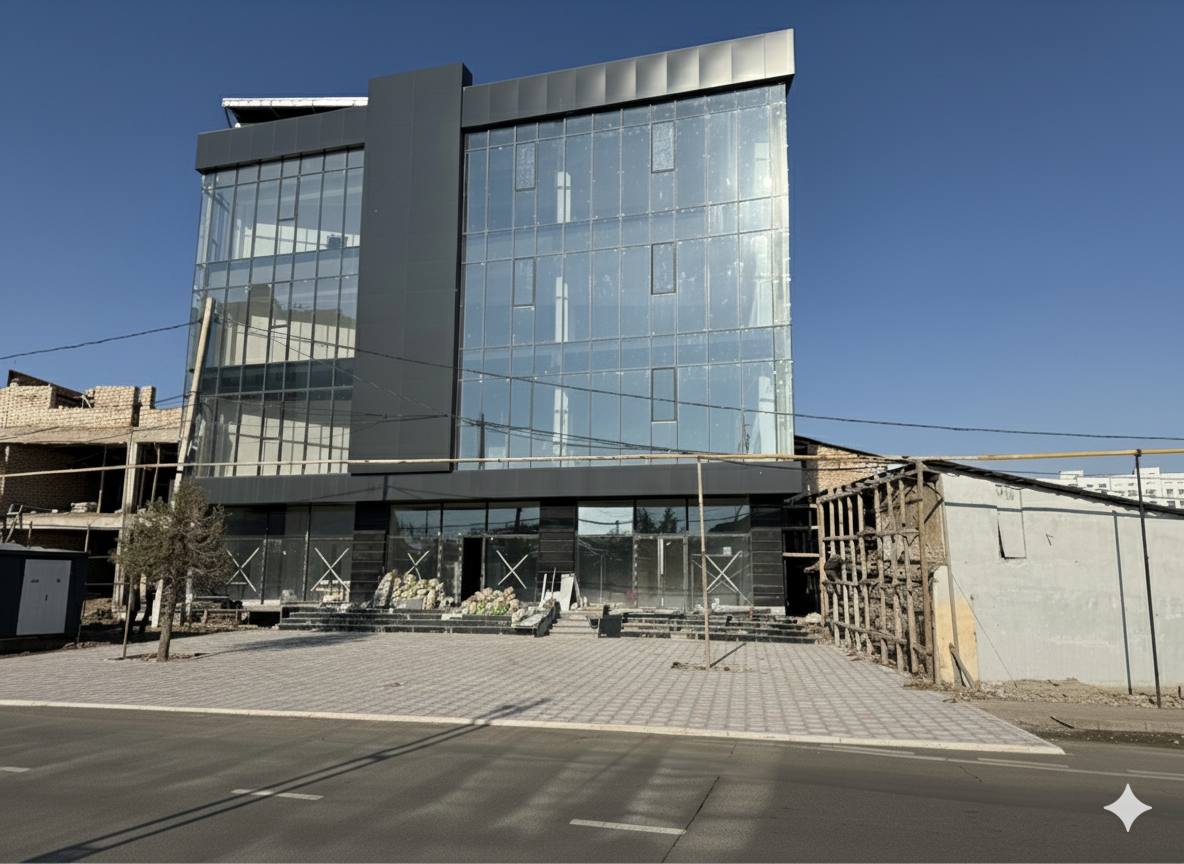
For Rent | Commercial Building on Nurafshon Street
18 conventional units
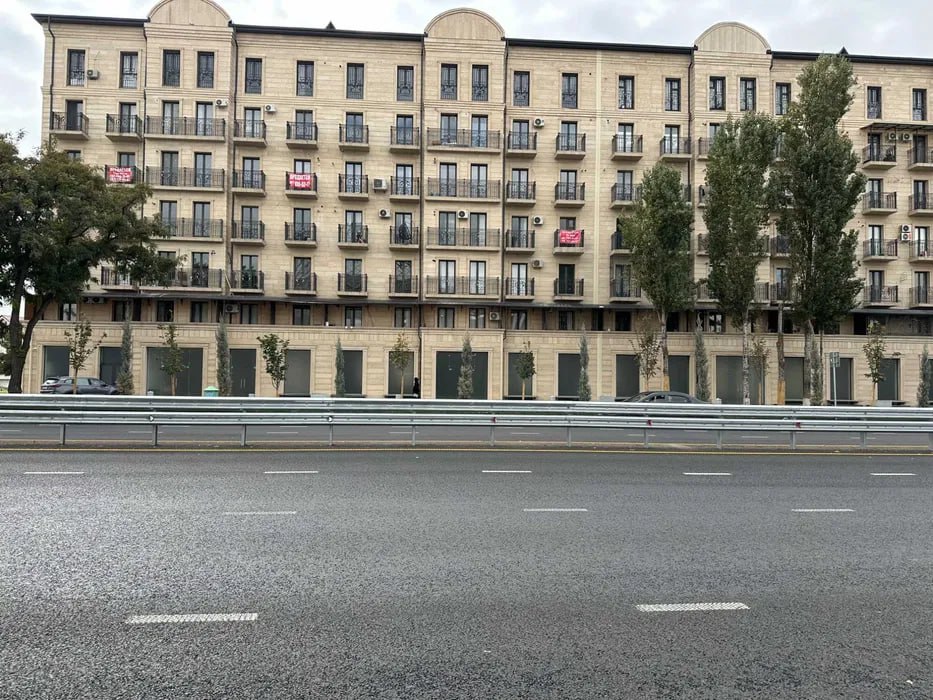
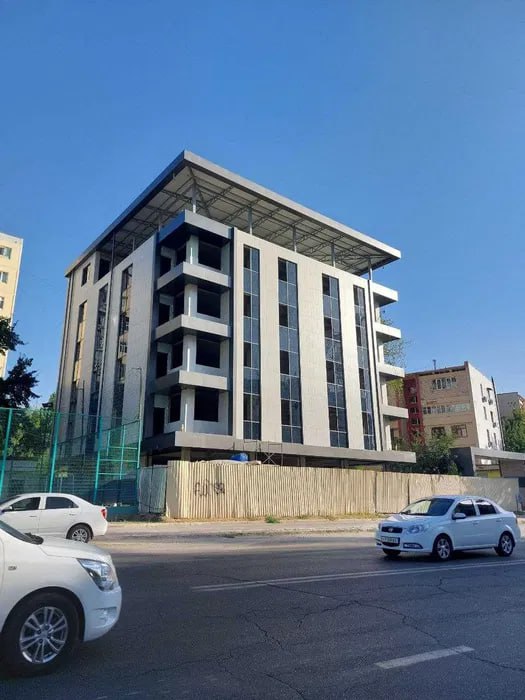
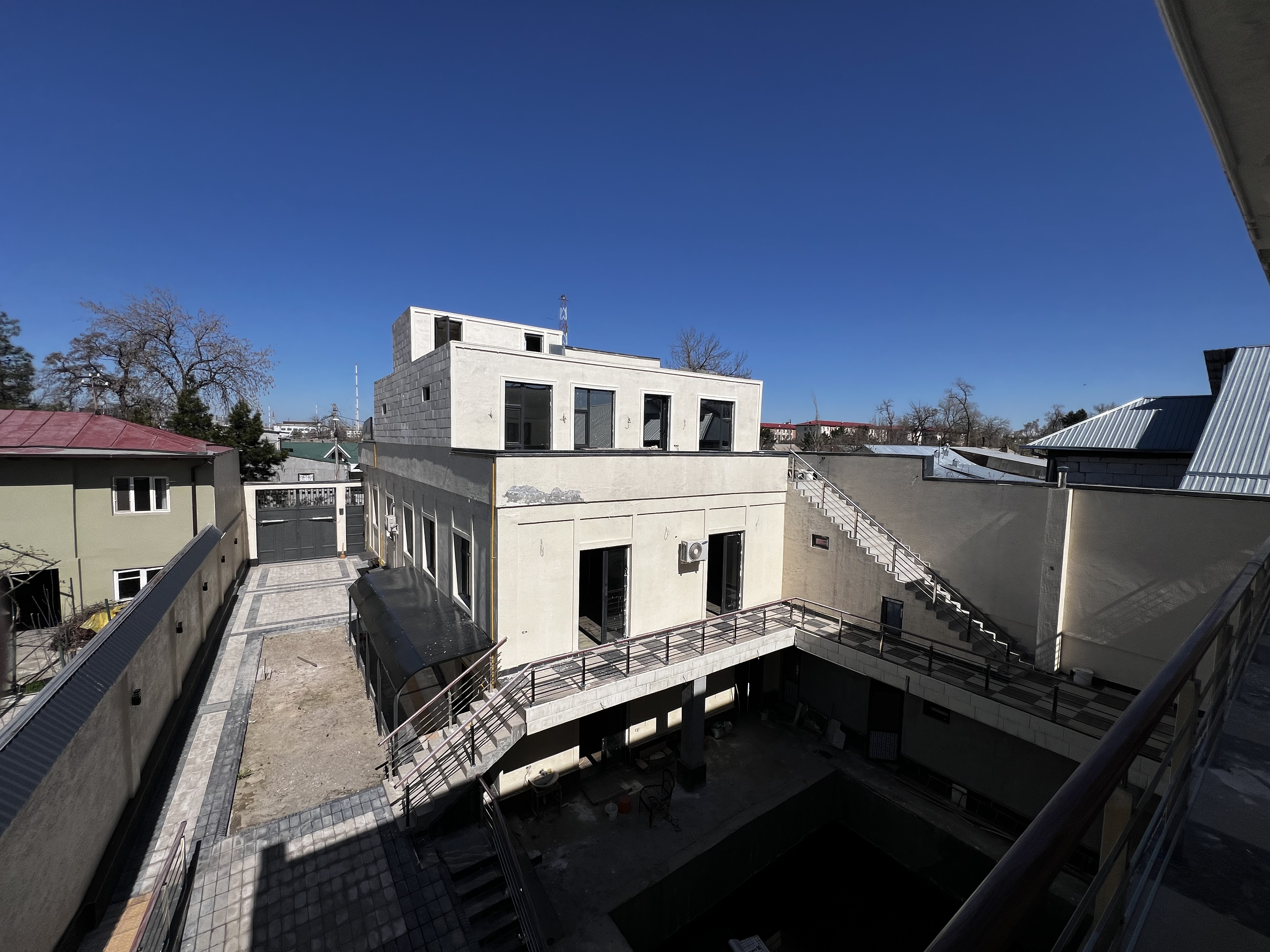
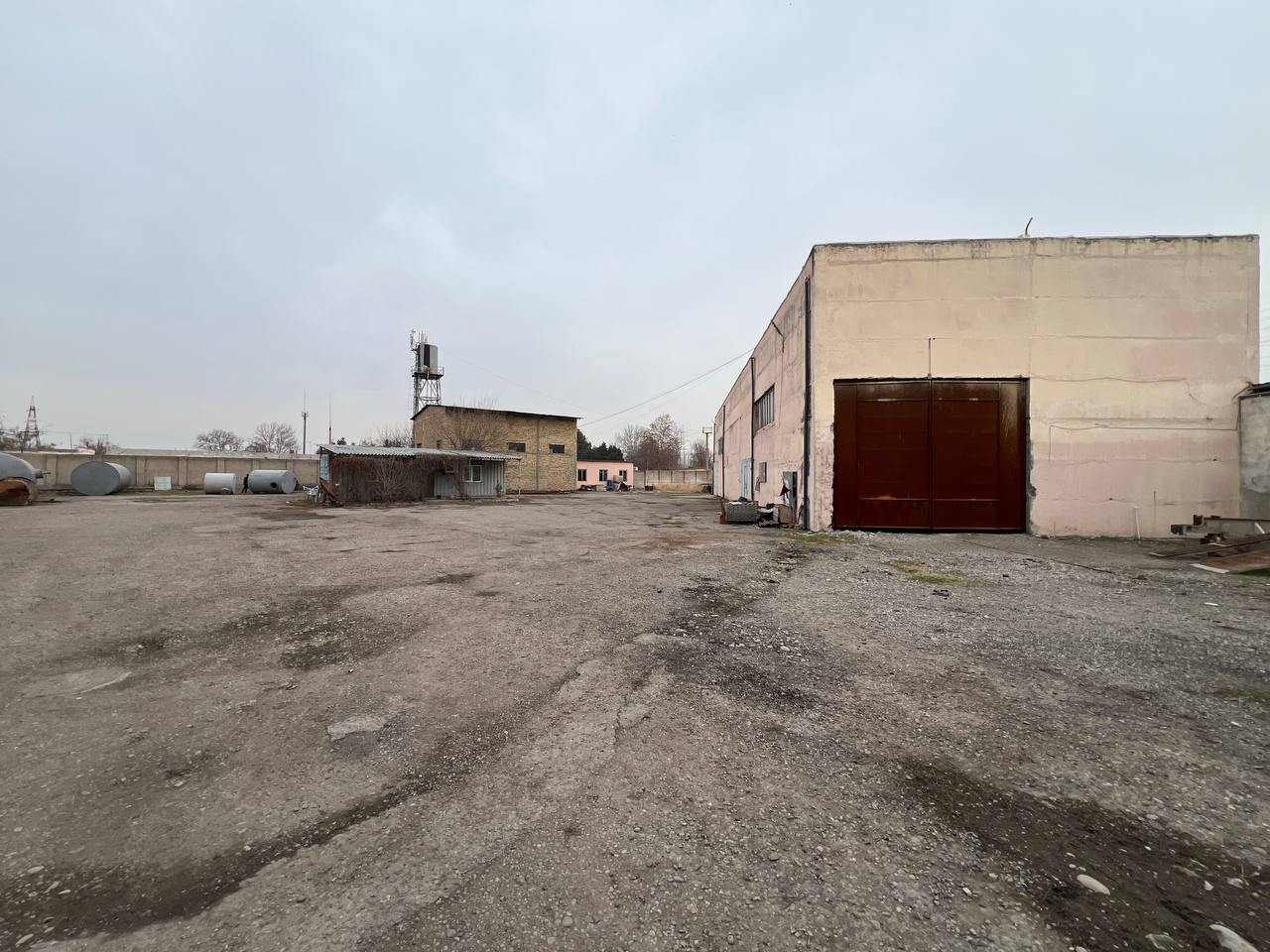
Base for sale in Tashkent — commercial real estate for production, warehouse and logistics
1 350 000 conventional units
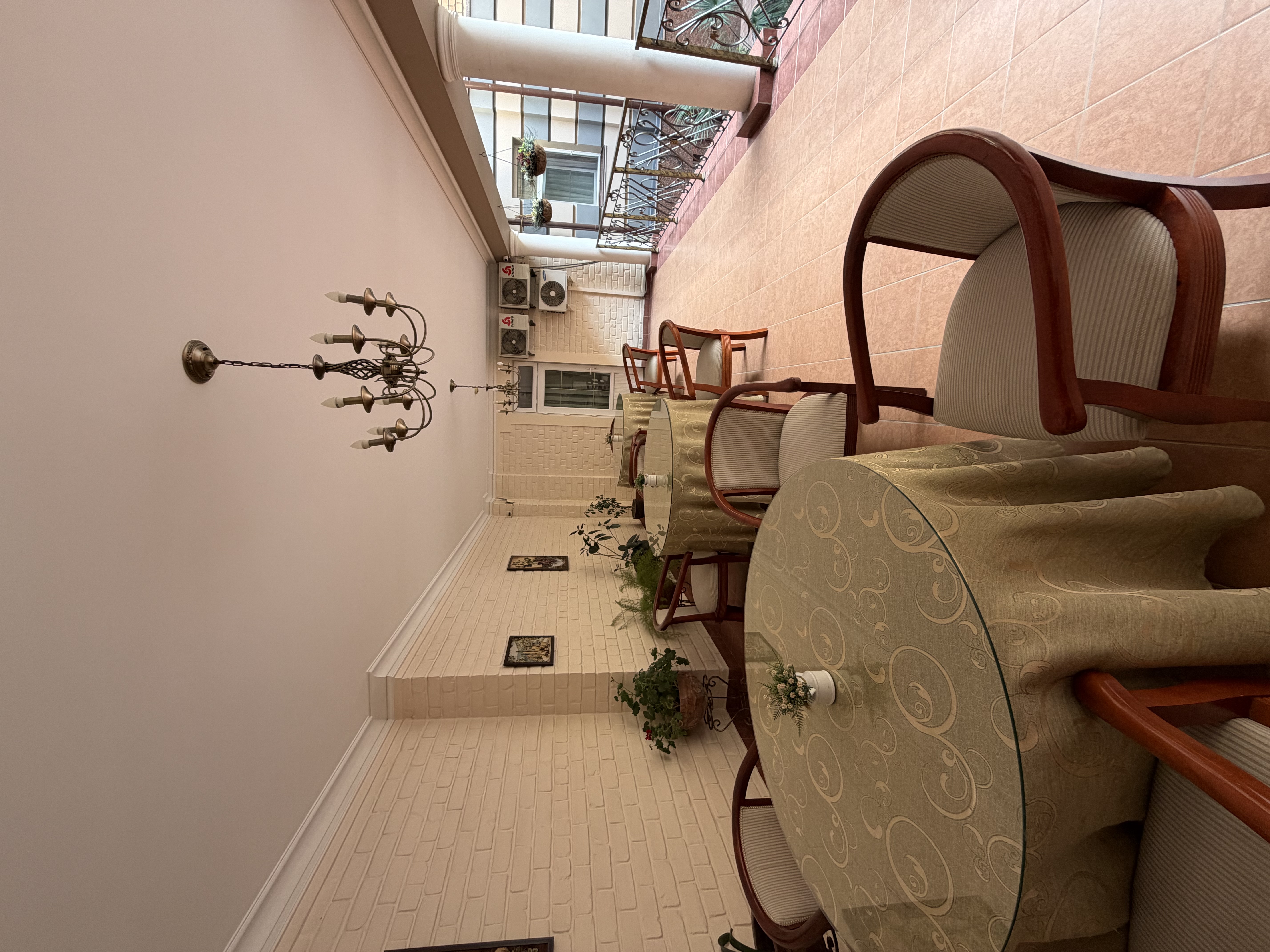
Operating hotel for sale in Yakkasaray District
2 500 000 conventional units
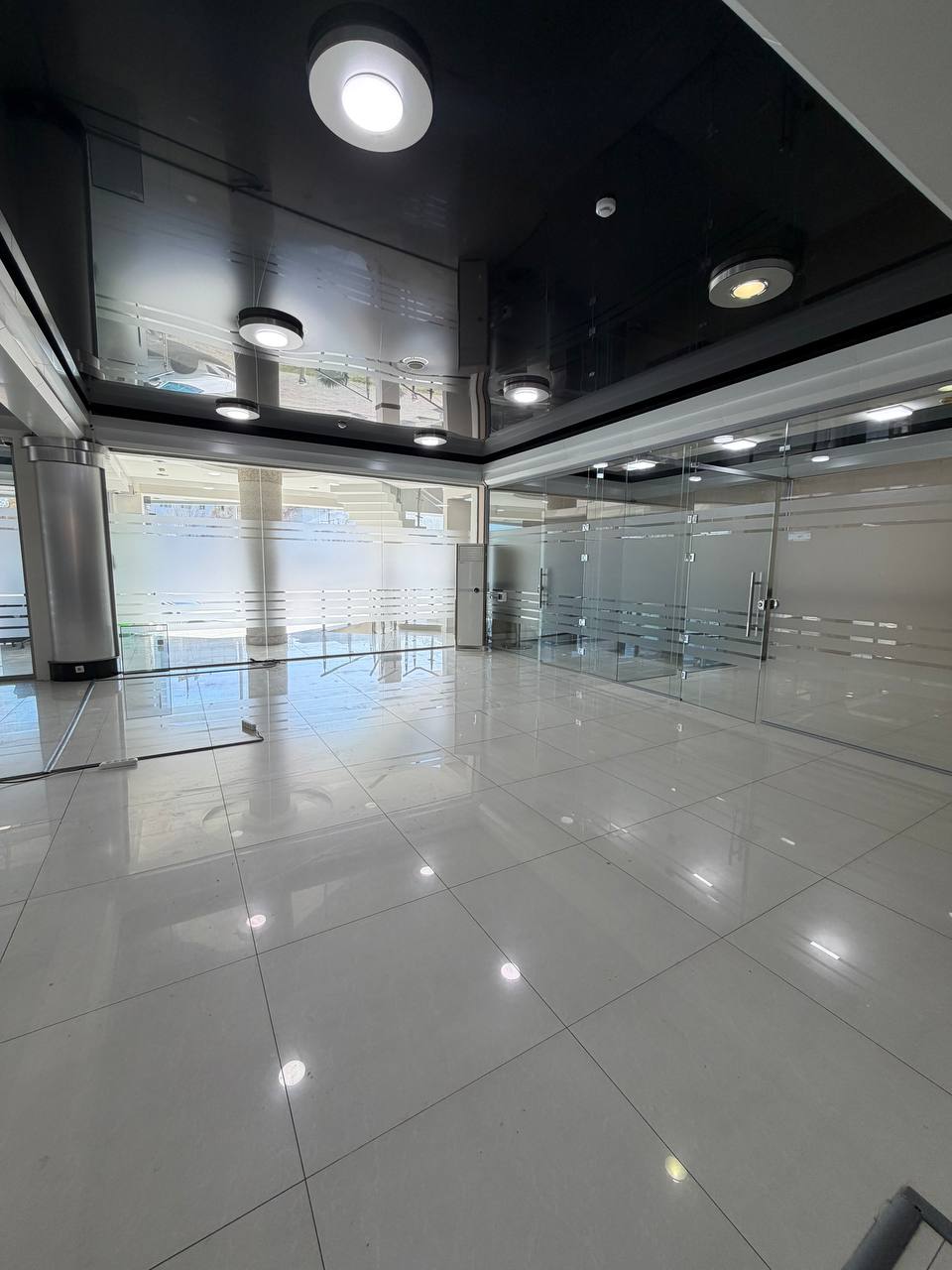
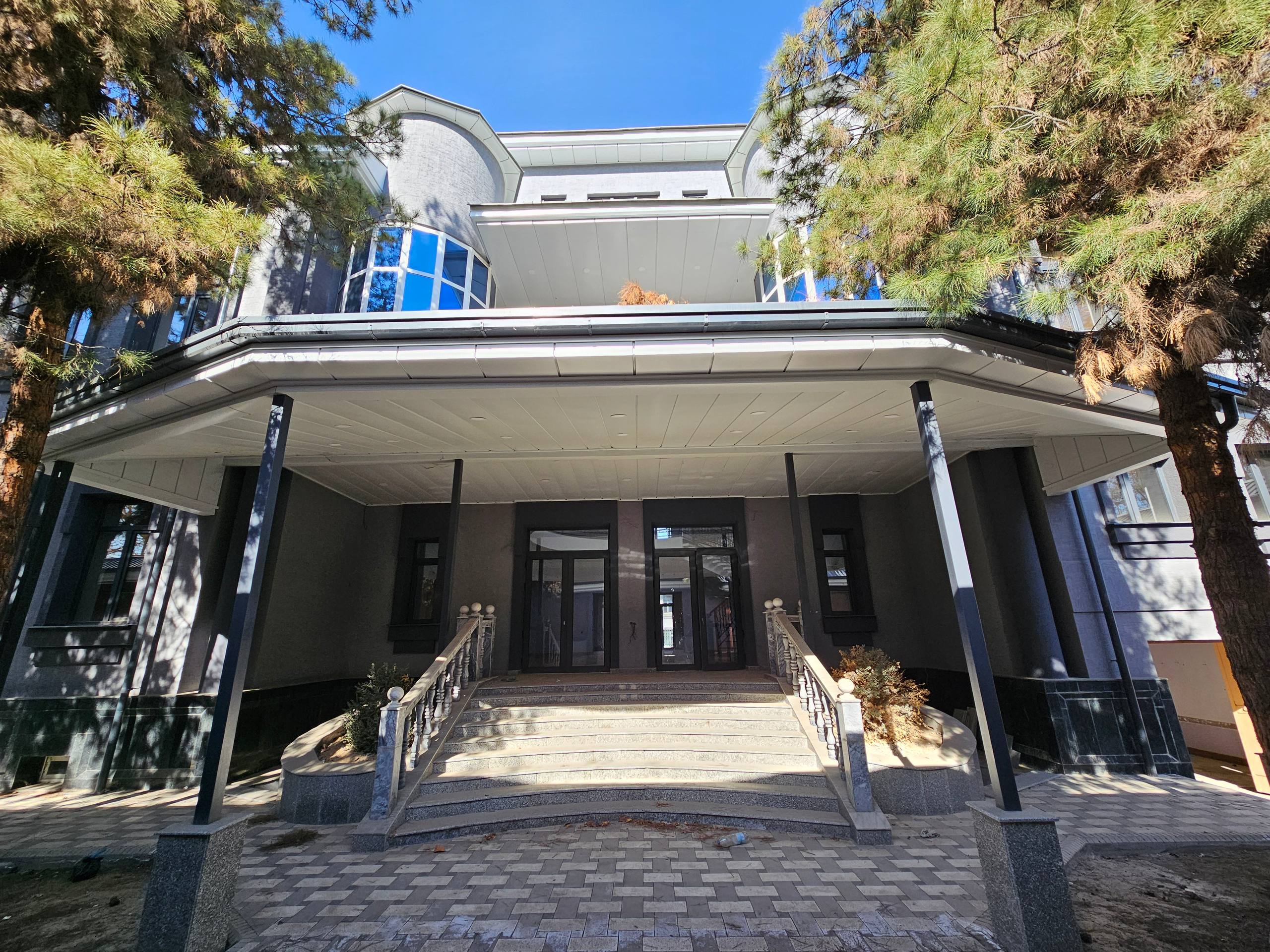
Commercial property in Almazar: 19 sotix, 2300 m² built-up area
3 300 000 conventional units
There are no listings for the selected filters yet
Useful sections