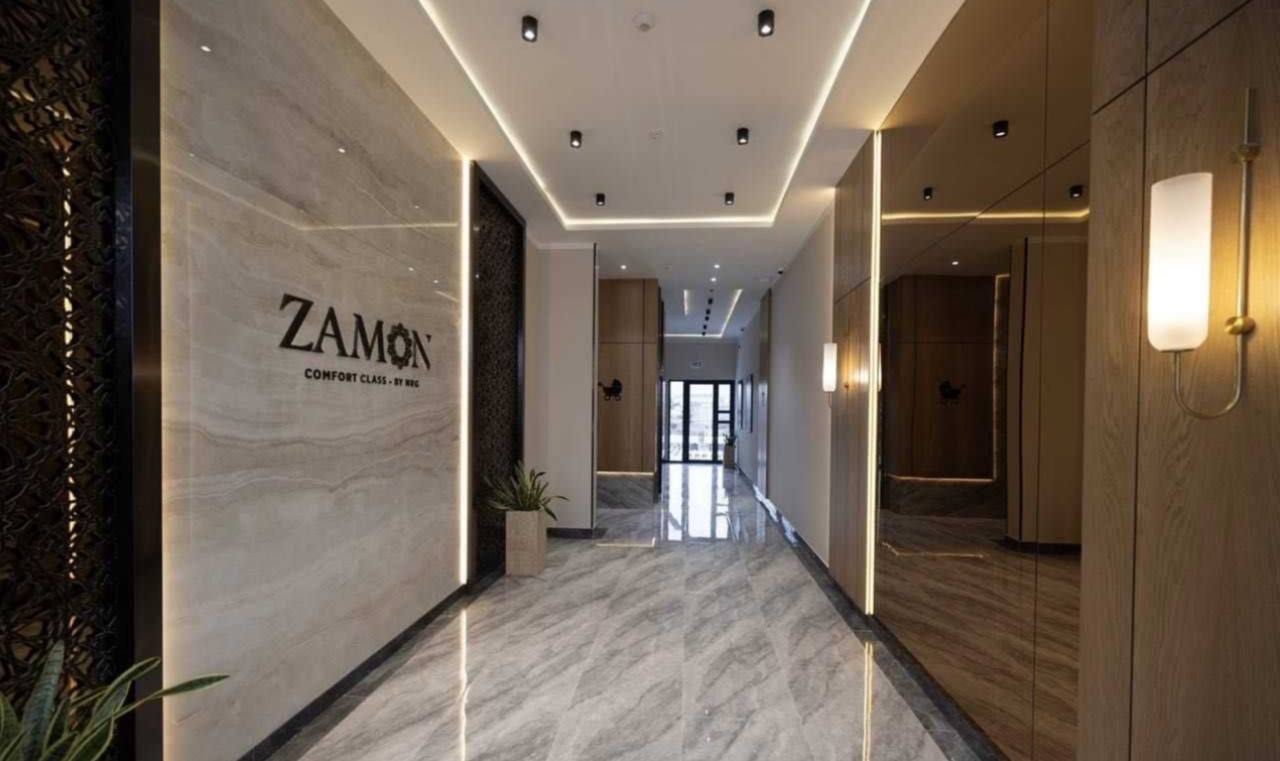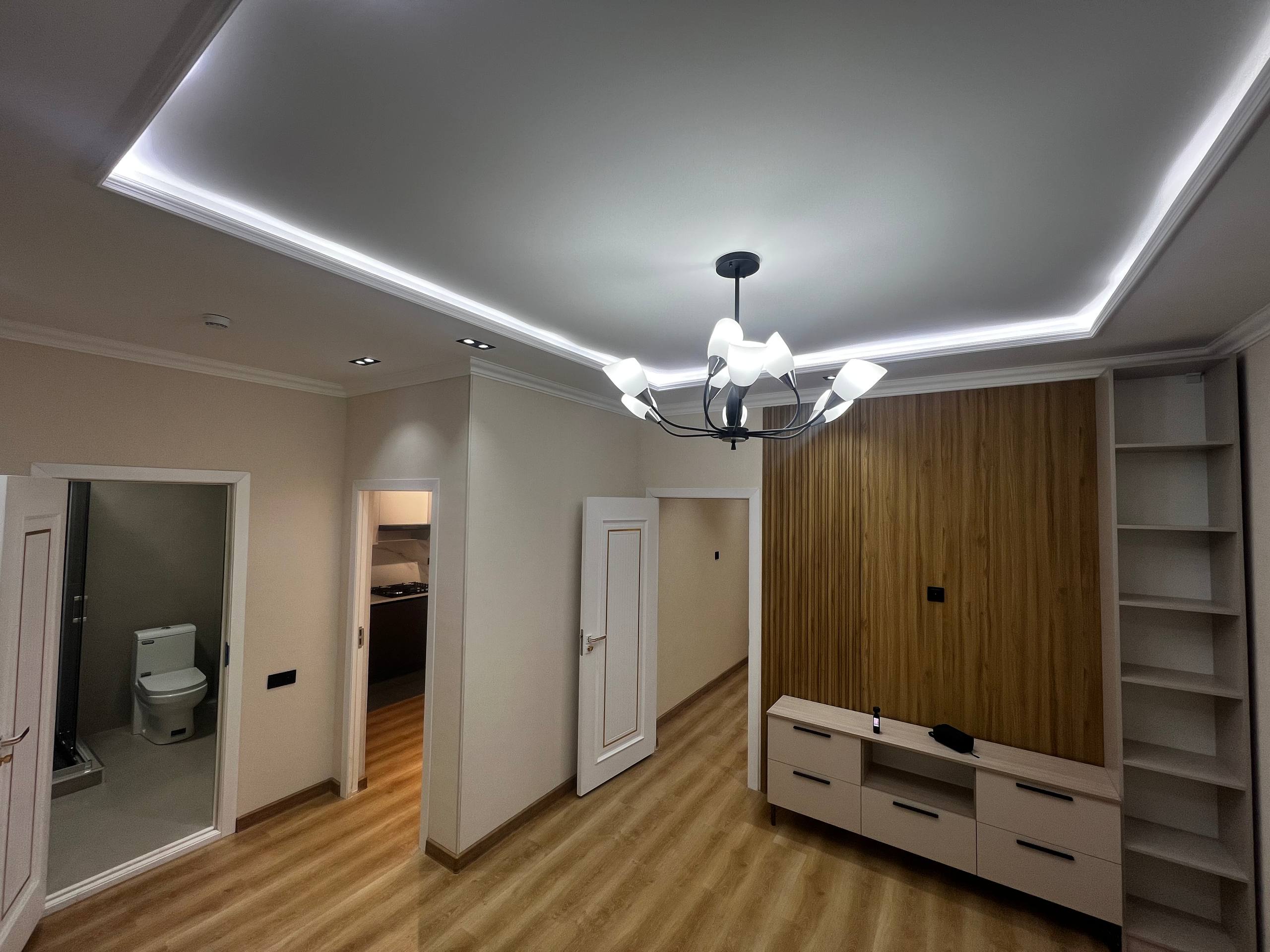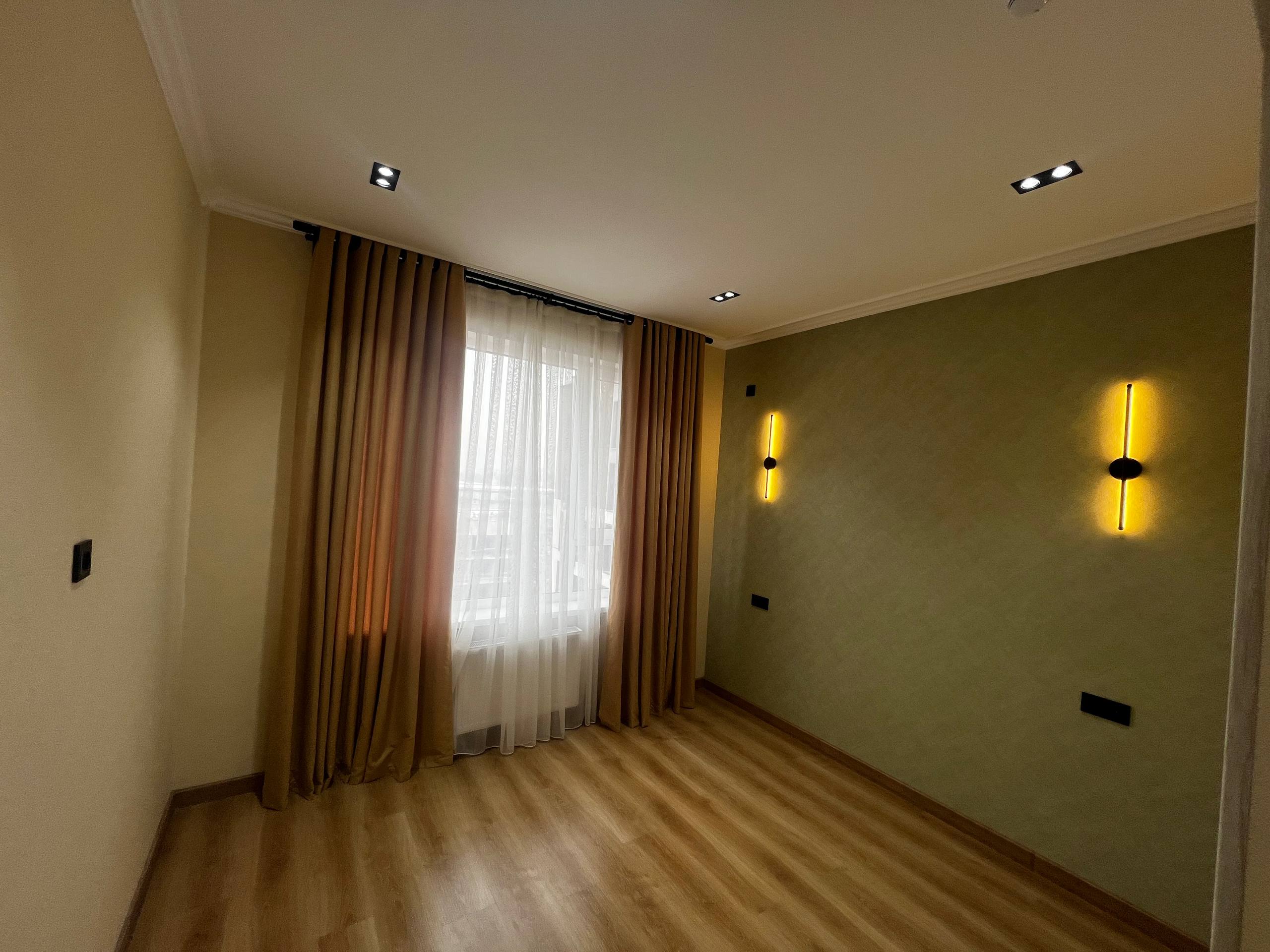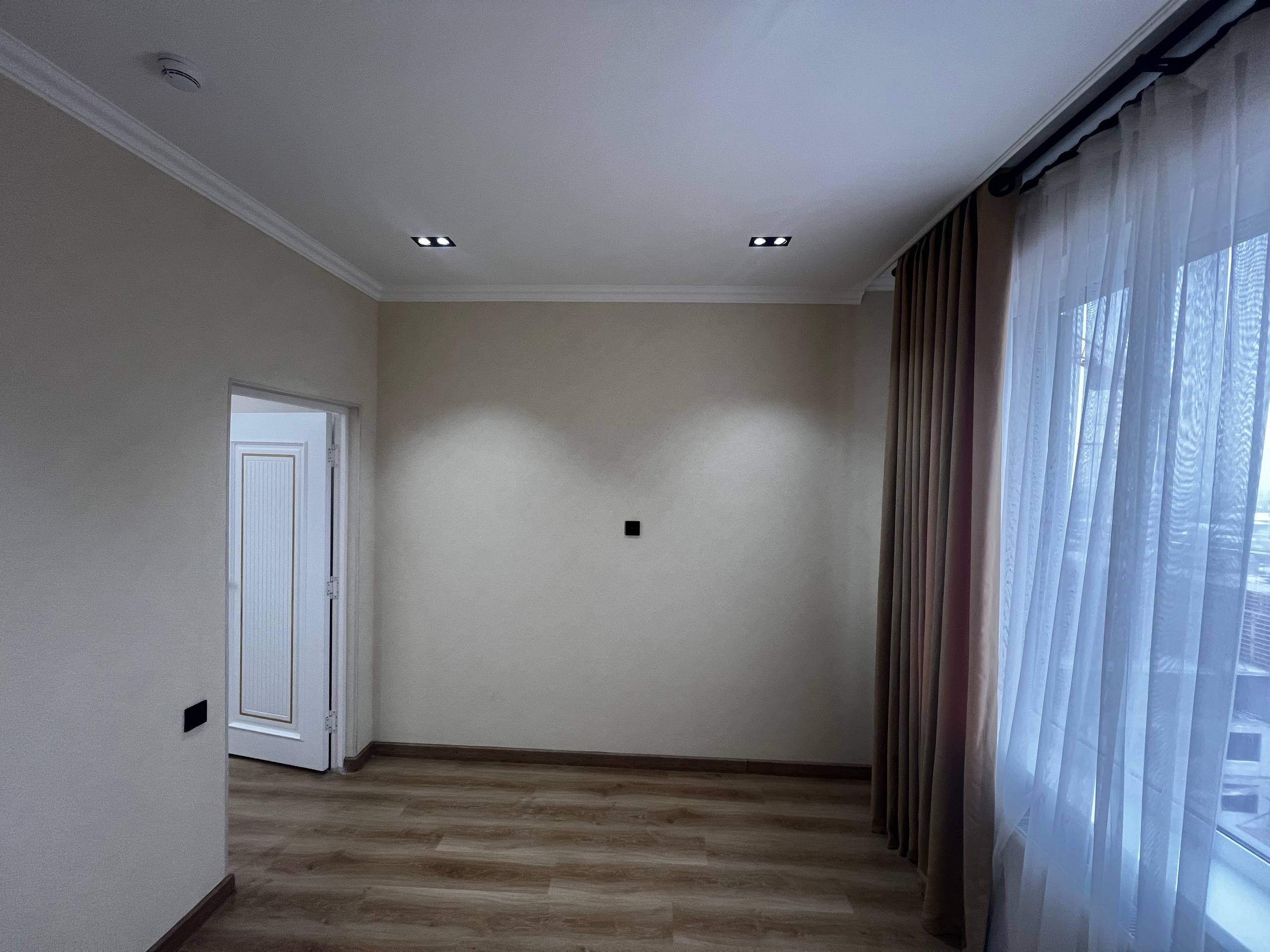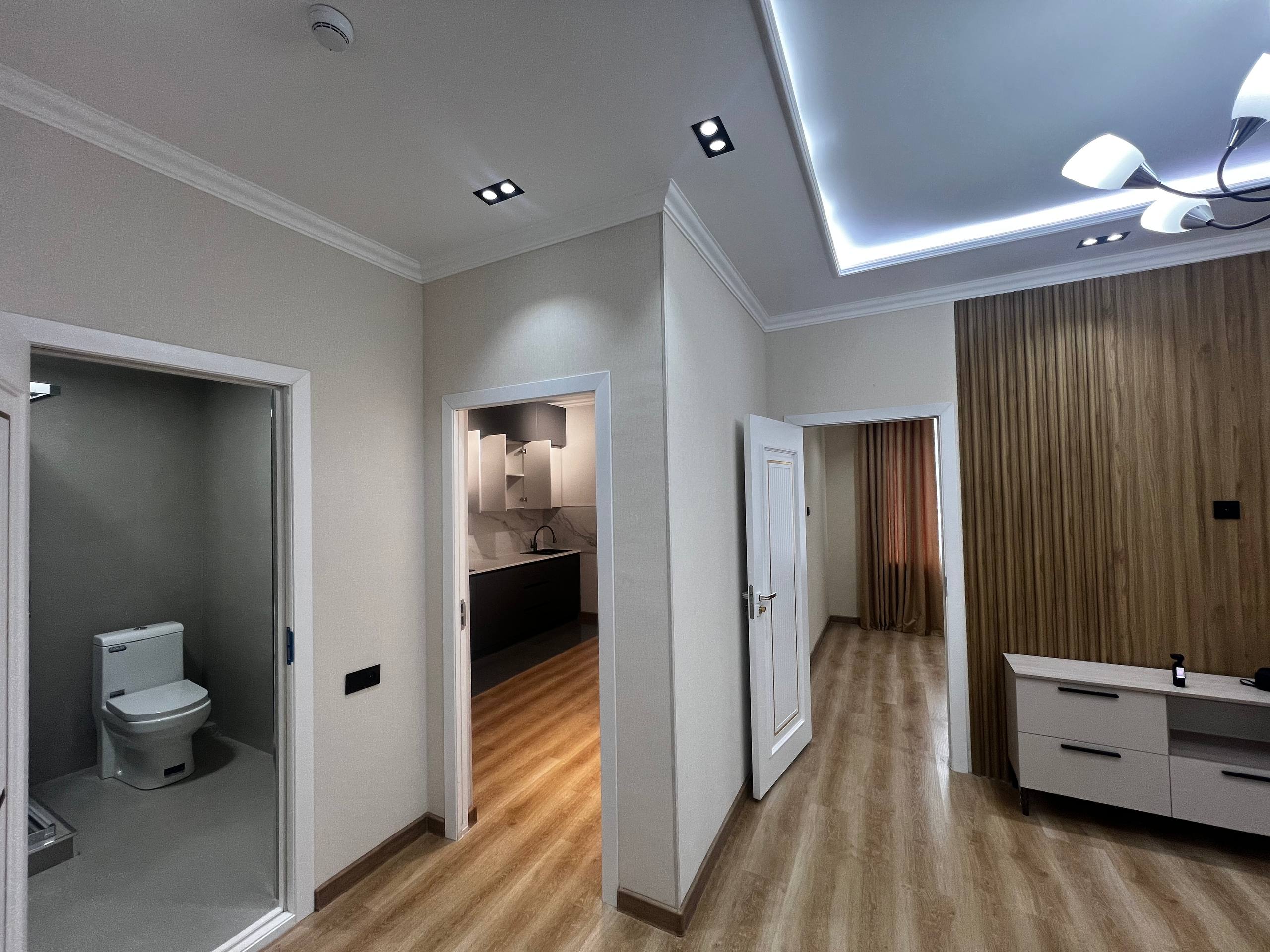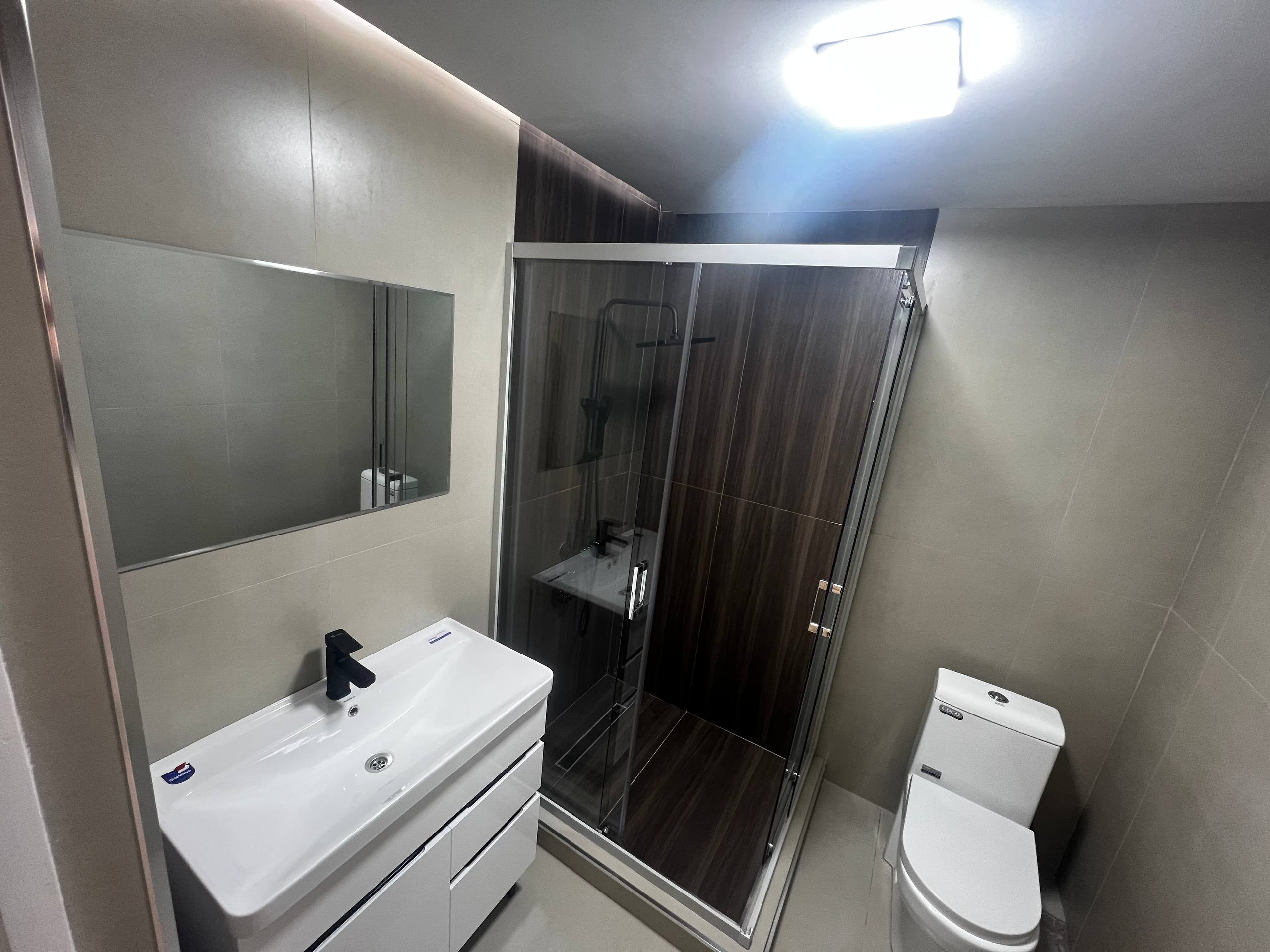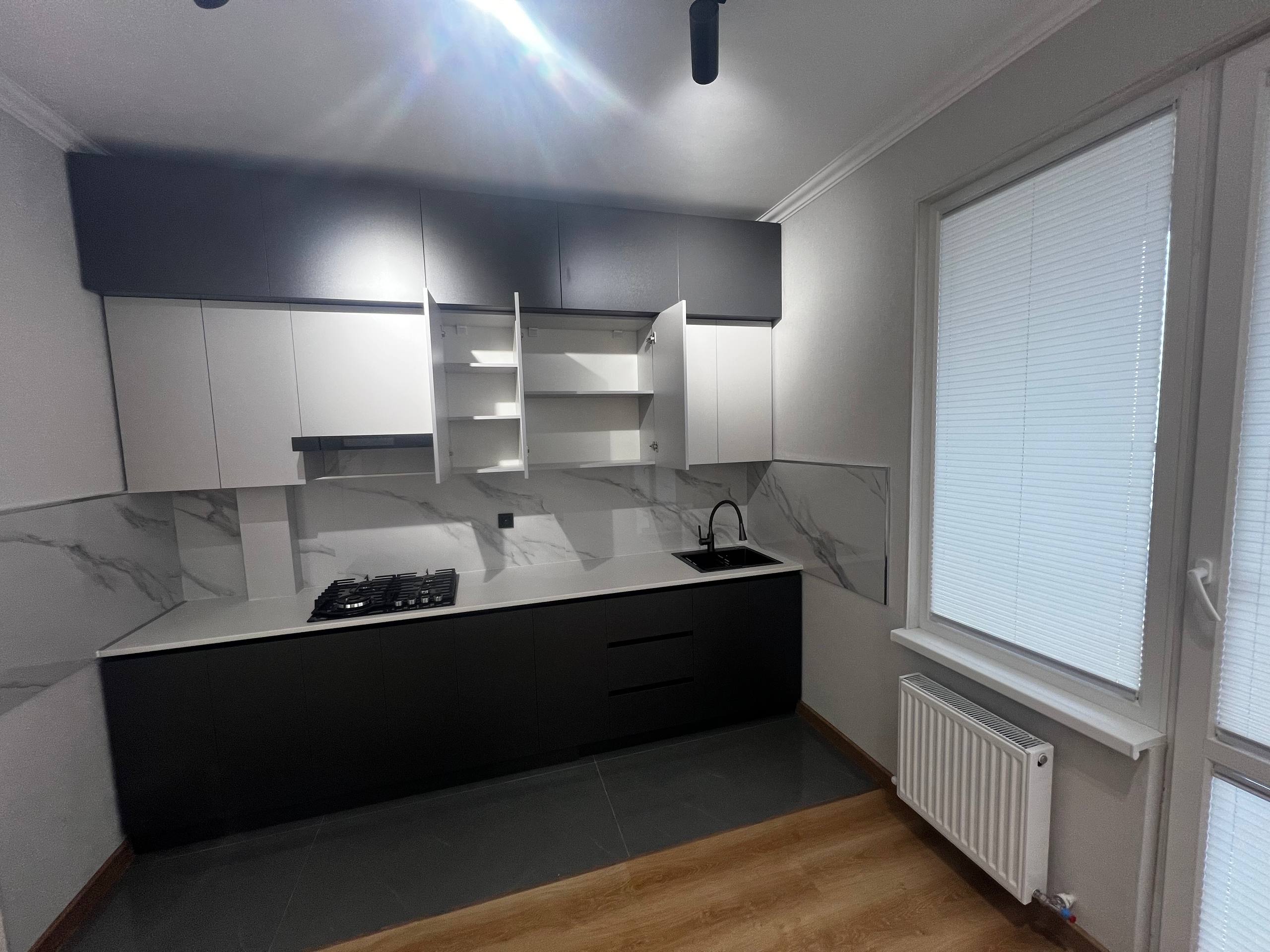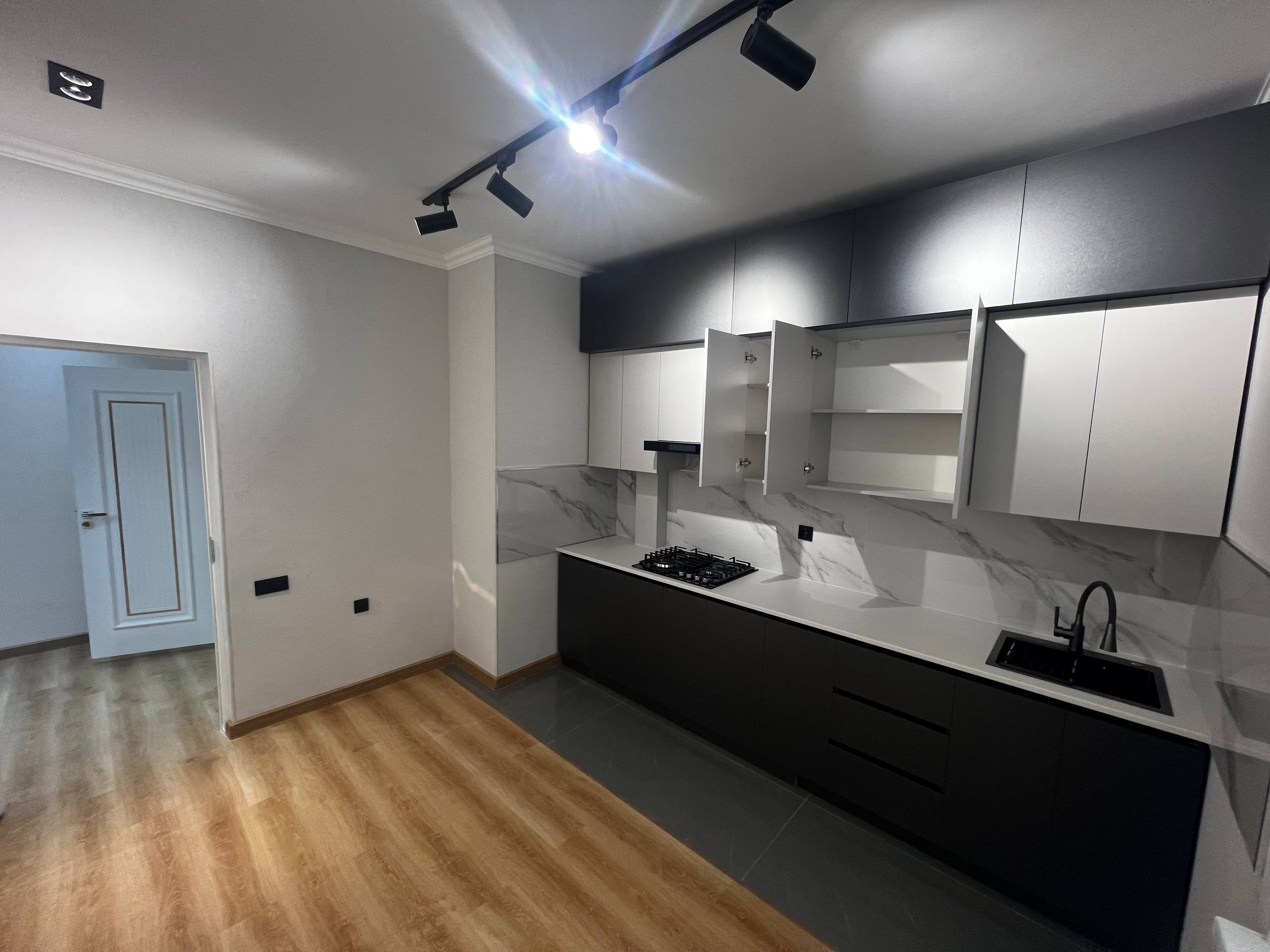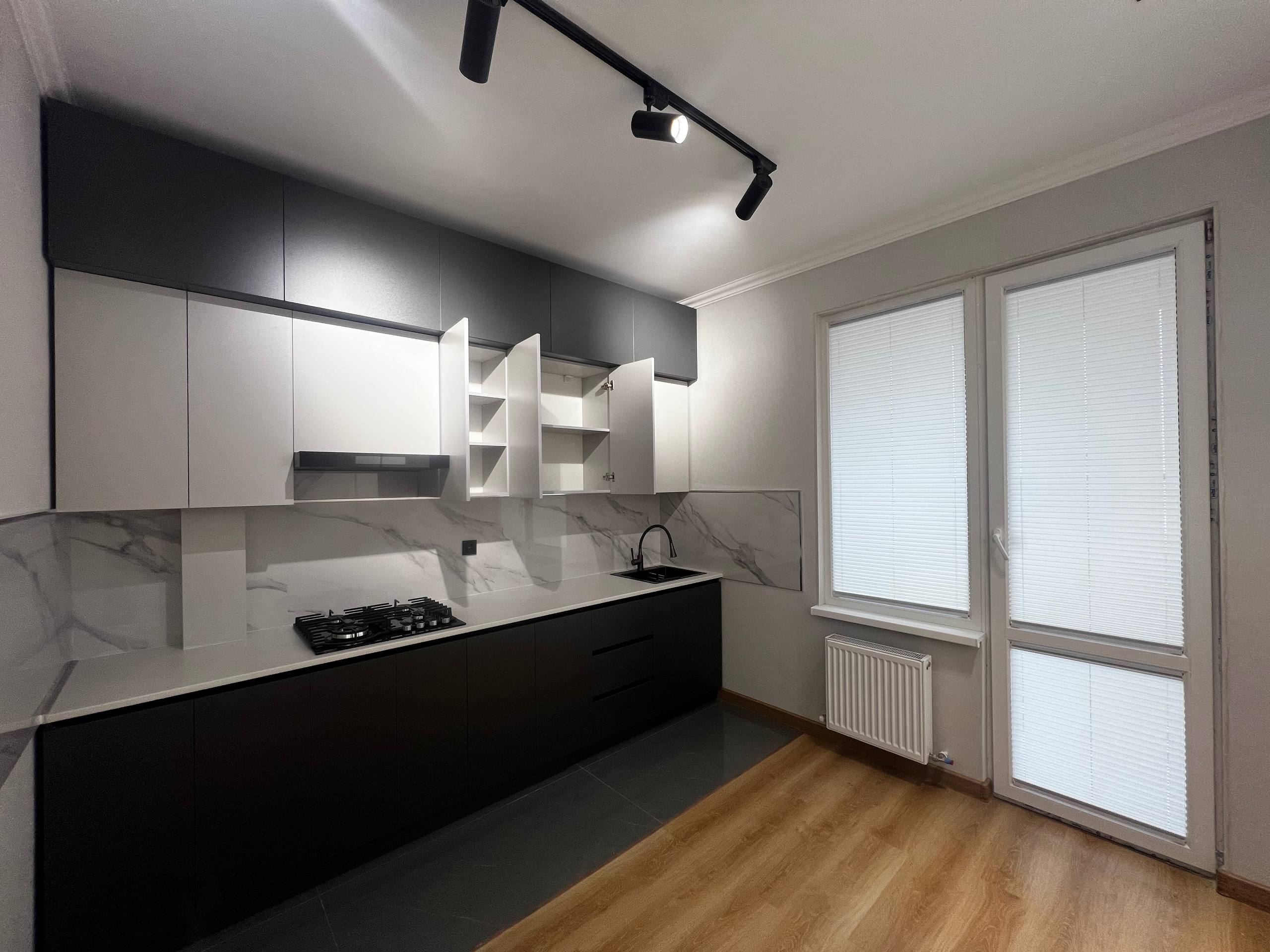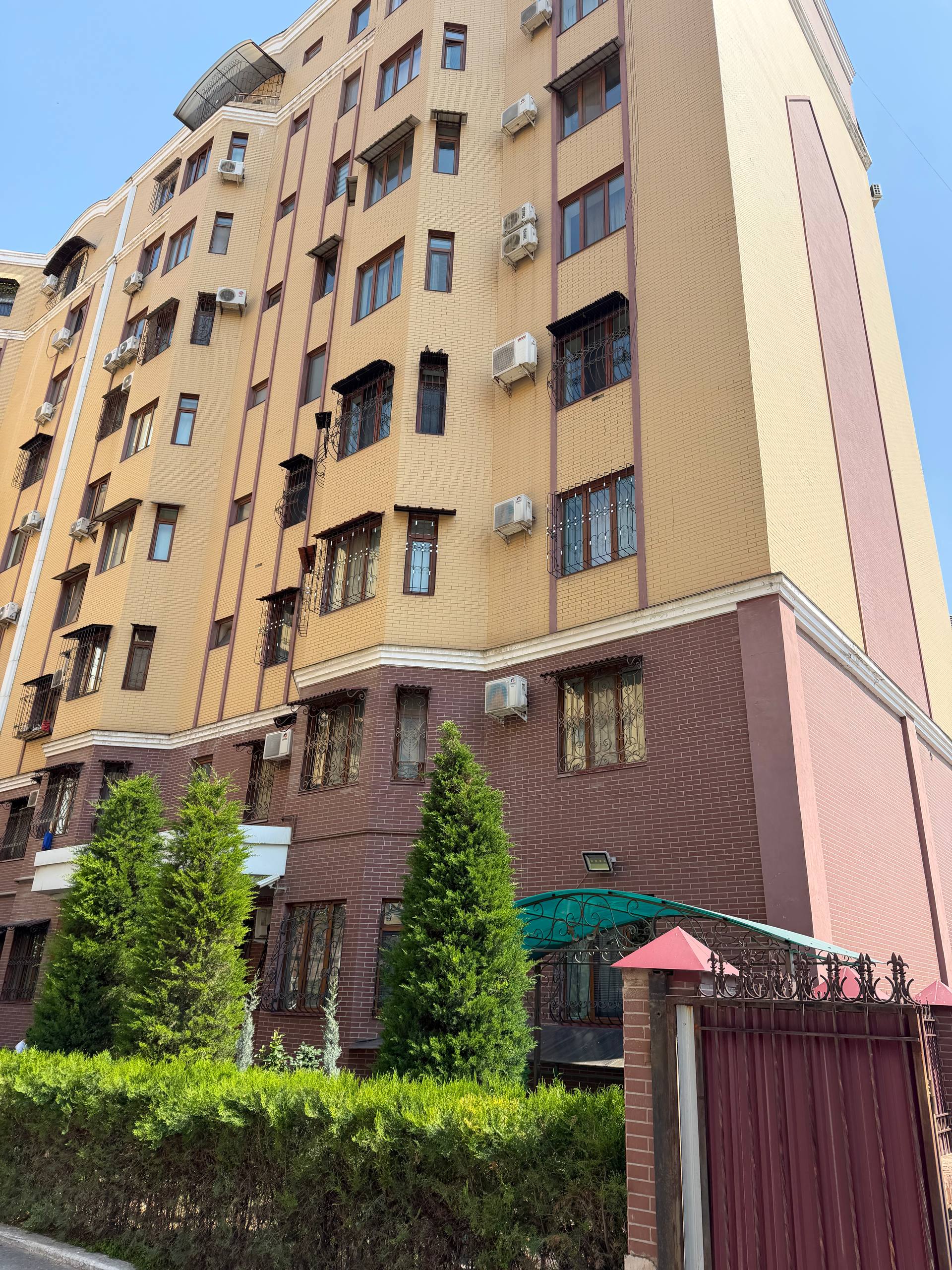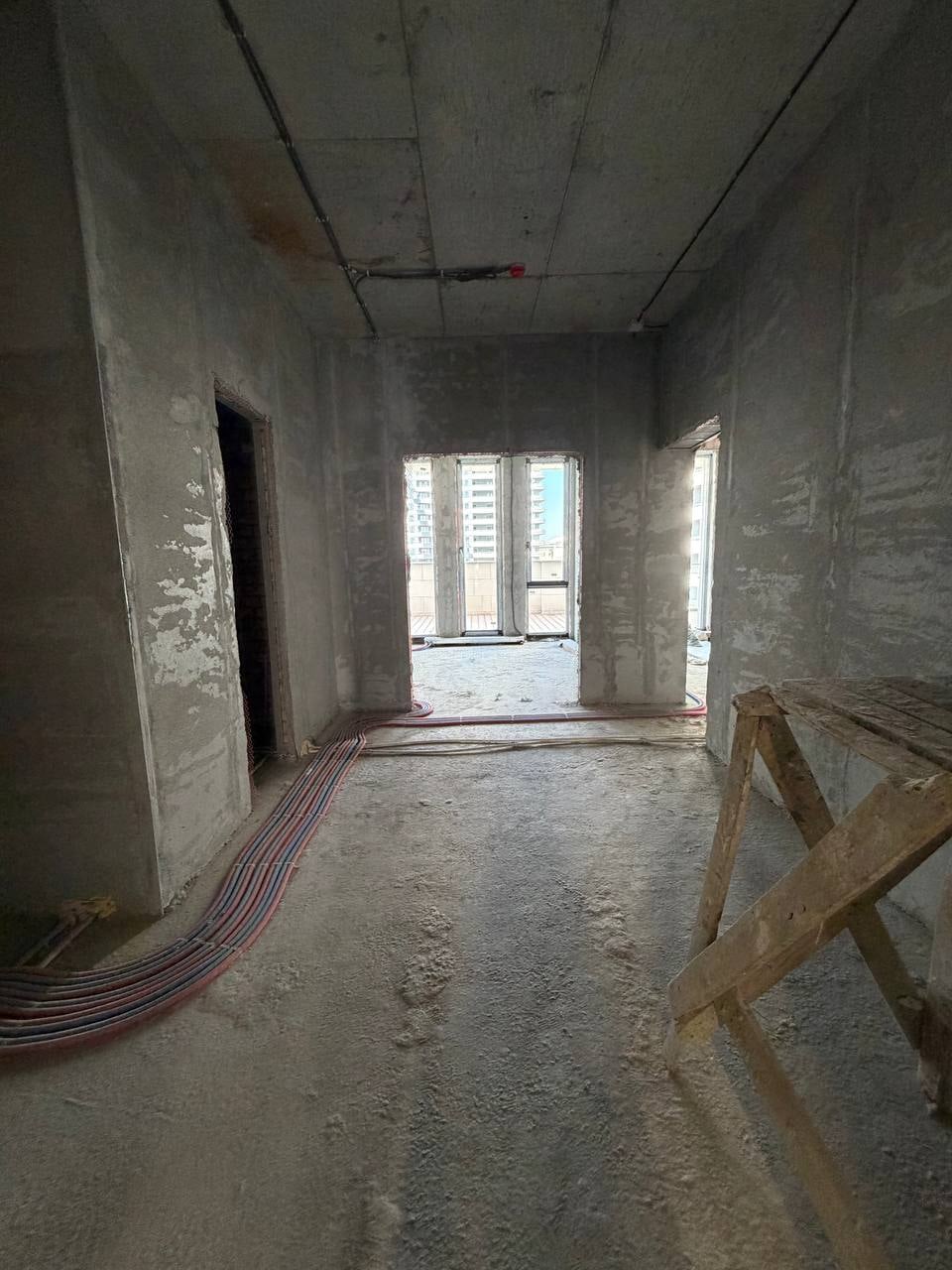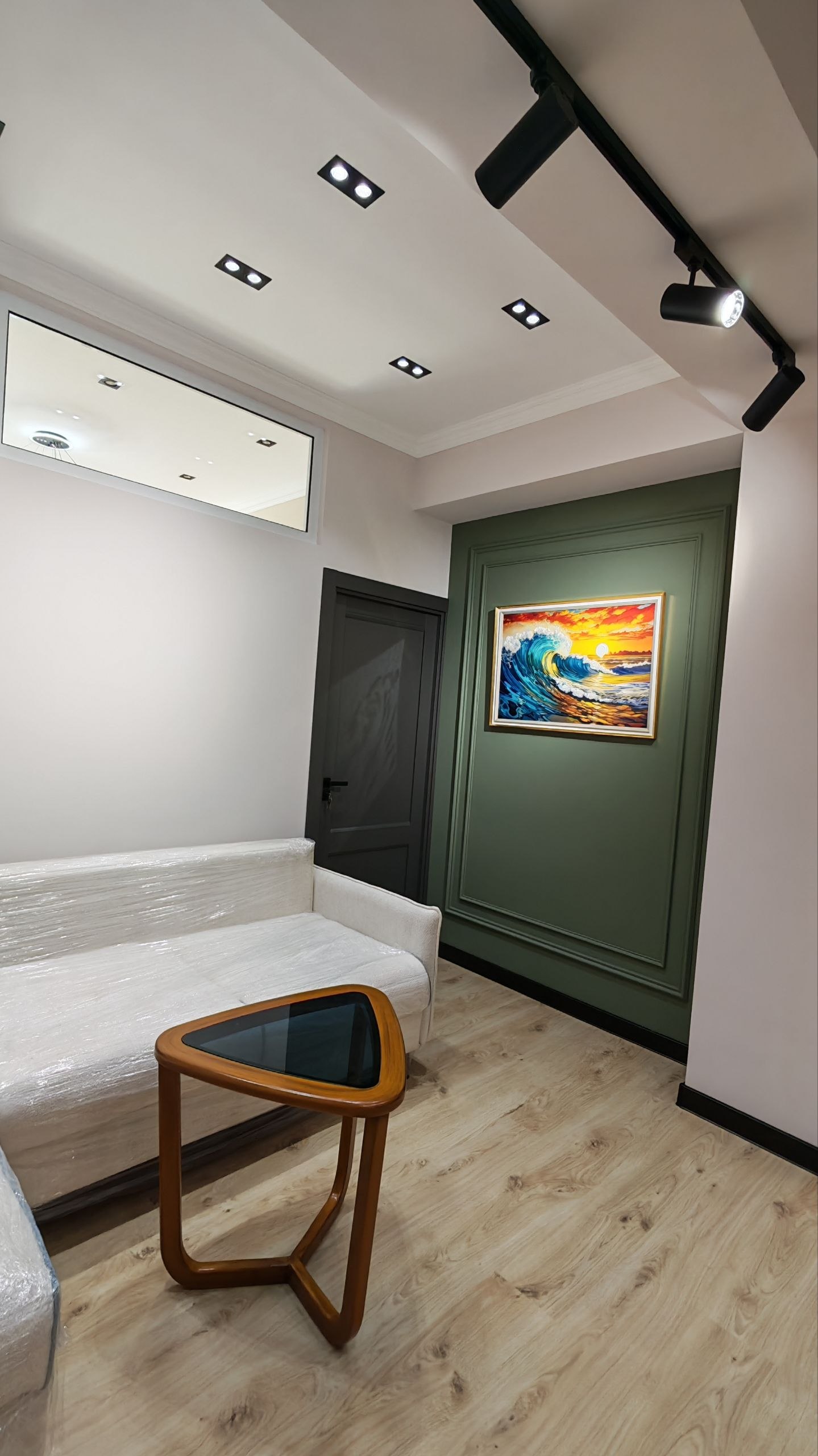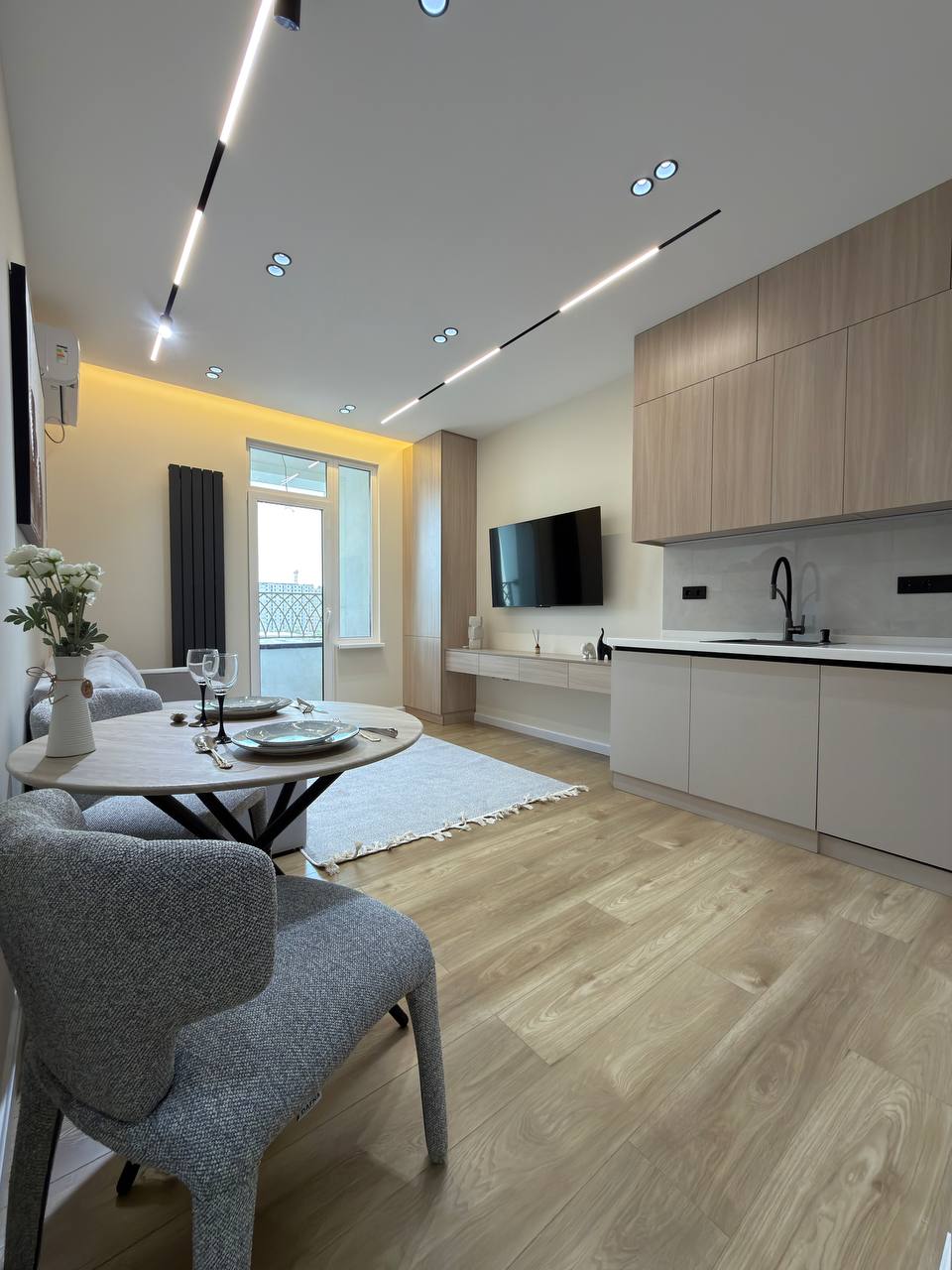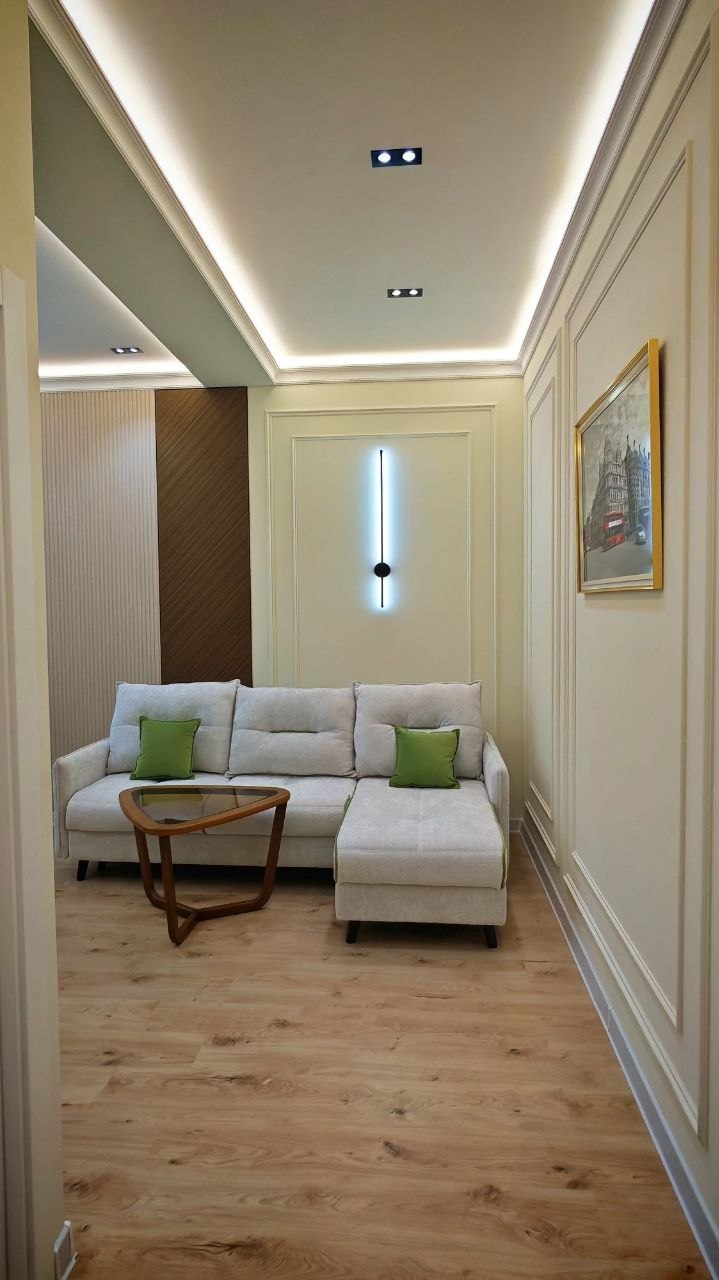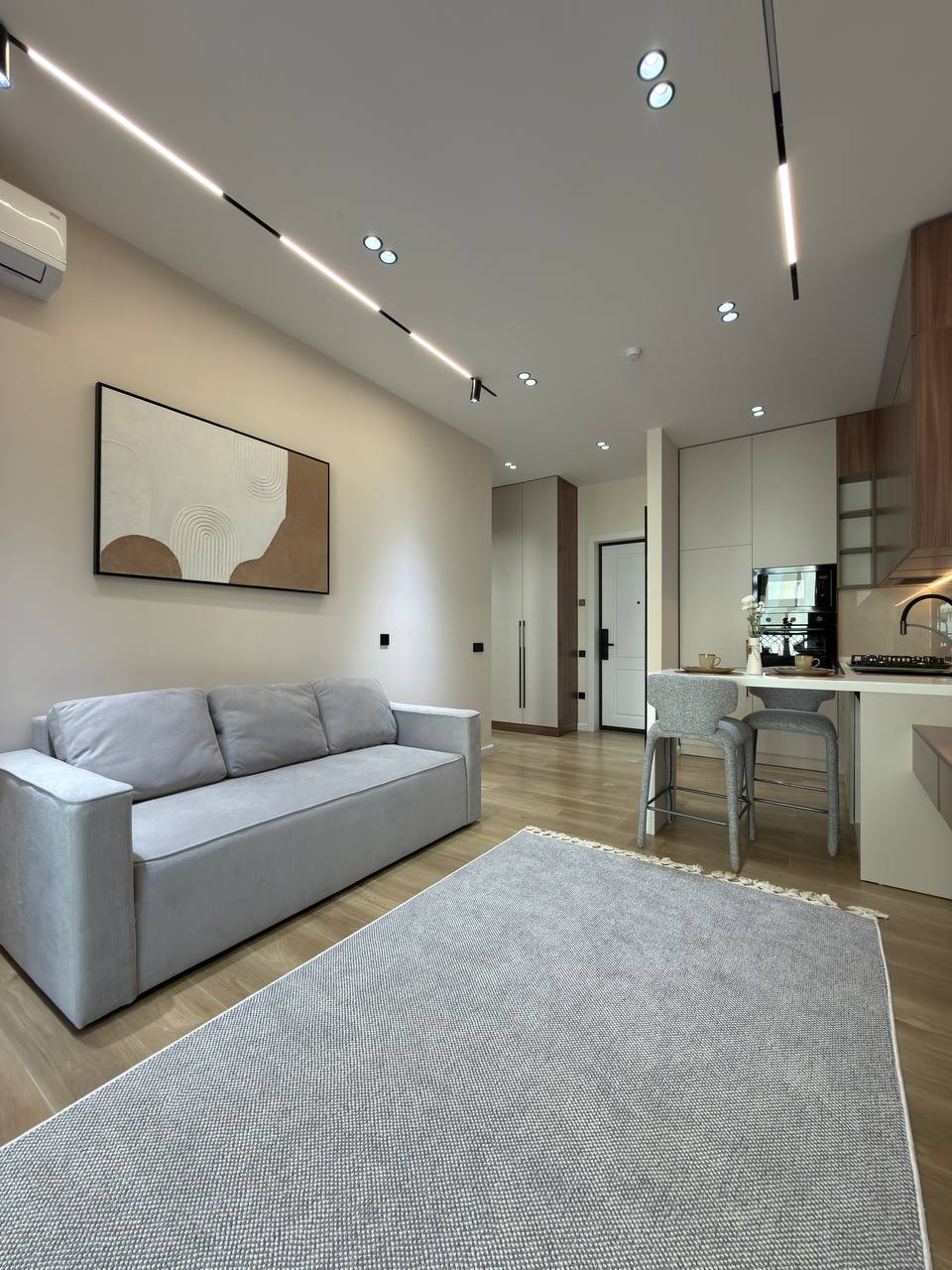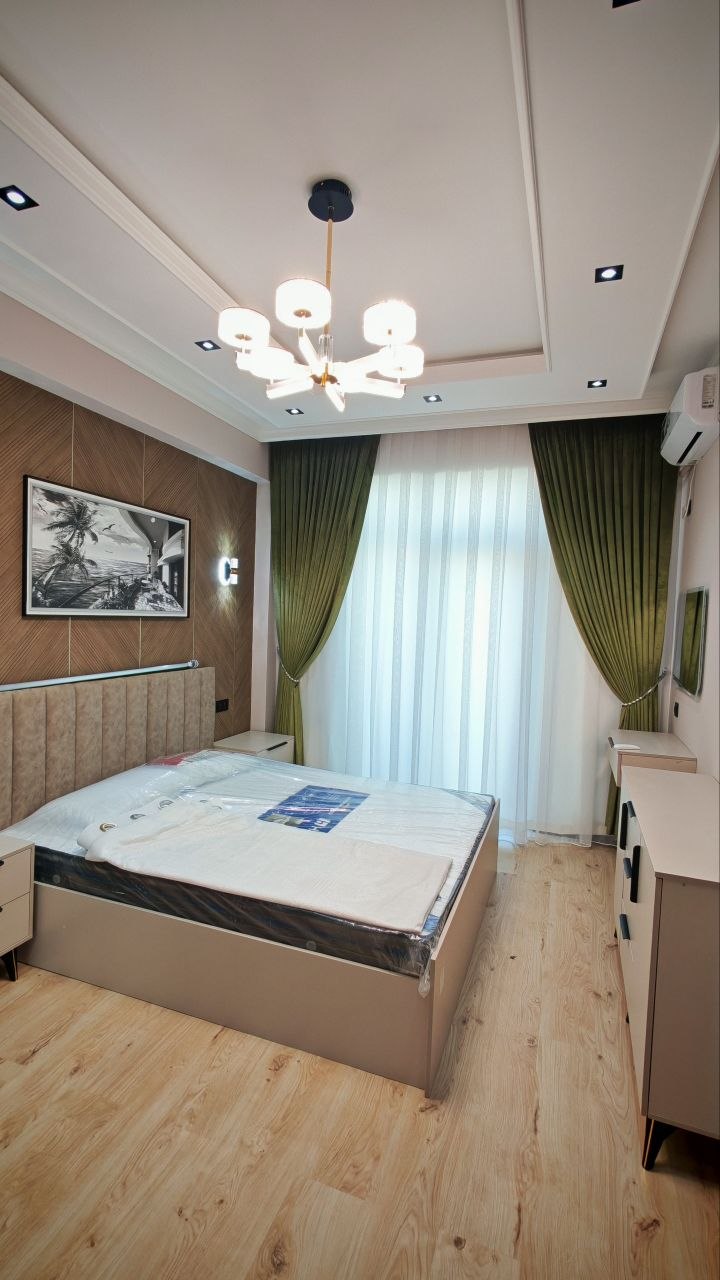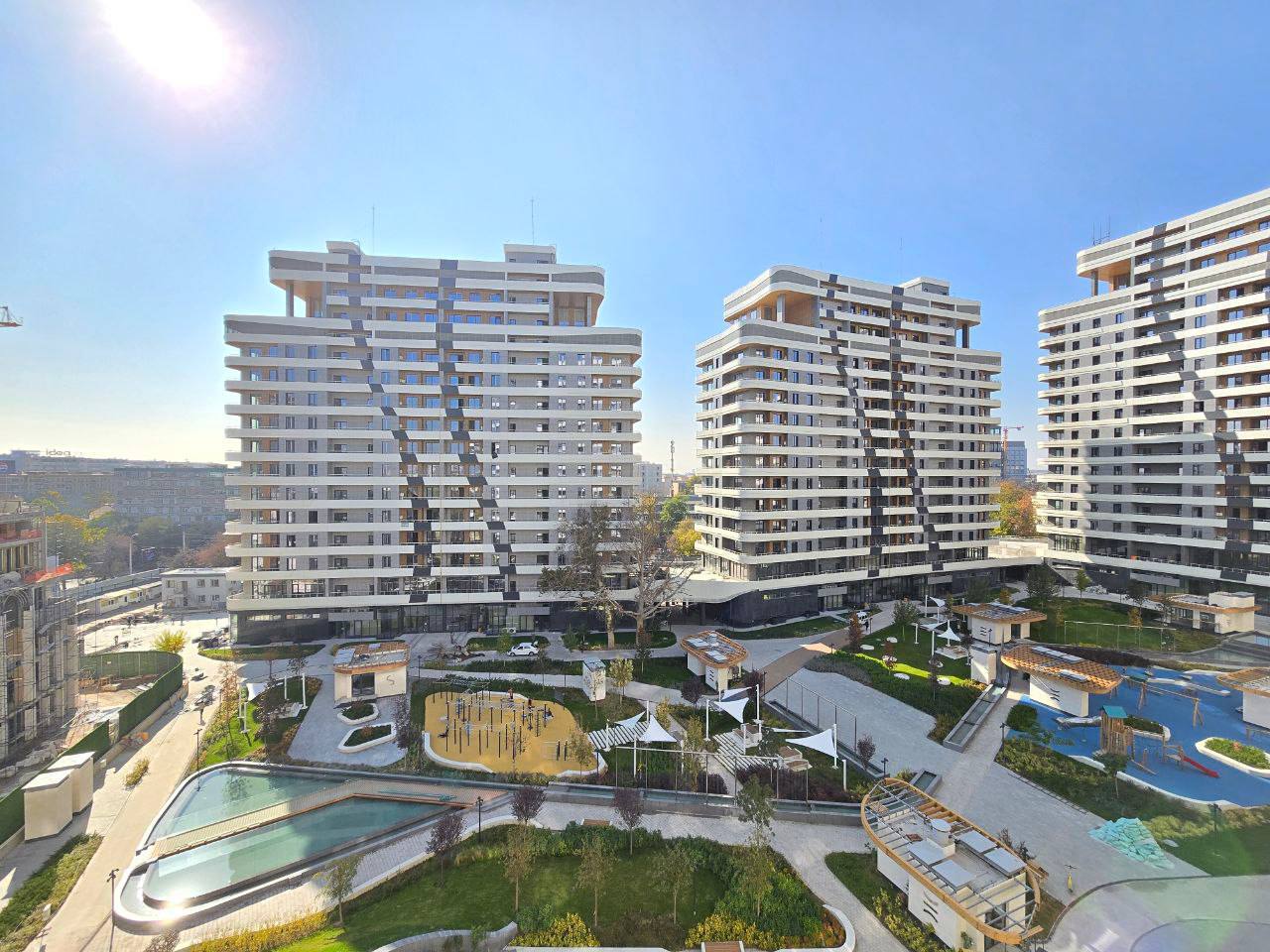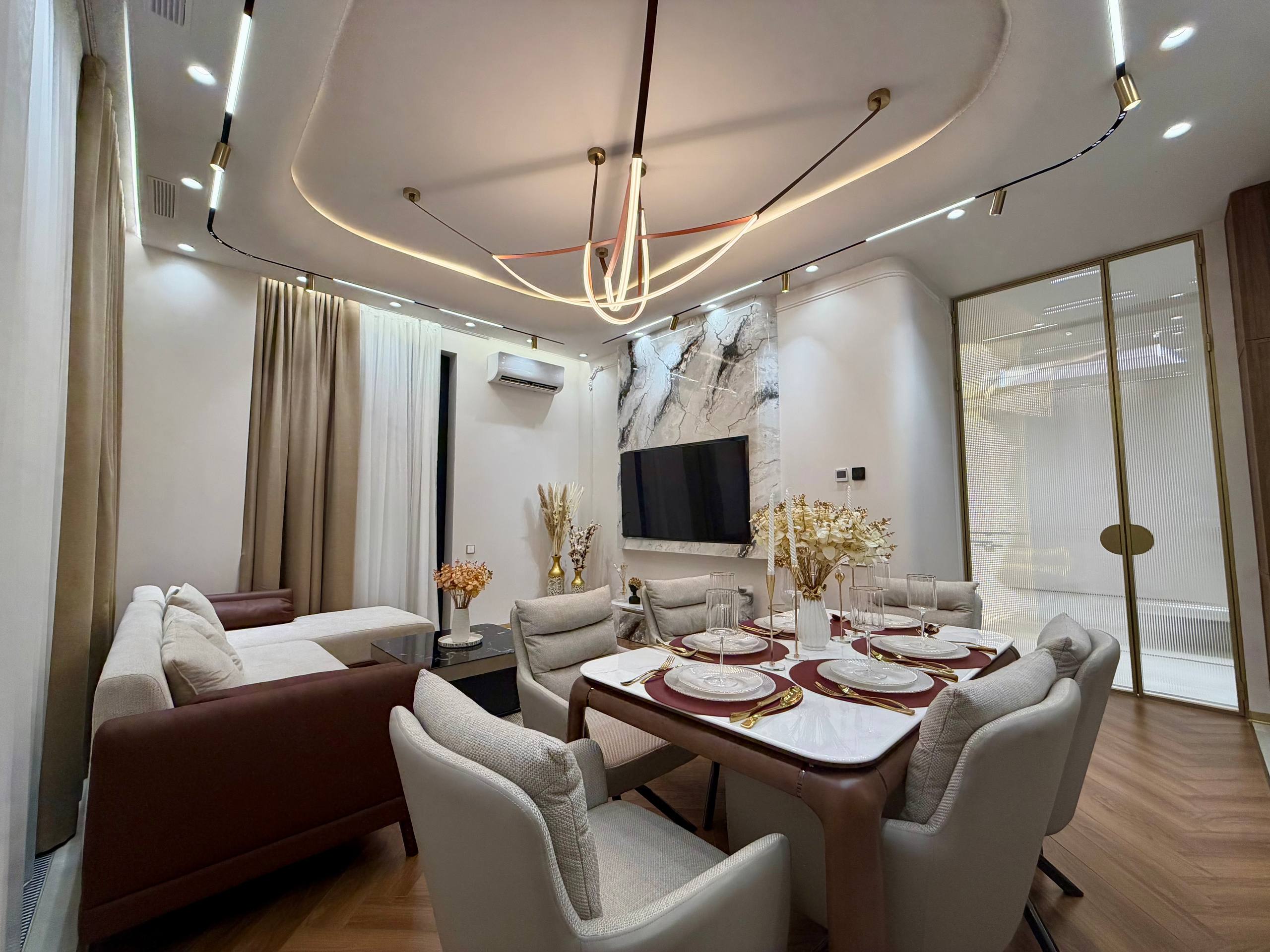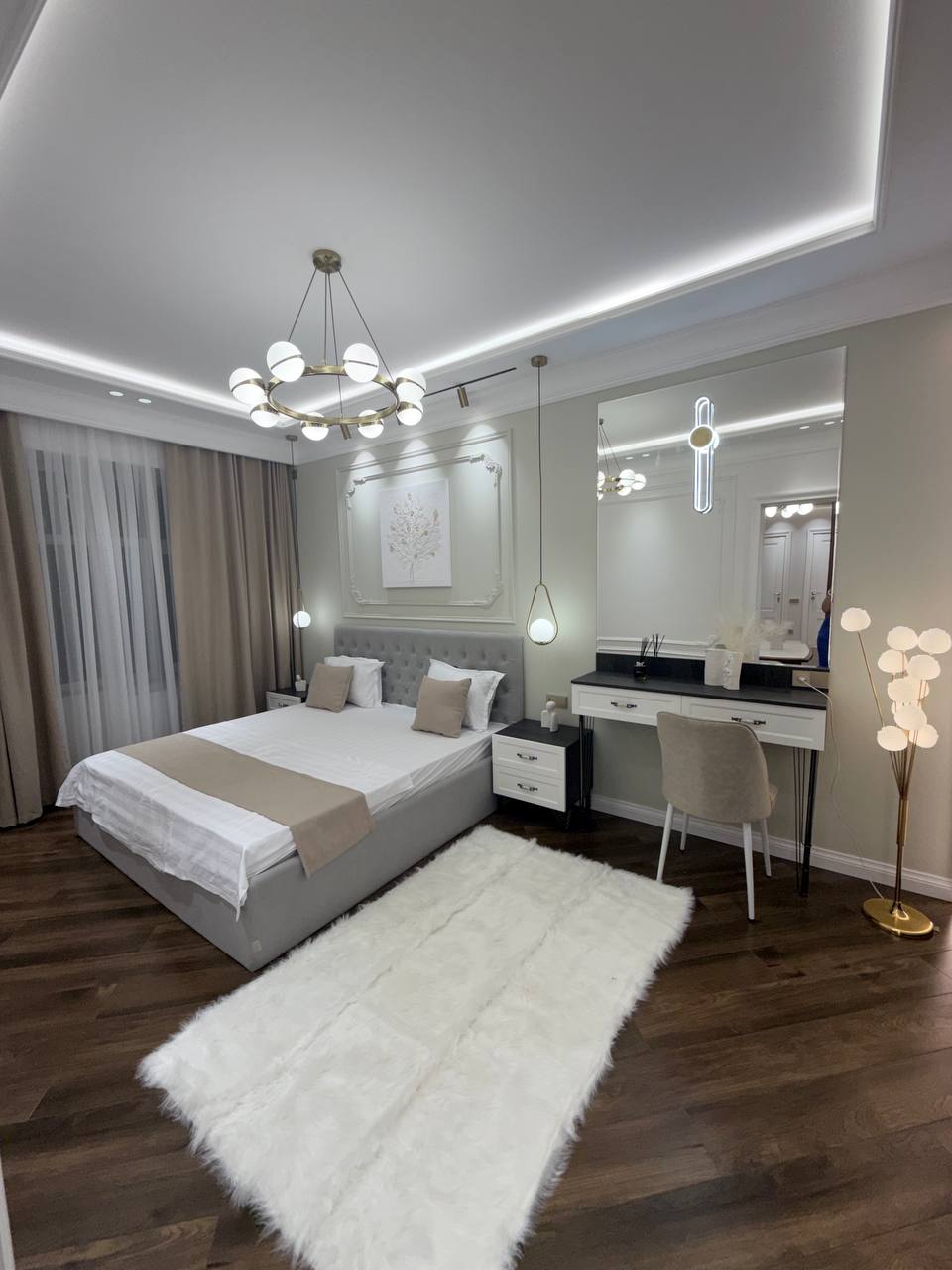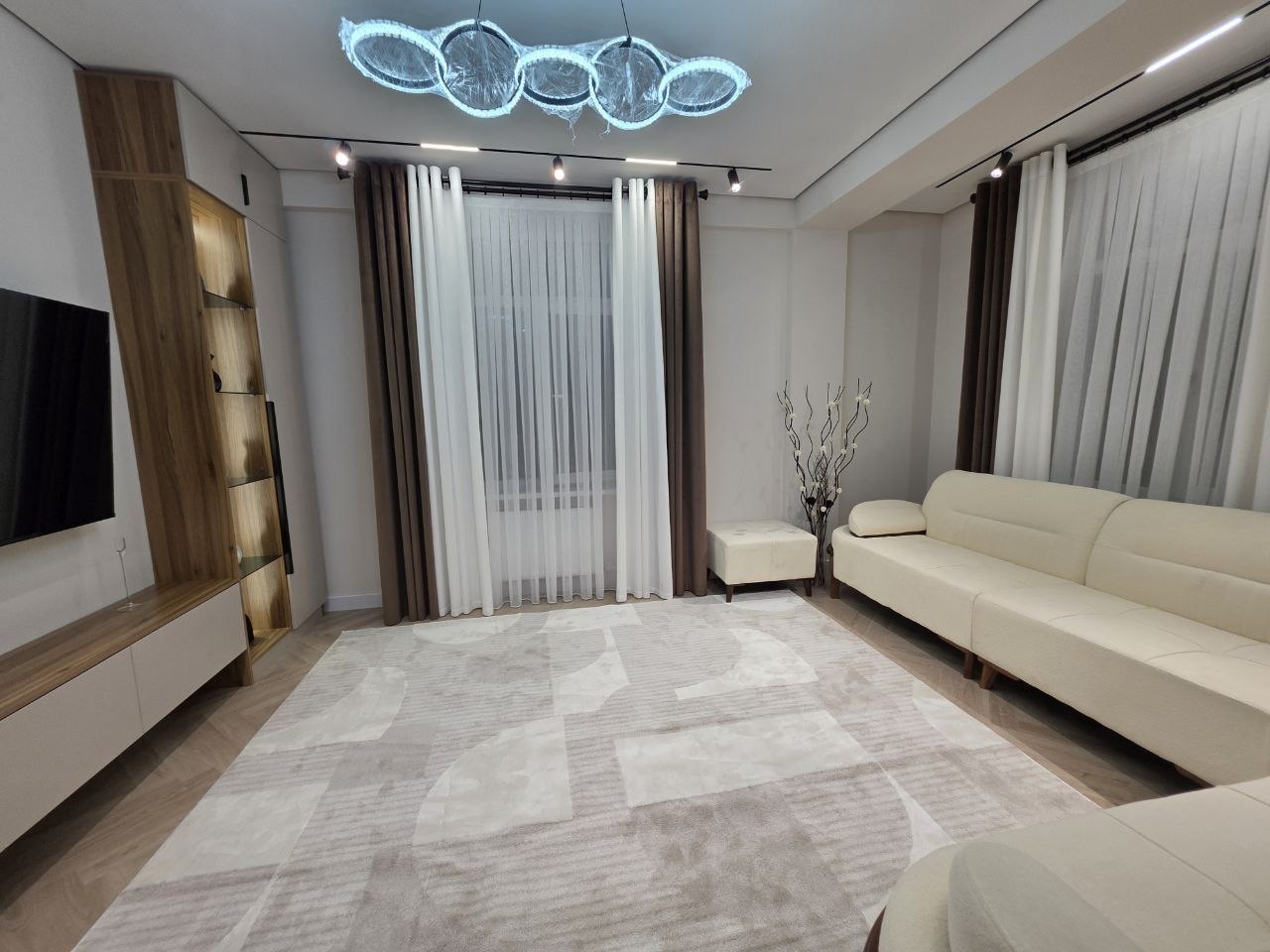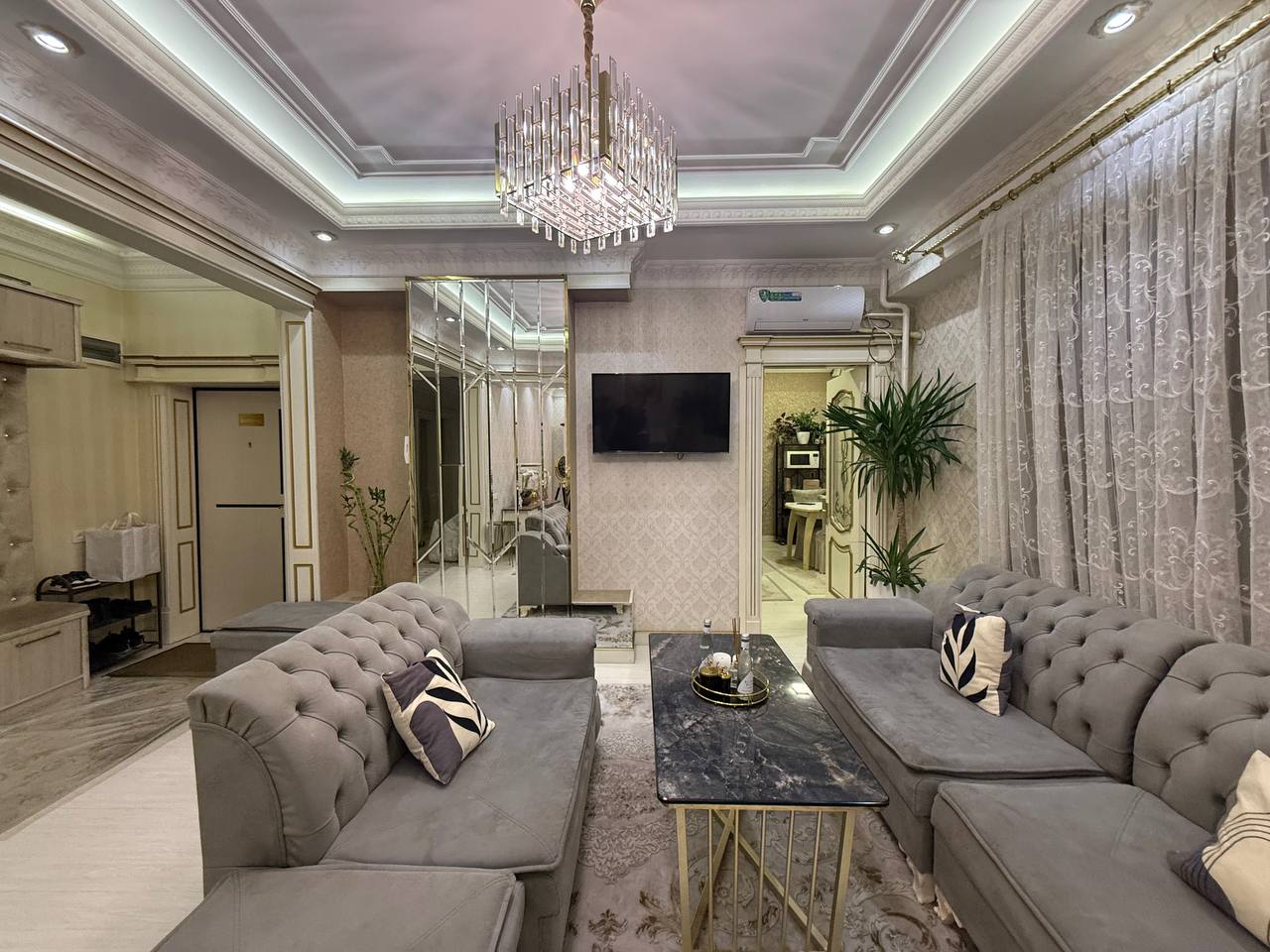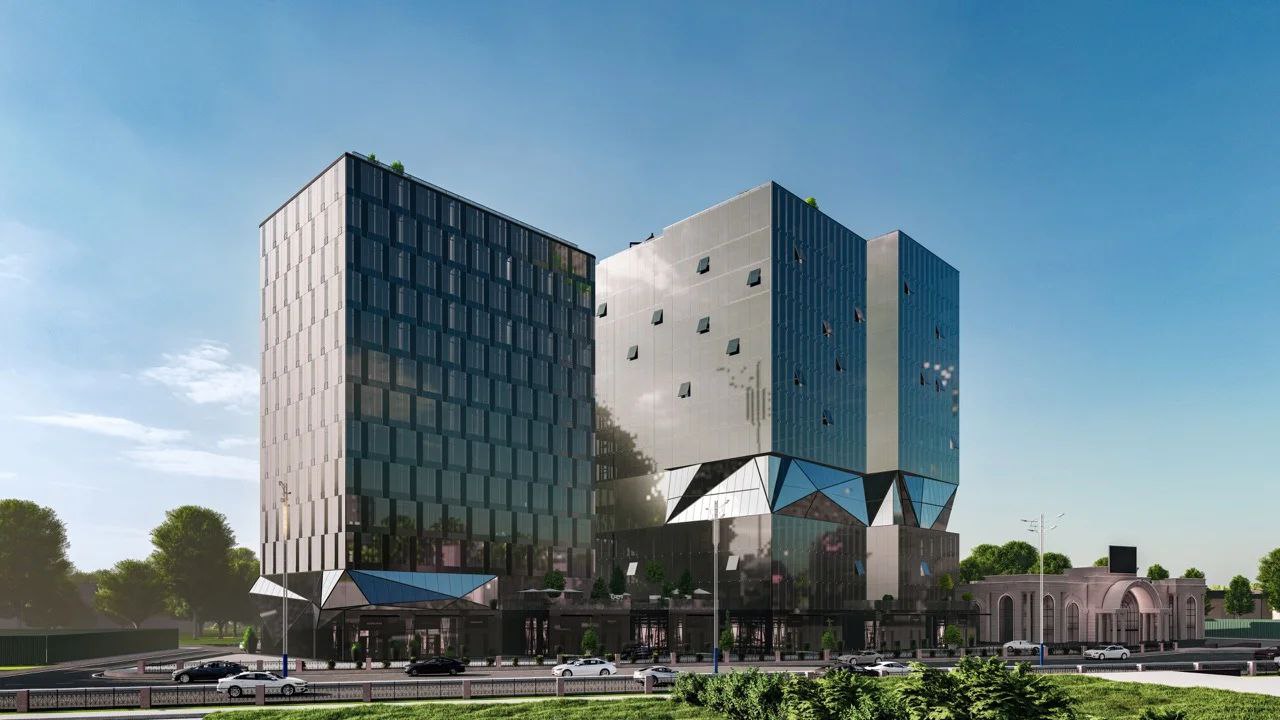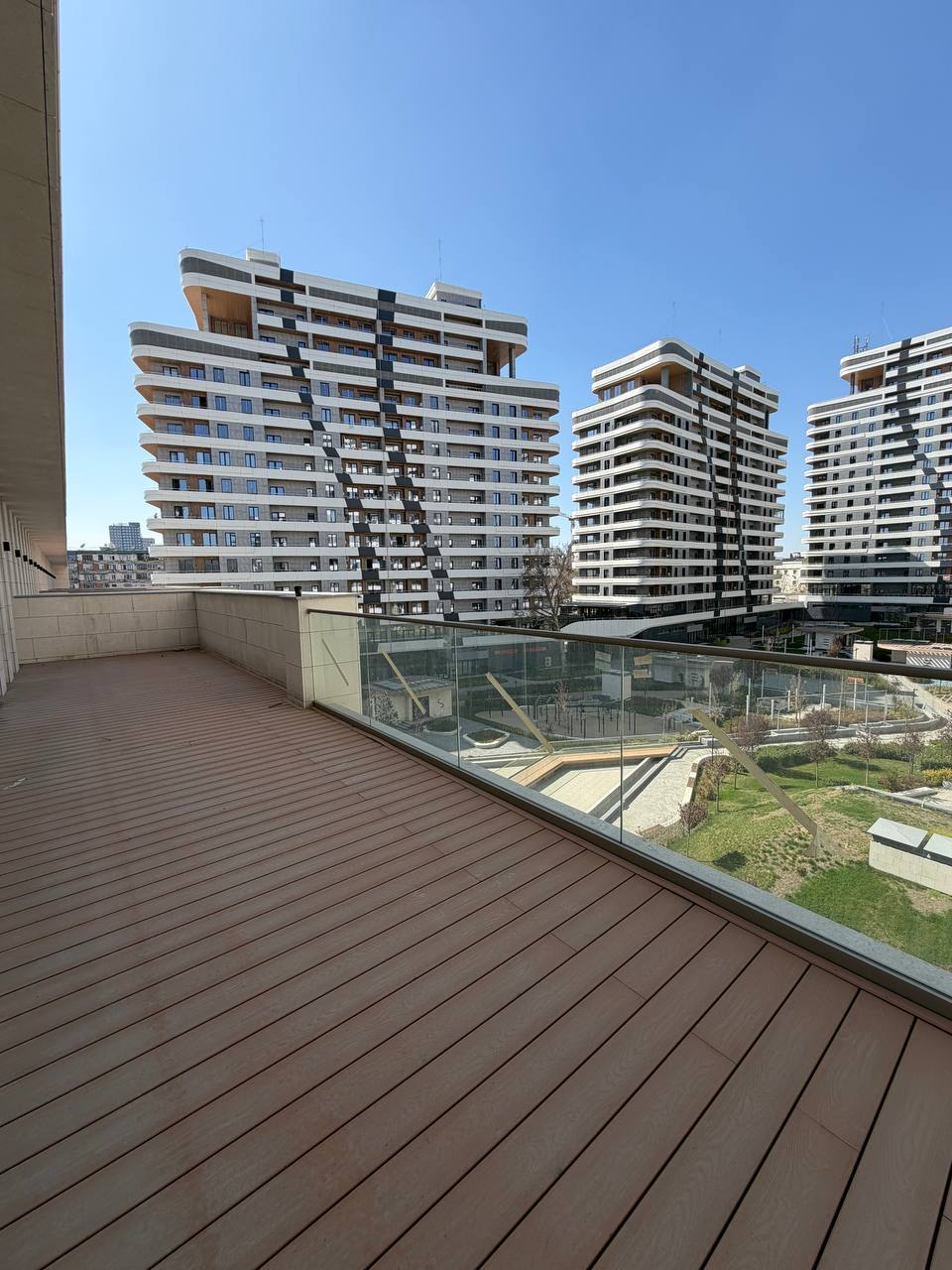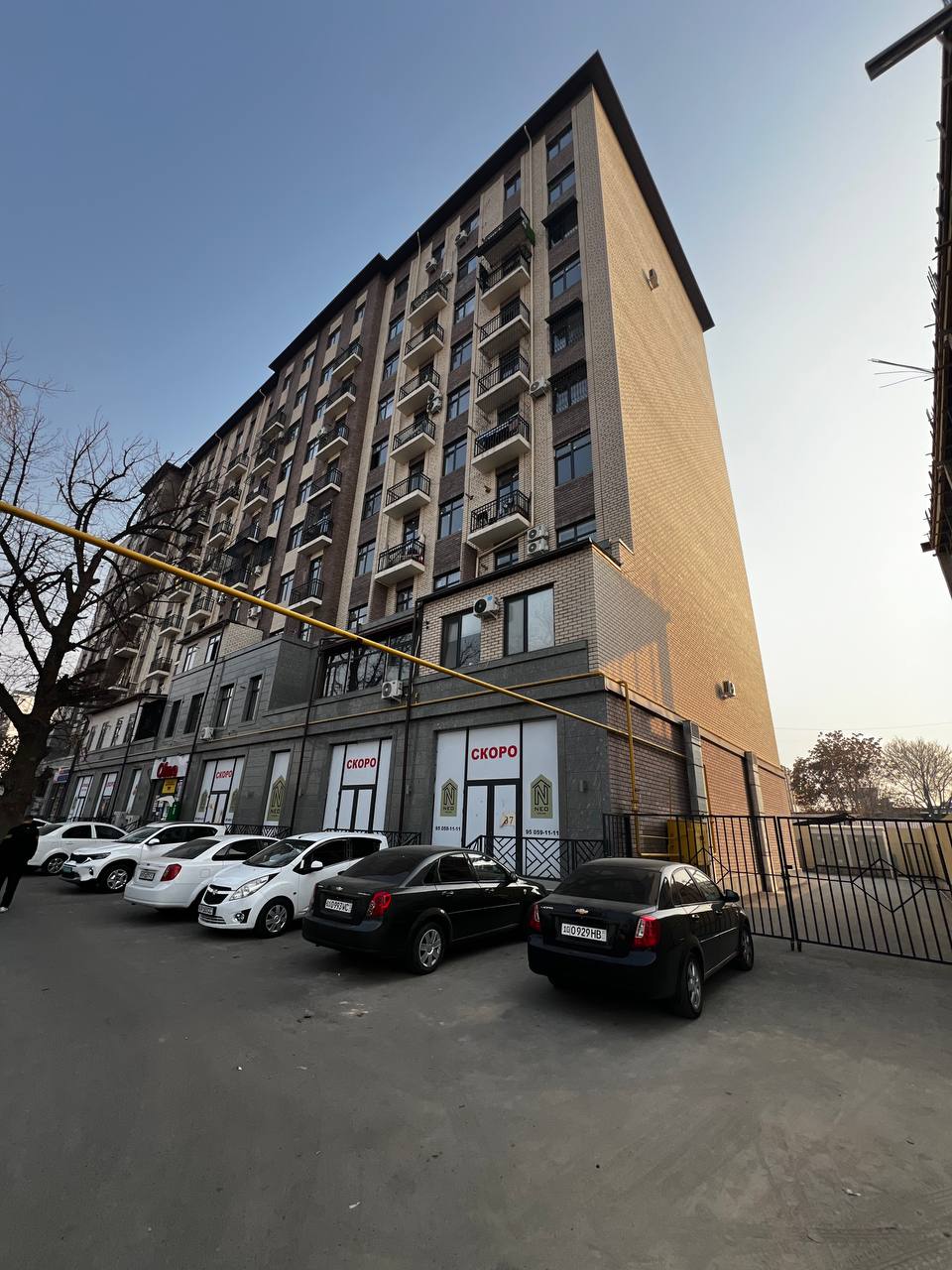
Honestly, in real estate it’s almost never “the prettiest renovation” that wins, but two boring things: location and predictability. That’s why I’m calmly looking at NRG ZAMON and why I like Yashnabad.
1) Where people actually move — that’s where the money goes The market works simply: prices grow where life becomes more convenient. Not “when someone says so,” but when proper roads, transport, shops, schools, and services appear, when the area comes alive and tenants and buyers start gravitating there. Yashnabad is exactly like that right now. It doesn’t look like a “frozen” district — on the contrary, something is constantly being improved and added there. And the most important thing is that demand is moving there. Demand is the air for price. Without demand, any “great apartment” turns into a listing that hangs for months.
2) The metro isn’t a bonus — it’s a reinforced-concrete guarantee of demand I’ll say this directly: 100 meters to the metro is one of the strongest numbers in a listing. Because people don’t buy the metro with their eyes — they buy it with their lifestyle.
- no need to spend money on taxis and fuel
- no need to sit in traffic
- convenient to get to work, school, and errands
- tenants always choose “close to the metro,” even if the apartment is slightly smaller That’s exactly why apartments near the metro are usually easier to rent out and sell faster. This is real investment logic: not hoping for a miracle, but choosing what people will always need.
3) Why NRG specifically (and why “Energy/NRG” sounds like an investment) I’m not going to pretend I’m a brand fan. But in real estate, a developer’s brand isn’t about a “nice logo.” It’s about the buyer on the resale market feeling more at ease: “Oh, NRG… I know it, I’ve seen it, I’ve heard of it, people buy it.”
Large developers usually have: • clear, understandable projects
- decent courtyards and entrances
- more predictable quality
- higher market trust
- and most importantly — it’s easier to resell Because a buyer on the secondary market isn’t buying just square meters — they’re buying confidence that the building is solid and liquid.
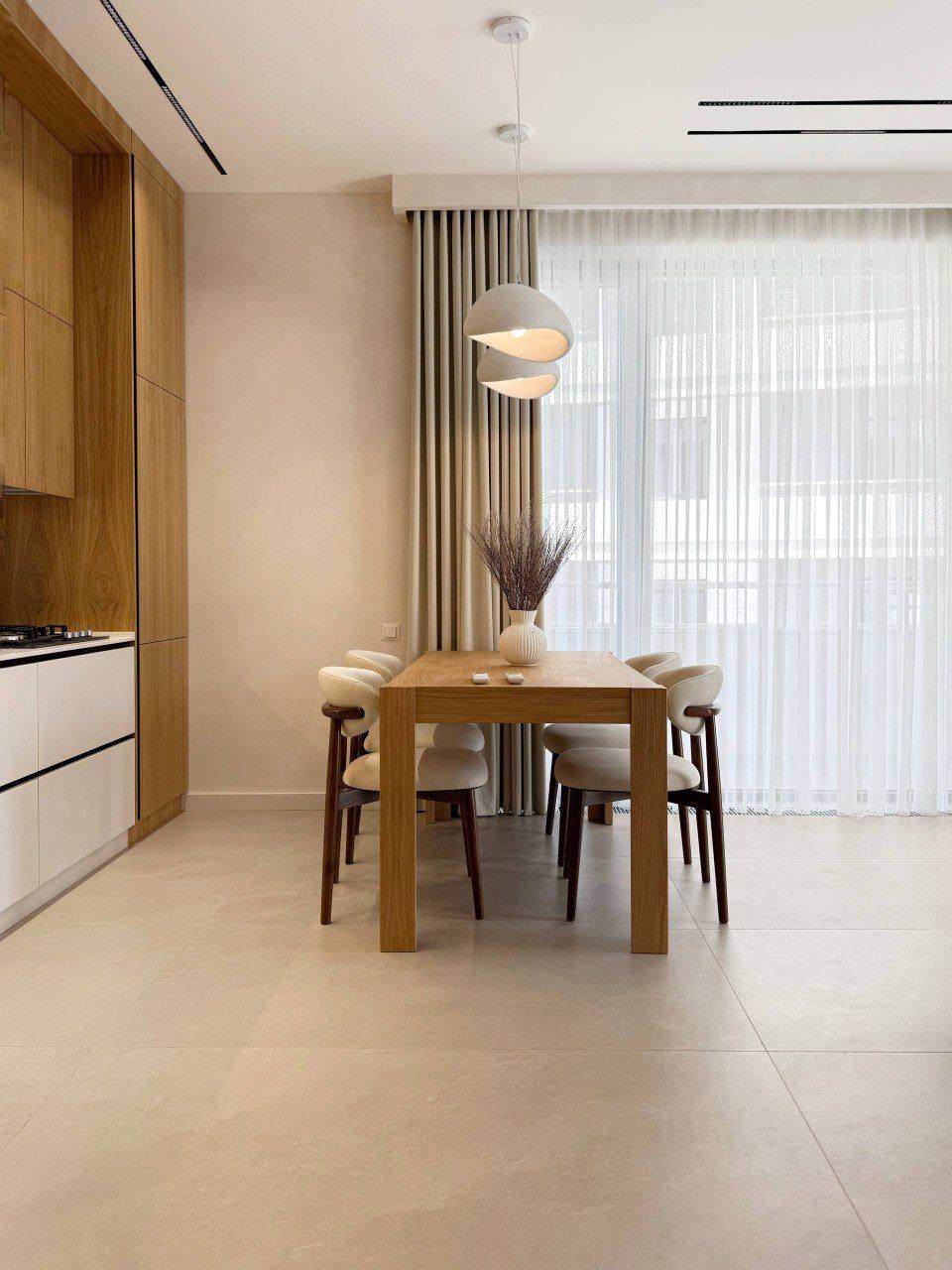
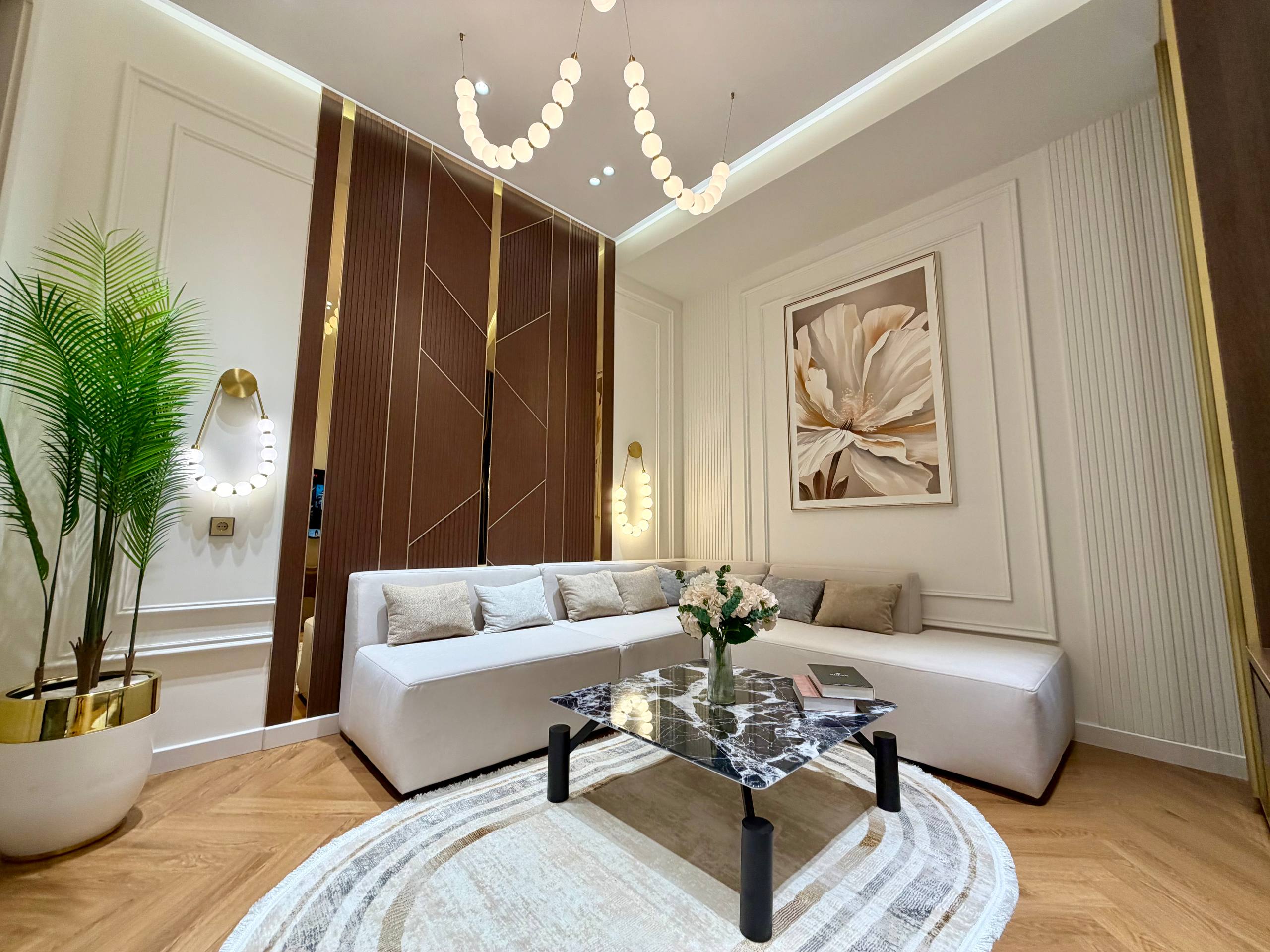
4) Why a 41 m² euro two-room is a smart size Right now, the strongest demand is for small, straightforward apartments. A euro two-room is the ideal format for two types of people:
1. those buying for themselves: a young couple, a single person, “first home”
2. those buying for rent: because it’s the most in-demand format Big apartments are great, but they take longer to sell. Smaller floor area is like a “fast-moving product”: it’s easier to rent out, easier to sell, and easier to “turn into cash” if you need to.
5) “The city is growing toward the mountains” — what it means in practice I get that it sounds like a casual phrase. But the meaning is clear: the city is stretching toward where new construction is happening, where new neighborhoods and infrastructure are appearing, where people want to live “with a future in mind.” What matters isn’t the direction on the map, but what’s happening around it: new roads, new complexes, new jobs, new services. And in that sense, Yashnabad looks alive. Not “yesterday’s,” but one that is gradually gaining value.
6) The main reason this looks like a good investment
An investment is not “buy and pray.” An investment is when a property has: • a clear tenant audience
- a clear buyer audience
- a strong location trigger (metro)
- and a “solid” building (a modern residential complex, a good environment) NRG ZAMON in Yashnabad near the metro is exactly about that. There’s less guesswork here. Even if the market slows down, these apartments usually hold up better, because people still want to live conveniently.
7) What I would check before buying (in plain terms)
To avoid surprises, I would do three things:
1. Review the documents and the building’s legal status
2. Assess how many similar apartments are for sale nearby and at what prices 3. Estimate the rental: what it can realistically be rented for and how much will be “net” after expenses It’s not romantic, but this is exactly what makes the purchase an investment rather than an emotional decision.